
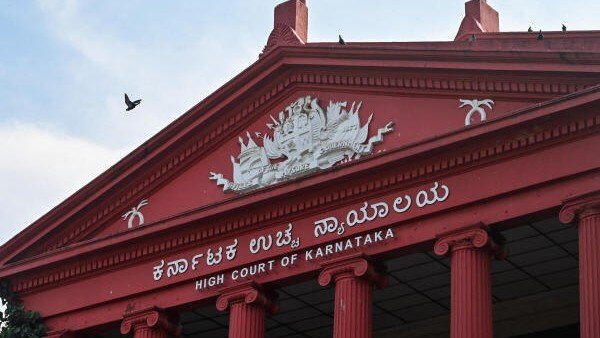

The Karnataka High Court on Monday dismissed the anticipatory bail plea of suspended Karnataka Public Service Commission chairman Sahukar S Shivashankarappa in connection with alleged large-scale irregularities in the recruitment examination for veterinary doctors. A single-judge bench headed by Justice Vishwajith Shetty observed that systematic fraud in recruitment examinations has eroded public confidence in the system, noting that the prima facie material produced before the court necessitated a comprehensive investigation into the suspended chairman’s alleged role. Refusing to exercise discretionary powers to grant pre-arrest protection, the bench stated that the matter pointed to a wider organized network rather than isolated malpractice by individual candidates.
The ruling follows the earlier rejection of Shivashankarappa’s bail petition by a sessions court on August 11. While defense counsel argued that the criminal proceedings were politically motivated, the High Court declined to accept the submission as valid grounds for relief, underscoring that Shivashankarappa’s alleged involvement appeared far more serious than that of candidates accused of cheating. The court also took note of prosecution material suggesting potential links between Shivashankarappa, his family members, the commission’s examination controller, and intermediaries operating the racket.
Paper Leaks and Training at Secret Locations
The probe centers on the recruitment examination for 400 veterinary officers conducted on January 8 and 9, 2026, which saw 329 candidates appear. Investigators allege that 29 candidates secured fraudulent selection through an organized syndicate that collected up to ₹80 lakh per aspirant. The case originated from a complaint filed with the Bengaluru Police by an unsuccessful veterinary doctor, after which the Crime Investigation Department took over the investigation.
According to CID findings, intermediaries accommodated selected candidates at hotels, resorts, and undisclosed locations on the eve of the examination. The candidates were supplied with handwritten and printed versions of question papers and trained on how to answer them before being transported directly to their respective test centers. Financial transactions tied to the racket were routed through cash payments and bank transfers, with investigators identifying several cooperative bank accounts in Karnataka’s Bidar district linked to arrested middleman Basavaraj Kannale.
Call Records Link Top Officials to Middleman
State investigators submitted internet call records to the High Court indicating frequent, encrypted communication between Shivashankarappa, KPSC examination controller Gyanendra Kumar, and Kannale. The prosecution noted that significant contact occurred specifically on January 8 and 9, coinciding with the examination dates.
The digital trail also reportedly revealed communication involving Shivashankarappa’s son, the arrested middleman, and two candidates participating in the selection process. Although Shivashankarappa has maintained his innocence throughout three rounds of interrogation, the CID informed the bench that technical records and documentary evidence gathered so far link him directly to the recruitment network.
Growing Scrutiny Over Recruitment Irregularities
The denial of anticipatory bail compounds the legal troubles facing Shivashankarappa, who was suspended by the Governor on August 25 over a separate controversy involving the recruitment of his daughter as an industrial extension officer. In that case, allegations surfaced regarding the use of a fraudulent income certificate citing an annual household income of ₹40,000 to facilitate her selection.
With the High Court turning down his plea, investigators can pursue custodial interrogation without the constraint of interim relief. The ongoing CID probe continues to examine the full scope of institutional involvement, financial trails, and external intermediaries behind the compromised recruitment drive.
