

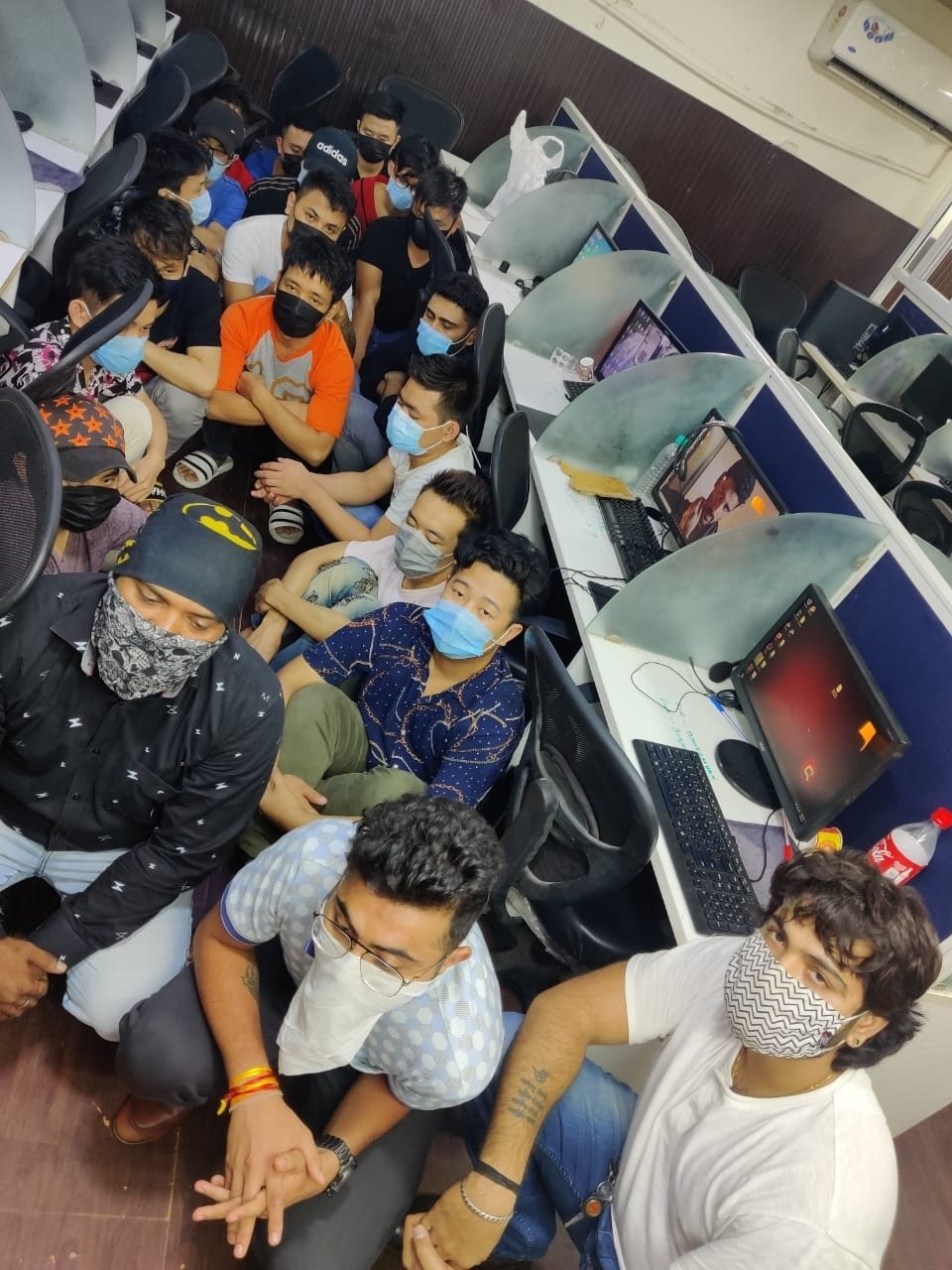

In a decisive strike against the burgeoning digital underworld, the Kanpur police have dismantled a sophisticated cyber fraud syndicate operating out of Rathi village in Reuna. The operation, now widely described as the exposure of a “mini Jamtara,” resulted in the arrest of 20 individuals who are alleged to have defrauded over 4,000 victims across the Indian subcontinent. Police Commissioner Raghubir Lal noted that the gang, primarily composed of school dropouts, utilized a unique “cottage industry” model, running large-scale scams from makeshift tents in orchards and fields to blend into the pastoral landscape.
From Textile Mills to Digital Extortion
The syndicate’s origins reveal a troubling trend of specialized criminal migration. Investigators traced the group’s beginnings to several local youths who had previously migrated to Tamil Nadu to work in cotton thread mills for modest daily wages. While stationed there, these individuals reportedly came into contact with seasoned cyber criminals, learning the technical and psychological intricacies of digital fraud.
FCRF Launches Premier CISO Certification Amid Rising Demand for Cybersecurity Leadership
Driven by the lure of rapid wealth, they returned to their native villages and began a systematic recruitment drive, training unemployed local youths in the art of the “con.” This local expansion transformed Rathi and its neighboring clusters into a high-intensity hotspot for cybercrime. The financial impact was visible; despite a lack of legitimate industry, suspects were leading conspicuously luxury lifestyles, acquiring high-end SUVs and constructing palatial homes that stood in stark contrast to the surrounding rural poverty.
Psychological Warfare and Financial Obfuscation
The gang’s operations were marked by a high degree of psychological sophistication. They frequently employed the “sextortion” method, where they would contact victims using Truecaller data to address them by name, impersonate high-ranking officials from the ATS or Lucknow Crime Branch, and claim to have evidence of the victim viewing illegal content. Under the threat of immediate arrest and social ruin, victims were coerced into transferring significant sums.
Furthermore, the syndicate exploited the aspirations of the poor by spoofing government welfare schemes, such as PM Awas Yojana and the Ayushman Bharat health card program. They would solicit “registration fees” ranging from 1,100 to 5,000 rupees, which served as a gateway to draining the victims’ entire accounts. To safeguard their illicit gains from being frozen by the authorities, they utilized a complex three-layer banking system. This involved funneling money through accounts opened using forged documents belonging to unsuspecting relatives, ensuring that the primary perpetrators remained digitally invisible.
Expert Analysis: A Growing Hybrid Threat
Commenting on the scale and nature of the bust, renowned cybercrime expert and former IPS officer, Professor Triveni Singh, highlighted the evolving nature of rural fraud hubs.
“The transition of low-skilled migrant workers into high-tech fraudsters is a significant challenge for modern policing,” Professor Singh observed. “What we are seeing in places like Rathi is the democratization of cybercrime. By using local dialects and exploiting specific government schemes, these groups build a level of trust and fear that traditional hackers cannot achieve. The use of ‘money mules’ and multi-layered accounts shows they are studying the banking system’s loopholes just as closely as the authorities.”
The Orchard Raid and Regional Aftermath
The breakthrough followed a meticulous 20-day investigation involving drone surveillance and deep-data analysis of the Pratibimb portal, which flagged 289 suspicious mobile numbers operating from a singular geographical coordinate. A massive force of over 200 personnel, led by ADCP Sumit Sudhakar Ramteke and DCP South Deependra Nath Choudhary, executed a coordinated pincer movement on an orchard behind the Lale Baba temple.
Despite a brief attempt at resistance by local villagers, police successfully seized 20 smartphones, four keypad phones, and 12 forged Aadhaar cards. While 20 suspects have been jailed, authorities have formed five dedicated teams to track down 17 additional fugitives. The Rathi village crackdown serves as a stern warning that the digital “orchards of fraud” are now firmly within the sights of law enforcement.
Follow for daily updates on cybercrime, corporate fraud, DFIR, hacking, investigations, and digital forensics
