
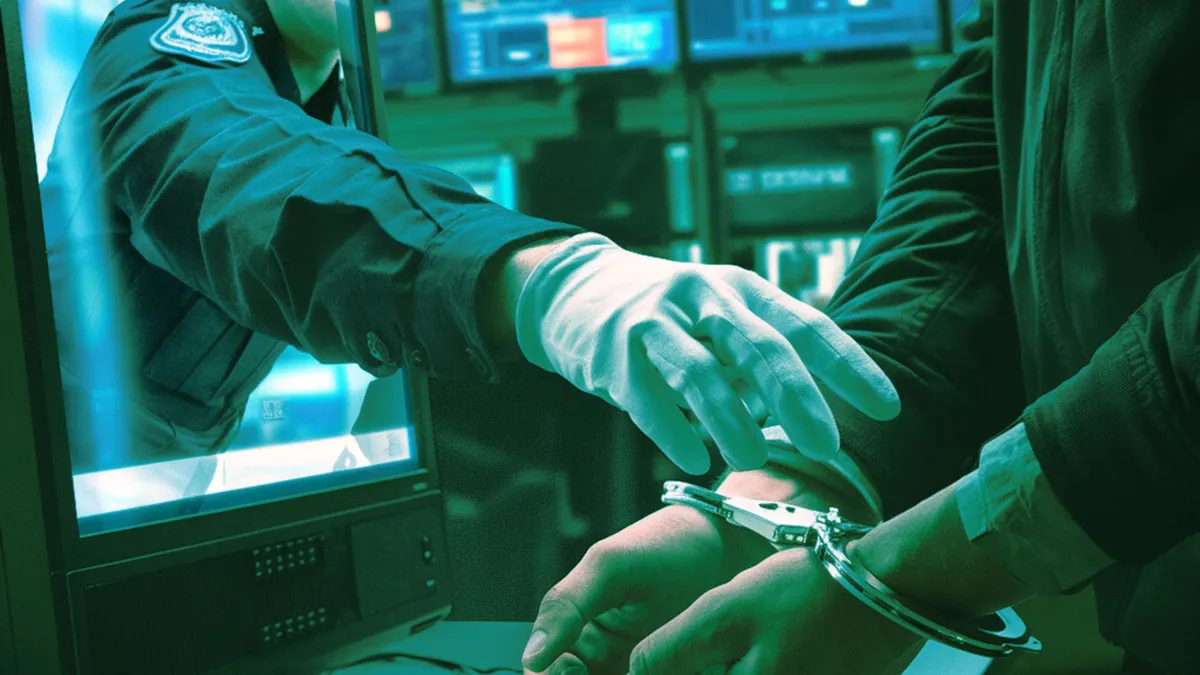

A Chartered Accountant in Kanpur was defrauded of Rs 2.60 lakh over three days by a scammer posing as an Assistant Commissioner of Police from Delhi Cyber Crime, who kept him under sustained psychological pressure with fabricated obscenity charges and repeated threats of arrest. The case took an extraordinary turn when the fraudster made a live WhatsApp call to the victim while he was seated inside the Police Commissioner’s office seeking help, prompting the cyber cell to initiate immediate technical surveillance.
The victim, Prashant Kumar, a CA and resident of Kamla Tower in Kanpur, received the first call at around 9 pm on 25 July from someone identifying himself as ACP Pramod Kumar Rathore of the Delhi Cyber Crime unit’s Karol Bagh division. Digital arrest scams of this type have been spreading rapidly across India, targeting professionals and senior citizens in particular.
Three Days Under Manufactured Fear
The scammer’s strategy from the first call was to deny the victim any mental space for verification. ACP Pramod Kumar Rathore, as the caller presented himself, informed Prashant Kumar that a complaint had been registered against him for watching obscene content and that he would face arrest unless he paid to have the matter settled. A link was sent immediately after the call, and contact was sustained through a combination of WhatsApp calls and messages designed to keep the victim in a state of continuous anxiety.
Over three days, the accused instructed Kumar to transfer money in multiple instalments ranging from Rs 3,000 to Rs 21,000, routing funds through various UPI accounts and QR codes. This fragmentation of payments is a standard tactic in digital arrest scams, reducing the size of each individual transaction to stay below the thresholds that trigger automatic banking alerts. The total transferred across all transactions amounted to Rs 2.60 lakh.
Kumar’s suspicion grew only when demands for more money continued without end. The accumulation of payments without any resolution of the fabricated case, combined with escalating pressure, eventually prompted him to act. He approached the Police Commissioner’s office accompanied by his father, Basant Lal Gupta, to seek intervention.
The Call That Handed Investigators Their Evidence
While Kumar was narrating the incident to the Police Commissioner, the fraudster called again on WhatsApp. The caller claimed he had travelled to Etawah in connection with the investigation and was staying at a hotel, demanding Rs 20,000 to cover his accommodation expenses and threatening an arrest warrant if the money was not sent immediately. The Police Commissioner personally listened to the call as it unfolded.
Acting on instructions, Kumar told the fraudster he had gone to a bank to withdraw cash and would arrange the payment by evening, buying investigators the time they needed to initiate technical surveillance. The cyber cell moved immediately after the call, collecting nearly twenty pages of WhatsApp chat records, transaction details and digital evidence to build the case. The audacity of the fraudster in continuing the extortion operation while the victim was inside a senior police official’s office suggests a network operating with considerable operational confidence, if not coordination across multiple cases simultaneously.
Kanpur Police have previously arrested five individuals for a Rs 57 lakh digital arrest fraud targeting a retired government officer, with investigators establishing that such scams typically involve multiple operators handling distinct roles, from making calls and managing fake identities to controlling the bank accounts that receive transferred funds. Authorities in the current case are examining whether the network behind Kumar’s fraud connects to similar operations active across UP.
A Scam Built on One Central Lie
The entire construct of the digital arrest scam rests on a premise that has no basis in Indian law or procedure. No police force, the CBI, the Enforcement Directorate, or any other government agency conducts investigations through video calls or phone calls, places a citizen under a so-called digital arrest, or demands money in exchange for closing a criminal case. The Supreme Court of India addressed this directly in October 2024, calling digital arrest a form of organised crime and directing all state governments and law enforcement agencies to take coordinated action against it.
Despite this, the scam continues to claim new victims in part because it exploits a specific fear: the combination of legal language, impersonated authority figures and fabricated case records creates a scenario that many citizens, including well-educated professionals, find difficult to dismiss instinctively. The use of obscenity charges, as in Kumar’s case, adds a layer of personal embarrassment that further discourages victims from seeking help quickly.
Prof. Triveni Singh, cybercrime expert and former IPS officer, stresses that the first and most important response to any such call is disconnection, followed immediately by a report to the local police, the National Cyber Helpline at 1930, or the cybercrime.gov.in portal. He emphasises that no legitimate law enforcement agency will ever demand payment over a phone call, and that any caller who does so, regardless of how official they sound, is running a fraud.
Follow for daily updates on cybercrime, corporate fraud, DFIR, hacking, investigations, and digital forensics
