

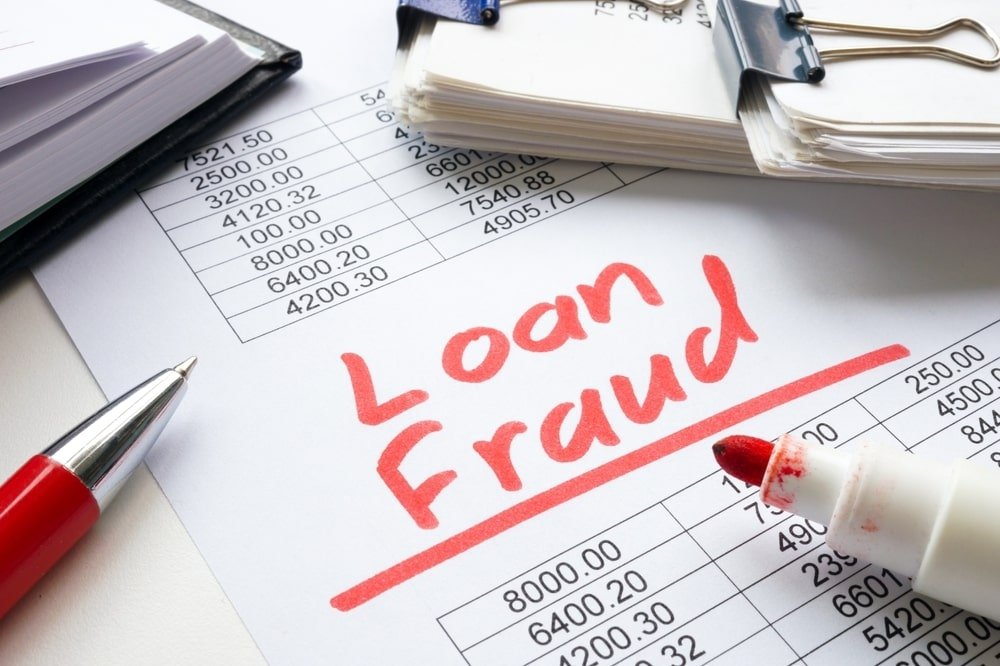

Kochi: Investigators in Kerala have intensified their probe into an alleged large-scale bank loan fraud in Kochi, where documents belonging to individuals with poor CIBIL scores were allegedly misused to obtain high-value business loans worth approximately ₹40 crore. The investigation is centred on accused Jenny Varghese, who is alleged to have secured substantial loans with the help of forged documentation and the suspected involvement of bank officials. The Bank of Maharashtra has also initiated an internal inquiry into the possible role of its employees in the case.
According to investigators, the accused allegedly identified individuals facing financial hardship or possessing weak credit profiles and persuaded them to hand over their documents by offering small financial assistance or other inducements. Police allege that these documents were subsequently used to process business loan applications, leading to the sanction of loans worth crores of rupees. Investigators are examining how the documents were obtained, who facilitated the loan approvals, and the ultimate beneficiaries of the funds.
Registration Begins for FutureCrime Summit 2026, India’s Largest Cybercrime Conference
The case originated from a complaint filed by Eldo Paul, a Congress leader from Kolenchery. Acting on court directions, the Puthencruz Police registered an FIR naming Jenny Varghese as the principal accused and a senior Bank of Maharashtra manager, Shibu Jacob, as a co-accused. In a report submitted before the court, police alleged that the complainant was persuaded to sign stamp papers and blank cheques after being promised a ₹1 crore bank loan. Investigators further alleged that forged signatures and fabricated guarantee documents were later used to secure a loan of nearly ₹30 crore without the complainant’s knowledge, leaving him with a substantial financial liability.
During the investigation, police also recovered material that is being examined to determine the nature of the relationship between the accused and the bank. One photograph reportedly shows Jenny Varghese inaugurating a Bank of Maharashtra branch. According to reports, a bank official stated that the accused was invited because he was regarded as a “big customer.” Investigators are now examining whether this association was purely commercial or whether it had any bearing on the approval of loans and other banking transactions.
Jenny Varghese has, however, made several counterclaims regarding the allegations. He has asserted that the guarantors and bank officials involved in the loan transactions were fully aware of the lending arrangements. He has further alleged that employees of several prominent banks in Kochi accepted bribes in connection with these transactions. These allegations have not been independently verified, and investigating agencies are examining the claims as part of the ongoing inquiry.
The accused has also claimed that his total outstanding loan liability stands at approximately ₹350 crore, of which more than ₹200 crore is allegedly recoverable from individuals who had received financial assistance or entered into business arrangements with him. Investigators are scrutinising these claims by analysing bank accounts, loan documents, financial records, and the movement of funds to establish the complete financial trail and identify all parties involved.
According to renowned cybercrime expert and former IPS officer Prof. Triveni Singh, organised financial frauds frequently exploit individuals in vulnerable financial situations by misusing their documents, forged guarantees, and weaknesses in banking processes. He said banks should adopt multi-layered verification mechanisms for high-value loans, strengthen digital authentication of documents, conduct independent risk assessments, and ensure accountability at every stage of the approval process. He added that periodic internal audits and continuous monitoring of suspicious loan sanctions are essential to detect and prevent such frauds.
Investigators are continuing to examine the role of bank officials, the loan approval process, the authenticity of documents, and the final utilisation of the funds. Authorities believe that further analysis of financial records, banking data, and digital evidence may reveal the involvement of additional individuals. The investigation remains ongoing.
About the author — Suvedita Nath is a science student with a growing interest in cybercrime and digital safety. She writes on online activity, cyber threats, and technology-driven risks. Her work focuses on clarity, accuracy, and public awareness.
