


Tehran | January 10, 2026 | Iran is facing one of its most severe internal crises in decades as anti-government protests intensified sharply on Friday night, with large crowds pouring onto the streets across multiple cities. According to the US-based Human Rights Activists News Agency, at least 65 people have been killed so far and more than 2,311 individuals have been arrested. Rights groups warn that the actual toll could be significantly higher than officially acknowledged figures.
The protests began on December 28 in Tehran, triggered by demonstrations led by traders frustrated with the collapsing currency, soaring inflation and the rising cost of daily living. What started as economic discontent quickly evolved into a broader wave of anger directed at Iran’s political system and governance. Within days, the unrest spread from the capital to several provinces in central and western Iran.
Certified Cyber Crime Investigator Course Launched by Centre for Police Technology
A Bloomberg report noted that violence has been most intense in regions such as Chaharmahal and Bakhtiari, Ilam, Kermanshah and Fars. Meanwhile, Time magazine, citing a doctor in Tehran, claimed that the number of protesters killed may exceed 200, with most victims reportedly dying from gunshot wounds.
Despite a near-total shutdown of internet and mobile networks, videos circulating on social media have highlighted the gravity of the situation. Footage from Fardis, a city around 50 km west of Tehran, shows multiple blood-soaked bodies lying inside a building, while locals are seen attempting to provide first aid to the injured. The video claims that at least 10 people were killed in that area alone, though the footage could not be independently verified.
Chants That Directly Challenge Power
The protests escalated further on Thursday and Friday, coinciding with Iran’s weekend, allowing larger crowds to gather. Demonstrators were heard chanting slogans such as “Death to the Dictator” and “No Gaza, No Lebanon, My Life for Iran,” reflecting growing public resentment toward the government’s foreign policy priorities and domestic governance.
Several videos feature chants directly targeting Supreme Leader Ayatollah Ali Khamenei. In a statement issued on Friday, Khamenei said the government would act firmly against what he described as “instigators of unrest” and vowed to restore control.
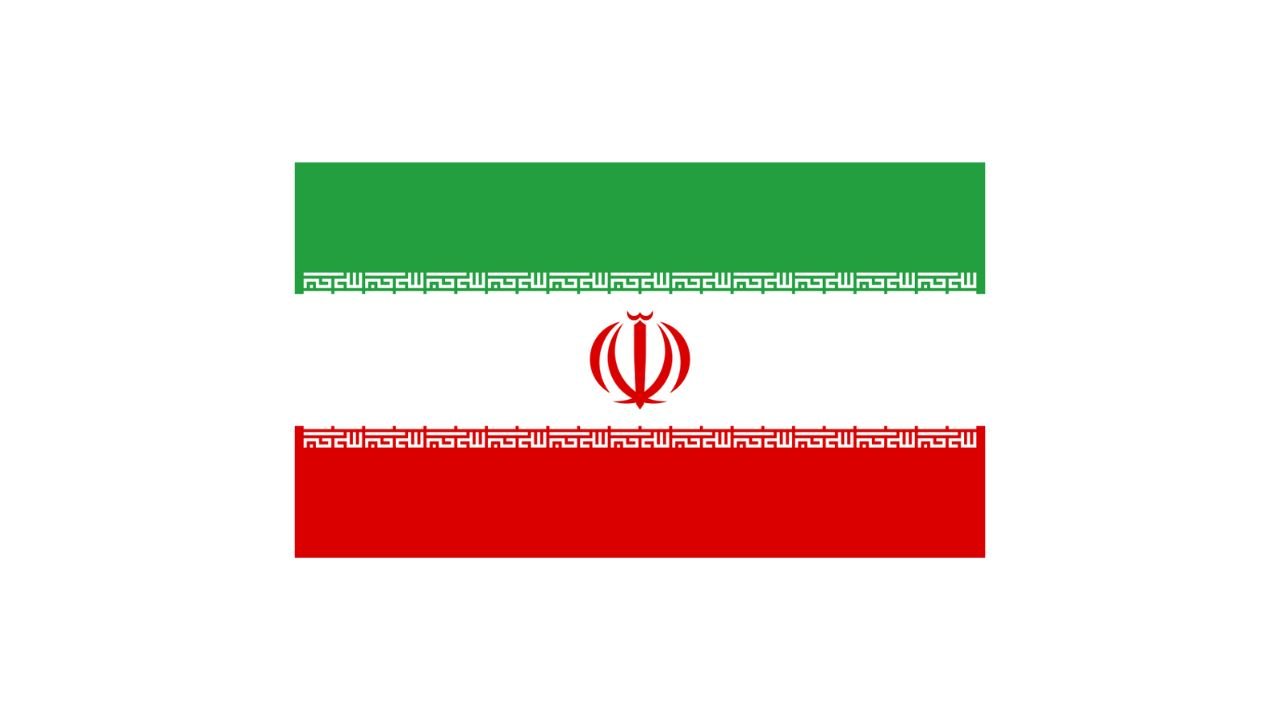
In multiple cities, protesters were seen waving the pre-1979 Iranian national flag bearing the Lion and Sun symbol. Slogans such as “This Is the Final Battle; the Pahlavis Return” suggest that the movement is no longer limited to protest, but is also expressing aspirations for regime change.
Reza Pahlavi’s Call and Global Reaction
The unrest took a decisive turn after Reza Pahlavi, the son of Iran’s last Shah living in exile, urged citizens through phone calls and social media messages to return to the streets. The 65-year-old called on protesters to gather again on Saturday and Sunday evenings and to hold central urban areas, positioning himself as a political face of the movement.
While the United States has not formally recognised Pahlavi as an alternative to Iran’s current leadership, former US President Donald Trump has repeatedly warned Tehran against using violence on demonstrators. Leaders from France, the United Kingdom and Germany have also urged Iran to exercise restraint and respect basic civil rights.
In contrast, Iranian state media has downplayed the scale of the protests, blaming the violence on what it termed “armed terrorists.” Official channels have not confirmed civilian death figures, though they have acknowledged casualties among security forces and members of the Basij militia.
As the protests continue to spread, a larger question looms over Iran’s political future: whether this uprising will fade as another episode of unrest—or mark the beginning of a deeper and lasting transformation of the country’s power structure.
About the author — Suvedita Nath is a science student with a growing interest in cybercrime and digital safety. She writes on online activity, cyber threats, and technology-driven risks. Her work focuses on clarity, accuracy, and public awareness.
