

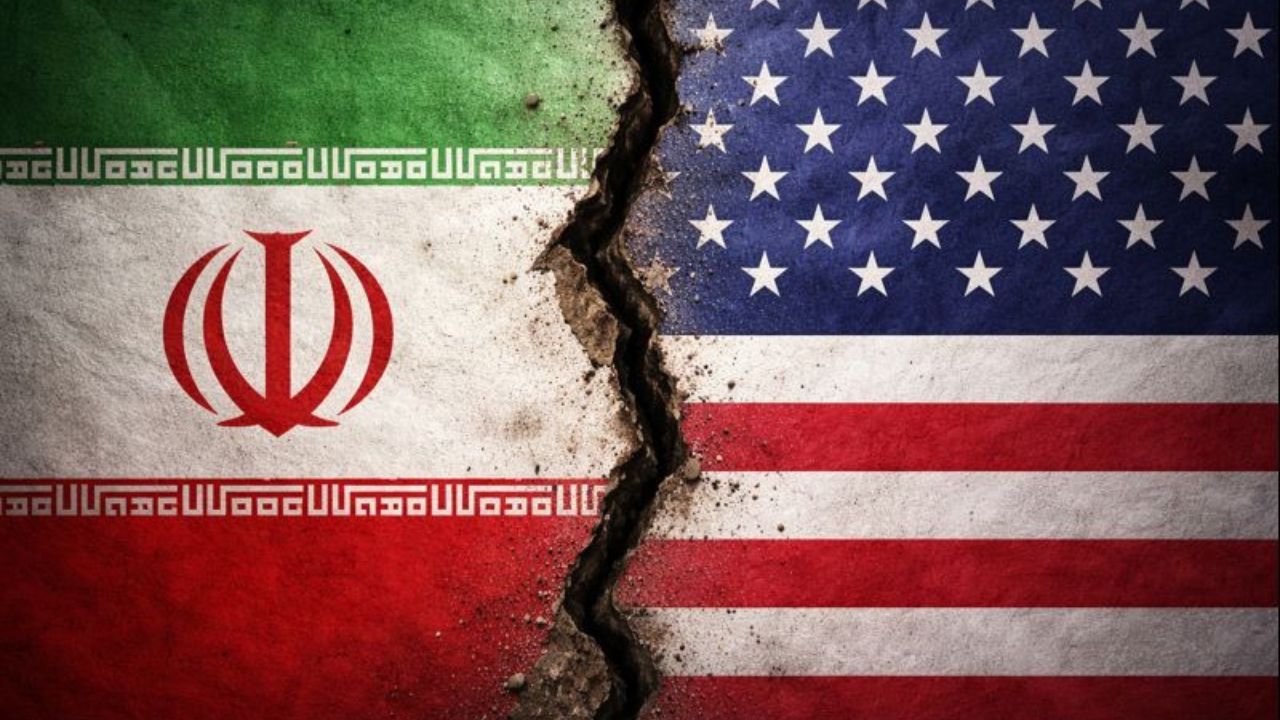

Washington: Tensions between the United States and Iran appear to be intensifying on the cyber front, with Iran-linked hackers accused of targeting drinking water and wastewater systems across the United States. According to reports, suspected cyber intrusions were recorded in at least 12 states during July and August, including Georgia, New Jersey, Michigan, South Dakota and Minnesota.
US intelligence and investigative agencies said some incidents disrupted digital remote-control and monitoring systems at water facilities. The disruptions raised concerns that automated industrial operations and processes connected to water treatment and distribution could be affected. However, there has been no confirmation that water supplies were completely shut down in all of the reported incidents.
More Than 30 Water Systems Targeted in One State
According to the reports, more than 30 community water systems in Minnesota were targeted on July 26 and 27. Automated control systems were disrupted at several locations, prompting affected facilities to pay closer attention to their operational monitoring and control mechanisms.
After July 27, the Federal Bureau of Investigation (FBI) and the Environmental Protection Agency (EPA) received reports of similar suspected intrusions involving water and wastewater systems in at least seven states. Additional incidents were reported in Georgia, New Jersey, South Dakota and Michigan between late July and early August.
US authorities are treating the incidents seriously because a breach of digital systems at water facilities can create risks beyond data theft. If operational technology is compromised, attackers could potentially interfere with physical industrial processes.
Internet-Connected Controllers Under Scrutiny
The FBI and Cybersecurity and Infrastructure Security Agency (CISA) have warned water utilities to strengthen monitoring and cybersecurity protections. Experts say attackers are increasingly looking at internet-facing Programmable Logic Controllers (PLCs), which are widely used in industrial environments.
PLCs connect and control different machines and processes at water facilities. They can be used to monitor water pressure, operate pumps and regulate the dosing of chemicals used during water treatment.
Investigators suspect that attackers identify such devices exposed to the internet and attempt to gain access by exploiting default or stolen passwords and other security weaknesses. If control over an inadequately protected system is obtained, an attacker could potentially interfere with equipment or alter operational settings.
Cybersecurity Concerns Grow Across US Water Infrastructure
The reported attacks have increased concerns over the cybersecurity of critical water infrastructure in the United States. Smaller and medium-sized water facilities can have limited resources for cybersecurity, leaving internet-connected equipment, outdated systems and weak authentication practices vulnerable to exploitation.
Cybersecurity experts have stressed the importance of separating industrial control systems from the public internet wherever possible, replacing default passwords, using multi-factor authentication and continuously monitoring operational networks.
The incidents also highlight the growing convergence between geopolitical tensions and attacks on civilian infrastructure. Water facilities are considered critical infrastructure because disruptions could affect public health, industrial activity and essential community services.
Cyber Pressure Amid Rising Middle East Tensions
The reported incidents come amid continuing tensions between the United States and Iran. US President Donald Trump has indicated that Washington may rely on economic pressure against Tehran rather than immediately pursuing a major military escalation. He has pointed to Iran’s economic difficulties and inflation as factors that could increase pressure on the country.
Trump has also acknowledged that Iran could create problems in the region, including the possibility of commercial shipping being targeted in the Strait of Hormuz.
At the same time, Israeli Prime Minister Benjamin Netanyahu’s rejection of Trump’s Gaza peace proposal has added further pressure to the broader US strategy in the Middle East.
The conflict and regional tensions are also having economic consequences in the United States. Average gasoline prices rose above $4 per gallon this week, more than $1 higher than around the time the US and Israel began bombing Iran on February 28.
Against this backdrop, the alleged cyber intrusions targeting American water systems represent another significant security challenge. US agencies are now examining the incidents, while utilities are being urged to strengthen the protection of internet-connected industrial equipment and ensure that critical water infrastructure remains resilient against future cyberattacks.
About the author — Suvedita Nath is a science student with a growing interest in cybercrime and digital safety. She writes on online activity, cyber threats, and technology-driven risks. Her work focuses on clarity, accuracy, and public awareness.
Follow for daily updates on cybercrime, corporate fraud, DFIR, hacking, investigations, and digital forensics
