
Follow us on Google News

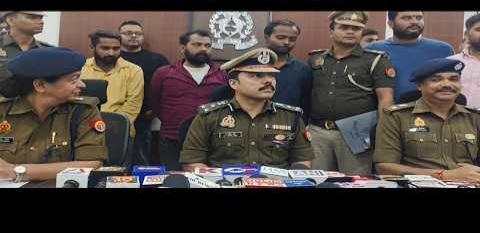
An international crackdown on food fraud has led to the seizure of counterfeit and illicit products worth approximately $87 million across 57 countries. The operation, coordinated by INTERPOL and Europol, resulted in 79 arrests and the disruption of 18 organised criminal groups involved in fraudulent food and beverage activities.
The nearly six-month operation uncovered widespread adulteration, mislabelling and illegal distribution of everyday commodities, including sugar, honey, cooking oil and alcoholic beverages.
What Did the Global Operation Uncover?
Operation Opson XV, conducted between December 15, 2025, and May 31, 2026, brought together law enforcement agencies, customs authorities and food safety regulators from 57 countries. Authorities conducted more than 17,000 inspections and seized over 526,328 items, including 1,653 tonnes of substandard or illegally traded food products and 227,800 litres of non-compliant or illicit beverages.
FCRF Launches Certified Chief Risk Officer (CRO) Program for India’s Risk Leaders
Investigators also examined the trafficking networks responsible for moving fraudulent products across borders. The operation exposed criminal practices involving deliberate misclassification of goods, adulteration of essential commodities and misuse of legitimate shipping channels to avoid regulatory scrutiny. Officials warned that such activities threaten consumer safety while causing financial losses to legitimate businesses.
How Were Everyday Food Products Adulterated?
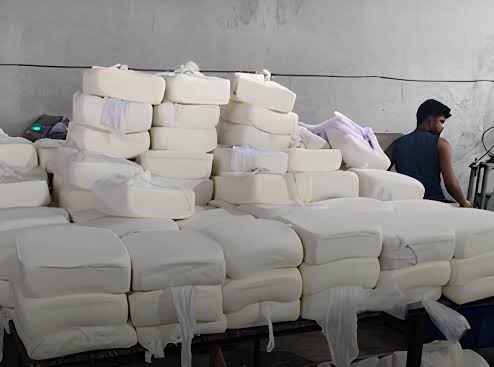
In Brazil, authorities seized 90 tonnes of adulterated commodities, including 48 tonnes of sugar and 42 tonnes of soybeans. Investigators found that raw materials had been partially substituted, indicating deliberate interference with product quality.
Canadian authorities confiscated more than 10 tonnes of honey adulterated with sugar syrups. Advanced testing was used to examine the product’s molecular characteristics and verify its authenticity. Officials warned that honey mixed with high-glycaemic industrial syrups could pose particular risks to people with diabetes.
In Spain, two individuals were detained for allegedly marketing 227 kilograms of stolen farmed fish as wild-caught seafood. Meanwhile, Portuguese authorities uncovered 10,000 litres of vegetable oil falsely labelled as premium virgin olive oil. Three individuals were charged in connection with the Portuguese case. Authorities in Türkiye also seized 137 food supplement items and more than one tonne of honey.
What Other Illegal Products Were Seized?
The operation extended beyond food and beverages, uncovering counterfeit medicines and other illegally traded products. In Ethiopia, authorities seized 12,000 tablets and 1,800 capsules, including counterfeit insulin, raising concerns about risks to patients relying on genuine medication.
In Ecuador, officials confiscated 19,920 units of illicit alcoholic beverages bearing the names of established brands. The shipment was suspected of lacking the sanitary registration required for lawful sale. Authorities in Côte d’Ivoire seized 4,817 counterfeit clothing items and 7,200 litres of illegally transferred butane gas.
Investigators identified a shift towards chemical adulteration rather than simple imitation of established brands. Criminal networks were also found exploiting legitimate trade infrastructure, repackaging expired food and violating hygiene requirements at production facilities.
The operation, supported by the European Anti-Fraud Office, included India among the participating countries. Authorities expect the seizures and intelligence gathered during Operation Opson XV to support further investigations into international food fraud networks.