

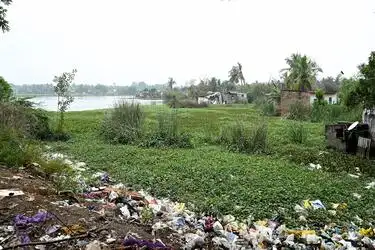
Khajrana Civil Hospital in Indore has existed in government records for nearly six years despite having neither land nor a building, with sanctioned staff, appointments and transfer orders continuing to be issued in its name. The hospital, approved in 2020, has never admitted a patient, while its sanctioned employees have been deployed to other government health facilities across the city.
Hospital exists on paper but not on the ground
The Madhya Pradesh government approved a 100-bed civil hospital for Khajrana on June 23, 2020, with the project intended to serve more than three lakh residents across Khajrana, Musakhedi, Tejaji Nagar, Bicholi Hapsi and nearby localities. Along with the approval, 87 government posts, including specialist doctors, medical officers, nurses, pharmacists, laboratory technicians and support staff, were sanctioned.
However, construction never began because land was not allotted. Despite the absence of a hospital building, the sanctioned establishment has continued to exist on government records, with appointments and transfer orders being issued in its name. The latest posting order was issued on June 15, 2026, transferring a laboratory technician to the hospital.
Officials said the sanctioned staff have instead been attached to PC Sethi Hospital, Hukamchand Hospital, Sanjeevani Clinics and other government healthcare facilities in Indore. On paper, many remain linked to Khajrana Civil Hospital, although the institution has no address, wards, beds or patients.
Project remains incomplete
For now, Khajrana Civil Hospital continues to exist only in official records, with sanctioned posts remaining active despite the absence of a functioning hospital. While the staff have been deployed to other government health facilities, residents of Khajrana and surrounding areas continue to depend on existing hospitals for medical care.
The case underscores how delays in land acquisition and project execution can leave essential public infrastructure incomplete for years, even after administrative approvals and staffing are in place. It also highlights the gap that can emerge between government planning and on-ground implementation, particularly in sectors as critical as public healthcare.
