
Follow us on Google News

India’s installed data centre capacity is projected to expand nearly fivefold by fiscal 2030, propelled by rapid growth across the digital economy, widespread cloud adoption, and the escalating computing demands of artificial intelligence. The anticipated scale of development could establish the country as a major international digital infrastructure hub, supported by heavy domestic and global investment across critical metropolitan and coastal corridors.
Regional Hubs Drive Capacity Expansion
Mumbai, Visakhapatnam, and Hyderabad are positioned to anchor the sector’s expansion over the coming years. By fiscal 2030, the projected capacity added across these three locations is estimated to match approximately 80 per cent, 60 per cent, and 20 per cent of their respective current peak power requirements, reflecting the substantial utility footprint needed to operate large-scale facilities.
While Mumbai continues to lead the industry due to its dense concentration of financial institutions, international enterprise networks, and existing submarine cable landings, it faces emerging hurdles involving land costs and grid congestion. Concurrently, Visakhapatnam is drawing significant capital due to its coastal positioning and submarine connectivity, while Hyderabad leverages an established pool of technical personnel and an extensive corporate IT base to capture fresh facility development.
Escalating Power and Cooling Demands
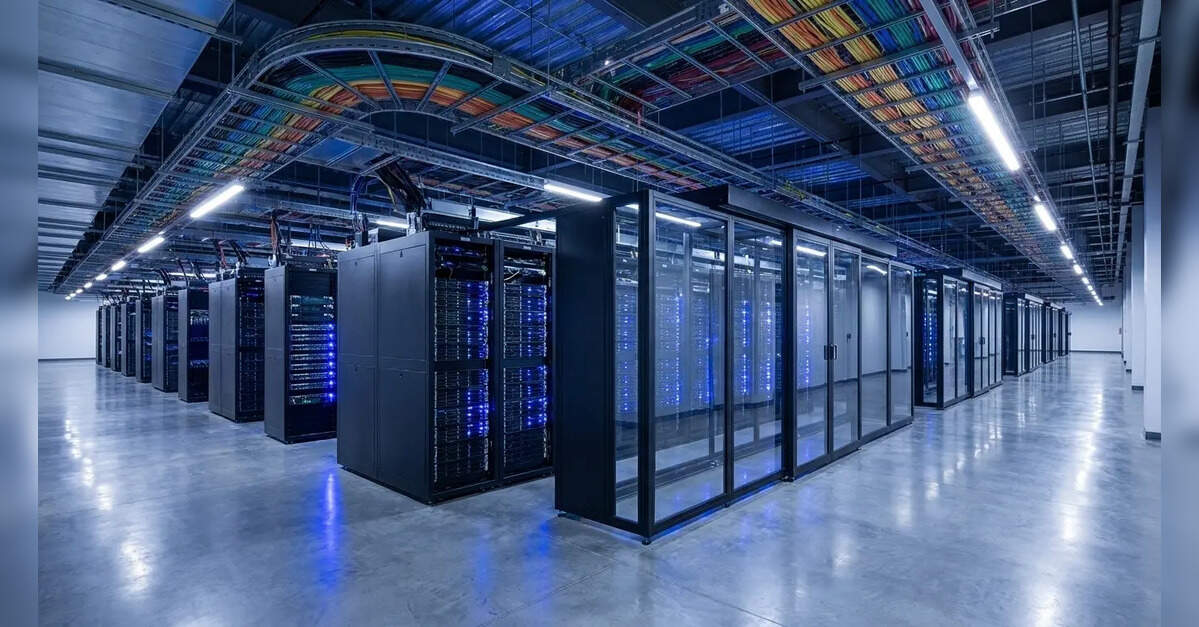
As domestic internet usage widens, heavy data generation across banking, retail, healthcare, telecom, and public administration has intensified corporate reliance on local facilities. Data centres house high volumes of processing hardware, networked storage, and server systems that sustain everyday digital payments, streaming platforms, and corporate enterprise workloads.
The integration of artificial intelligence is placing unprecedented operational demands on these assets. AI model training and associated inference applications rely on dense arrays of advanced processors that run continuously, requiring massive electricity supplies alongside sophisticated thermal cooling frameworks. Keeping server environments regulated forms a primary share of ongoing facility costs, pressing operators to improve overall energy efficiency and secure viable renewable power sources.
Infrastructure Dependencies and Sector Outlook
Expanding domestic infrastructure holds strategic value for India, helping strengthen domestic data sovereignty, service performance, and system reliability, while supporting engineering, construction, and network operations employment. However, translating investment plans into operational capacity depends directly on overcoming acute local constraints.
Securing large tracts of suitable land, managing water volumes for cooling systems, navigating regulatory approvals, and establishing reliable utility access remain critical to meeting projected targets. The ultimate pace of the sector’s expansion through 2030 will rest on how effectively developers and regional authorities resolve these essential physical infrastructure constraints alongside rising computing workloads.