
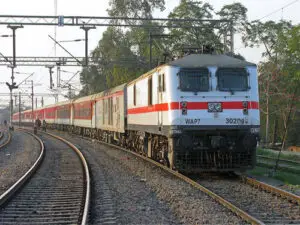
Indian Railways has taken a significant step to curb ticketless travel by doubling the minimum penalty from ₹250 to ₹500. The revised provision came into effect across the country on June 20, 2026. Railway authorities said the move is aimed at reducing revenue losses, discouraging unauthorized travel and ensuring a more disciplined and safer travel environment for passengers.
Under the amended provisions of the Railways Act, 1989, passengers found travelling without a valid ticket will now face a minimum penalty of ₹500. Previously, the minimum fine stood at ₹250. The change has been introduced through the Jan Vishwas (Amendment of Provisions) Act, 2026, which seeks to modernize and strengthen penalty-related provisions across various laws.
Registration Begins for FutureCrime Summit 2026, India’s Largest Cybercrime Conference
According to railway officials, the stricter framework is not limited to ticketless travel alone. Passengers using tickets issued in another person’s name, travelling in a class higher than the one for which they hold a valid ticket, or violating ticketing regulations may also face higher financial penalties. Authorities have advised passengers to ensure they possess valid tickets before commencing their journey and comply with all travel-related rules.
The revised rules also increase penalties for several other offences aimed at maintaining order and discipline within railway premises and trains. Unauthorized hawking, begging, creating public nuisance, disorderly conduct, travelling under the influence of intoxicants, and violations involving railway property may now attract steeper penalties. In certain cases, the fines can run into thousands of rupees depending on the nature and severity of the offence.
Railways officials believe ticketless travel has remained a persistent challenge for the national transporter. Every year, ticket-checking drives across various railway zones detect large numbers of passengers travelling without valid tickets or with irregular travel documents. In recent years, special enforcement campaigns have helped authorities recover substantial amounts in penalties while strengthening compliance among passengers.
Industry observers say the increase in penalties could have a strong deterrent effect. Earlier, some passengers were willing to take the risk of travelling without tickets because the financial consequences were relatively limited. With the minimum penalty now doubled, the cost of violating railway rules has increased significantly, which may encourage greater compliance and responsible travel behaviour.
The move is also expected to improve ticket sales and reduce overcrowding caused by unauthorized passengers occupying seats and space meant for legitimate ticket holders. Railway authorities have repeatedly emphasized that ticketless travel affects not only revenues but also the comfort and convenience of law-abiding passengers.
Officials have made it clear that ticket-checking drives will continue with the same intensity and that there will be no relaxation in enforcement. Authorities maintain that travelling without a ticket is a violation of railway regulations and creates inconvenience for genuine passengers who pay for their journeys. As a result, passengers are being urged to carry valid tickets at all times and follow railway rules strictly.
The message from Indian Railways is unequivocal: travelling without a ticket is now a far more expensive proposition than before. Passengers are advised to purchase valid tickets, verify their travel documents before boarding, and avoid using tickets issued to others. With the new rules now in force, Indian Railways has signalled a tougher approach toward rule violations and a renewed focus on ensuring greater accountability across its vast network.
