

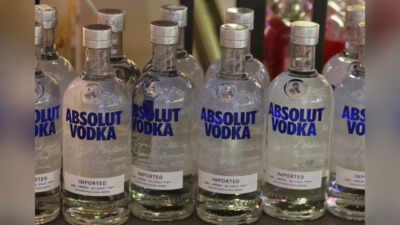

Indian tax authorities have initiated inquiries into major liquor manufacturers Pernod Ricard and Diageo to determine whether the companies incorrectly classified bulk Scotch whisky imports to claim lower tariffs under the bilateral trade pact between India and the United Kingdom. The investigation centres on shipments entering the country after July 15, when revised provisions halved customs levies on certain Scotch products from 150 percent to 75 percent. Officials suspect that the enterprises declared imported bulk Scotch concentrates under product headings entitled to reduced duties, even though the tax department maintains that the concessions were intended solely for bottled and eligible retail lines. While investigators examine whether import declarations satisfied statutory conditions, no formal findings of wrongdoing have been announced.
Tax Officials Inspect Premises and Review Import Filings
The scrutiny escalated after tax officials visited Pernod Ricard’s regional headquarters near New Delhi to question company executives and examine documentation linked to bulk consignments. The inspection, conducted on Thursday, focused on whether the declarations submitted to customs authorities accurately described the physical nature of the concentrates and applied the correct levy rates. Separately, Diageo’s Indian subsidiary, United Spirits, disclosed in a regulatory filing that enforcement teams conducted searches across multiple office locations on Friday as part of an industry-wide review.
Both enterprises have pledged full cooperation with the authorities. Pernod Ricard confirmed it was working directly with the Directorate of Revenue Intelligence and responding to official inquiries, while Diageo stated that it adheres strictly to domestic regulations. United Spirits similarly noted that it supplied all relevant papers and clarifications requested by investigators. Customs disputes involving the classification of imported merchandise have previously affected multinational firms in India, including Samsung, LG, and Volkswagen, where reclassification assessments often triggered retrospective tax claims long after initial clearance.
Lower Duties Reshape Domestic Liquor Pricing
The trade pact has altered market conditions across India’s domestic spirits sector, where Pernod Ricard and Diageo hold dominant market positions. Both companies routinely import bulk Scotch concentrates to blend with local neutral spirits, producing high-volume domestic labels such as Royal Stag, Blenders Pride, and McDowell’s. Although the agreement established a phased reduction that will lower specific duties from 75 percent to 40 percent over the next decade, the immediate cut from 150 percent has already triggered retail price adjustments.
Retail prices for select imported brands dropped by 10 to 15 percent across several states, including Maharashtra, Rajasthan, Goa, and Uttar Pradesh. Diageo implemented price cuts on labels such as Johnnie Walker Black Label and J&B, while Pernod Ricard moved to secure price adjustments for Chivas, Ballantine’s, and The Glenlivet. Trade estimates indicate that British whisky exports to India surpassed £200 million in 2022, with industry analyst Crisil Ratings calculating that the United Kingdom accounts for roughly three-quarters of India’s imported spirits trade. Consequently, official determinations regarding which consignments qualify for preferential treatment carry substantial financial implications for domestic distillers.
Distillers Navigate Ongoing Regulatory Scrutiny
The customs inquiry adds to a complex regulatory landscape for both alcohol conglomerates within India. Pernod Ricard, which considers India its largest global market by volume, continues to contest antitrust proceedings alongside an unresolved $314 million back-tax claim relating to the alleged undervaluation of earlier imports. The French group has rejected the accusations and denied any wrongdoing.
Diageo has similarly navigated local compliance challenges. In August, the British distiller agreed to reformulate several core beverage formulations after the domestic food safety regulator prohibited specific products in select states over concerns regarding added flavouring compounds. The current inquiry remains focused strictly on determining whether bulk Scotch imports met the statutory eligibility criteria under the bilateral agreement, with authorities working to establish whether additional customs payments will be assessed against the distillers.
Follow for daily updates on cybercrime, corporate fraud, DFIR, hacking, investigations, and digital forensics
