

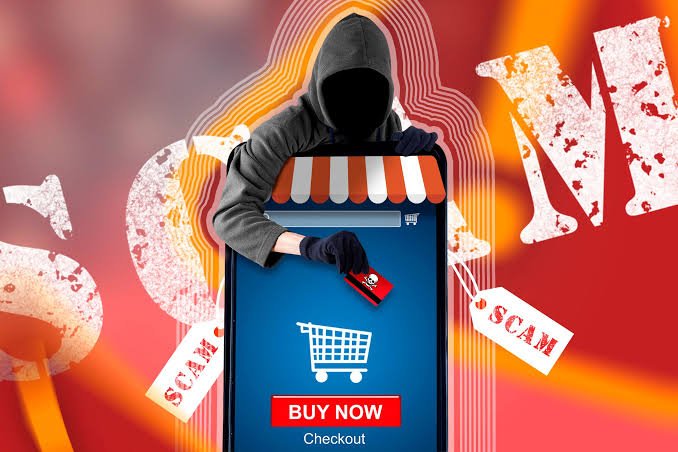

NEW DELHI — Online shopping scams now account for 33 percent of all reported cyber fraud cases in India, with attractive discounts and deceptive limited-time deals emerging as primary traps for digital consumers. According to the GSMA India Consumer Scam Report 2026, 12 percent of citizens experienced cyber fraud during the preceding year. Even more concerning for law enforcement and consumer advocates, 67 percent of victims who suffered financial losses failed to recover a single rupee. Fraudsters increasingly rely on counterfeit platforms, spurious social media promotions, empty delivery boxes, and fake refund helplines to target shoppers as digital commerce expands nationwide.
Tactics Used to Lure Unsuspecting Shoppers
Cybercriminals frequently establish fraudulent websites that clone the visual identity, logos, and product photographs of well-known retail brands and e-commerce companies. These counterfeit storefronts are promoted across search engines and social media networks, tempting buyers with steep price cuts on apparel, footwear, and consumer electronics. In many cases, sellers collect advance payments and immediately sever communication without delivering the goods. Operators also register domain names that contain minor spelling deviations from legitimate corporate addresses, deceiving consumers who fail to scrutinize the uniform resource locator. Security specialists point out that a browser padlock symbol only confirms an encrypted data transmission, not the authenticity or credibility of the business operating the website.
Parcel Exploitation and Fraudulent Helplines
The scope of e-commerce fraud extends directly to physical deliveries and subsequent customer service queries. Many buyers receive empty boxes, inferior products, or demands for unexpected clearance fees under the pretext that a shipment is blocked. Unsolicited cash-on-delivery parcels represent another common hazard, as uninformed family members frequently pay for packages that no household resident ordered. Furthermore, shoppers seeking assistance often encounter bogus customer care telephone numbers on search engines. Fraudulent operators posing as service representatives instruct victims to download remote screen-sharing software, enabling the unauthorized extraction of financial credentials and illicit money transfers.
Protective Measures and Immediate Redress Mechanisms
Consumers can mitigate potential exposure by independently navigating to official brand applications rather than following third-party promotional links. Authorities recommend verifying seller credentials, reviewing return policies, and treating requests for personal Unified Payments Interface transfers as serious warning flags. Buyers should also verify delivery tracking details, decline unconfirmed parcels, select open-box verification when available, and record unboxing videos to preserve evidence. Critical security protocols include withholding one-time passwords, keeping remote-access applications off personal devices, and noting that scanning quick-response codes or entering security personal identification numbers transfers funds outward rather than receiving refunds. Victims should quickly gather transaction records, report financial losses to the 1930 national helpline or the cybercrime portal, alert their respective banks, report suspicious callers through the Chakshu facility, and escalate merchandise disputes through the 1915 consumer helpline.
Follow for daily updates on cybercrime, corporate fraud, DFIR, hacking, investigations, and digital forensics
