

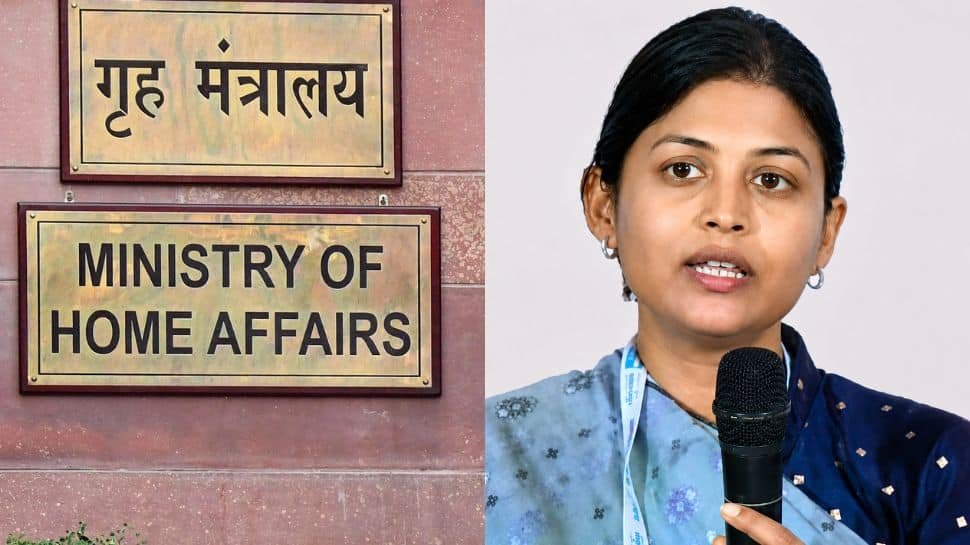

The central government has ordered the removal of senior Indian Administrative Service officer Padma Jayswal from service following the conclusion of a long-standing investigation into financial irregularities and corruption. The 2003-batch officer, belonging to the AGMUT cadre, was found to have engaged in the misuse of public funds and abuse of her official position during a posting in Arunachal Pradesh nearly two decades ago. This significant disciplinary action marks the end of a process that originated with a local complaint filed in 2008, highlighting a rigorous, albeit extended, administrative pursuit of accountability.
Decades of Investigation into Financial Conduct
The origins of the case trace back to the period of 2007 to 2008, when Jayswal was stationed in Arunachal Pradesh. During her tenure, specific financial transactions and revenue management practices were flagged by internal monitors, leading to allegations of procedural lapses and the unauthorized use of government resources. Following the initial formal complaint in 2008, she was placed under suspension to allow for an unfettered preliminary inquiry. While she was later reinstated to service as the investigation moved through various bureaucratic stages, the cloud of the 2008 allegations remained a central focus of her professional record.
The inquiry process involved a meticulous review of thousands of pages of government files, financial ledgers, and administrative approvals. Investigators focused heavily on whether certain financial decisions were made with transparency or if they bypassed established regulatory frameworks for personal or unauthorized benefit. The sheer volume of documentation and the necessity of adhering to strict service rules meant that the case spent years transitioning between departmental inquiries and judicial review forums. Officials noted that the extended timeline was necessary to ensure that every legal and procedural avenue was exhausted before reaching a final determination on her career status.
Professional Background and Career Trajectory
Padma Jayswal entered the civil services with an academic foundation in commerce and management, skills that saw her assigned to various roles within district administrations and departmental secretariats. As a member of the AGMUT cadre, her career spanned across multiple Union Territories and states, involving complex assignments in policy implementation and regional governance. Despite the ongoing disciplinary proceedings, she continued to serve in various capacities, though the pending investigation limited her trajectory within the senior ranks of the administrative hierarchy.
The final order of removal from service was issued only after the central government completed a comprehensive examination of all inquiry reports and subsequent appeals. Under the applicable service regulations, such a penalty is considered one of the most severe disciplinary actions available to the government. Experts in administrative law point out that the decision was likely finalized after ensuring that the findings met the high burden of proof required for the removal of a permanent civil servant. Although the order effectively ends her current career in the IAS, the specific nature of the removal does not legally bar her from all future government employment, though it serves as a definitive mark against her professional integrity.
Implications for Governance and Accountability
The removal of a high-ranking officer has generated significant discussion within the corridors of power in New Delhi. To many, the conclusion of this case serves as a clear signal that the central government intends to pursue corruption cases to their finality, regardless of how much time has passed since the initial offense. It reinforces the principle that administrative accountability does not expire with the passage of years. However, the nearly twenty-year gap between the complaint and the final verdict has also prompted a debate regarding the efficiency of the disciplinary framework.
Observers note that while the outcome demonstrates a commitment to transparency, the duration of the investigation reflects the procedural complexities inherent in the Indian administrative system. The case of Padma Jayswal is now being cited as a primary example of both the government’s resolve to address financial misconduct and the challenges of navigating the multiple layers of review, appeals, and legal scrutiny that define civil service oversight. As the administrative circles process the news, the focus remains on the detailed findings of the inquiry, which may offer further insights into the specific nature of the irregularities that led to this rare and decisive action by the central government.
Follow for daily updates on cybercrime, corporate fraud, DFIR, hacking, investigations, and digital forensics
