
Stay ahead with our breaking stories and exclusive coverage prioritized on Google.
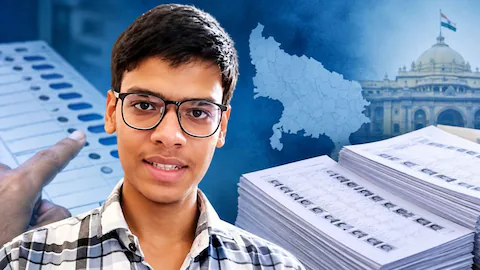
Add The420 on Google →New Delhi: An 18-year-old ethical hacker from Ranchi has converted 6.8 lakh voter roll files of Uttar Pradesh into a searchable digital database. Sarthak Siddhant and his team processed electoral rolls issued by the Election Commission to organize 54.8 crore records across all 403 assembly constituencies in the state. The initiative is expected to make it easier for voters, journalists, researchers, and civic groups to search information across millions of pages and compare electoral rolls from different years.
Announcing the project on social media platform X on November 24, Siddhant said his team processed every Election Commission voter roll PDF for Uttar Pradesh using Optical Character Recognition technology. Most of these documents were scanned files, which the team converted into machine-readable data with separate tables created for each assembly constituency.
From Scanned PDFs to a Digital Database
While the Election Commission had made voter lists available on its website, a large number of the documents were in image-based PDF formats. Searching for a voter’s name required identifying the relevant assembly constituency and polling station, downloading the file, and manually checking pages one by one. For ordinary citizens, navigating millions of documents was difficult.
Siddhant’s team addressed this problem using Optical Character Recognition, which identifies letters and numbers in scanned documents and converts them into digital text. This allows users to search names, numbers, and other available details on a computer while also enabling data analysis and comparison across different editions of the voter list.
Four Phases of Electoral Rolls Included
The project covers four sets of voter lists: the rolls used in the 2024 Lok Sabha elections, the draft and final rolls prepared during the Special Intensive Revision, and the draft voter list released for 2027. By bringing these records together, the platform consolidates electoral data prepared across different periods into a single digital system.
Special measures have also been taken to protect personal information. In the publicly downloadable data, details such as voters’ names, relatives’ names, Electoral Photo Identity Card numbers, and house numbers are not displayed directly. Instead, keyed-hash tokens have been used so entries across different voter lists can be matched without exposing original personal identities, while individual records can still be verified against the original Election Commission PDFs.
Praise for Making Electoral Data Accessible
The effort has drawn praise from political leaders, journalists, and civic organizations. Congress MP Gaurav Gogoi backed the initiative, calling it a long and laborious task that is essential for democracy, and noting that democracy grows stronger when citizens remain vigilant and monitor public institutions. Senior journalist Pankaj Pachauri also commended the project as genuine public service, saying the team was doing work the Election Commission had not done. Leader of the Opposition in the Lok Sabha Rahul Gandhi has also previously sought machine-readable voter records.
Although the Uttar Pradesh Chief Electoral Officer’s office released searchable and downloadable PDFs of the 2027 draft voter roll on November 17, Siddhant’s database goes further by integrating four separate phases of voter lists into one system. Siddhant had earlier drawn attention in May 2026 after flagging alleged discrepancies in the Central Board of Secondary Education’s on-screen marking system following his Class 12 results. He later examined tender documents and submitted a seven-page report on June 2 to the Parliamentary Standing Committee on Education chaired by Congress MP Digvijaya Singh. On June 26, he also published a database of around 1.66 crore government procurement records from the Central Public Procurement Portal, before being named to the TIME100 Next India 2026 list on November 20.