
Stay ahead with our breaking stories and exclusive coverage prioritized on Google.
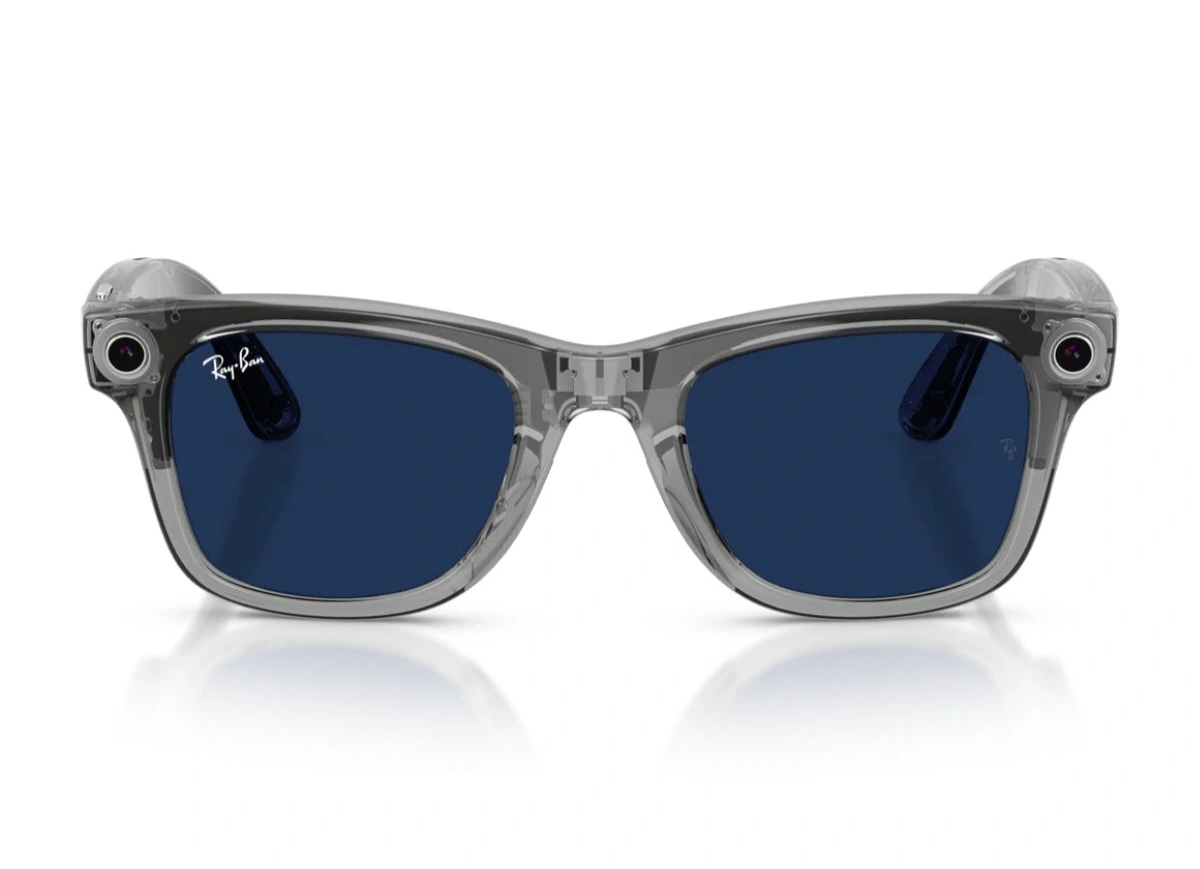
Add The420 on Google →New Delhi: Consumer rights and digital privacy organizations in the Netherlands have moved court seeking a halt to the sale of Meta’s artificial intelligence-powered smart glasses over privacy and personal security concerns. The petitioners allege that the Ray-Ban smart glasses allow users to record photos and videos of people in public spaces without their knowledge or consent, violating European privacy laws.
The petition, filed at the Amsterdam District Court, seeks action against Meta and its manufacturing partner EssilorLuxottica, the parent company of Ray-Ban. Led by Dutch consumer group Consumentenbond and anti-online sexual abuse organization Offlimits, the plaintiffs have asked the court to suspend sales until privacy risks are resolved. A ruling in the case is expected by December 24 at the latest.
Petitioners Seek Ban on Covert Recording and AI Training
The petitioners urged the court to prohibit Meta from enabling recording features that capture individuals without their awareness and to stop the use of recorded footage for training AI models. To enforce compliance, the organizations proposed a daily penalty of 100,000 euros on Meta and the concerned parties, capped at a maximum of 100 million euros.
During court arguments, Offlimits warned that the glasses could be used to secretly capture intrusive images and videos in sensitive locations such as examination centers, changing rooms, swimming pools, hotel rooms, and hospitals, as well as public spaces like beaches and sports grounds.
Meta and EssilorLuxottica Reject Allegations
Meta opposed the petition, arguing that a manufacturer cannot be held liable for every instance of deliberate misuse by users. Company counsel told the court that an indicator light on the frame illuminates during recording to alert bystanders. Meta also denied using videos and photos captured by smart glasses in Europe to train AI models in violation of European regulations, contending that halting sales would harm legitimate users and undermine its market competitiveness.
EssilorLuxottica similarly described the proposed sales ban as unjustified. Its legal representative stated that the eyewear maker neither processes nor accesses recorded footage, adding that banning a single product would not resolve broader privacy concerns given the presence of competing devices on the market.
Growing Scrutiny Across Europe and Beyond
The legal challenge in the Netherlands reflects widening international scrutiny of smart glasses. Potential restrictions are under discussion in Australia and Norway, while courts in England, Wales, and the US state of New York have barred their use on court premises. Cinemas in the United Kingdom have also introduced curbs to protect privacy and prevent piracy. In Germany, the national consumer federation has announced legal action against Meta and Ray-Ban, arguing that users in public spaces struggle to comply with European data protection rules.
In October, the European Data Protection Board flagged serious privacy risks tied to smart glasses and called for stronger safeguards, while Dutch and Belgian retail chain Hans Anders stopped selling Meta’s Ray-Ban glasses. Earlier this month, Dutch privacy regulator AP advised consumers against purchasing the devices, warning they pose risks to both wearers and bystanders. Meta and EssilorLuxottica sold more than seven million smart glasses globally in 2025, holding roughly 80 percent of the global market, while Meta also faces proposed class-action lawsuits in the United States over alleged improper sharing of private images captured by the devices.