

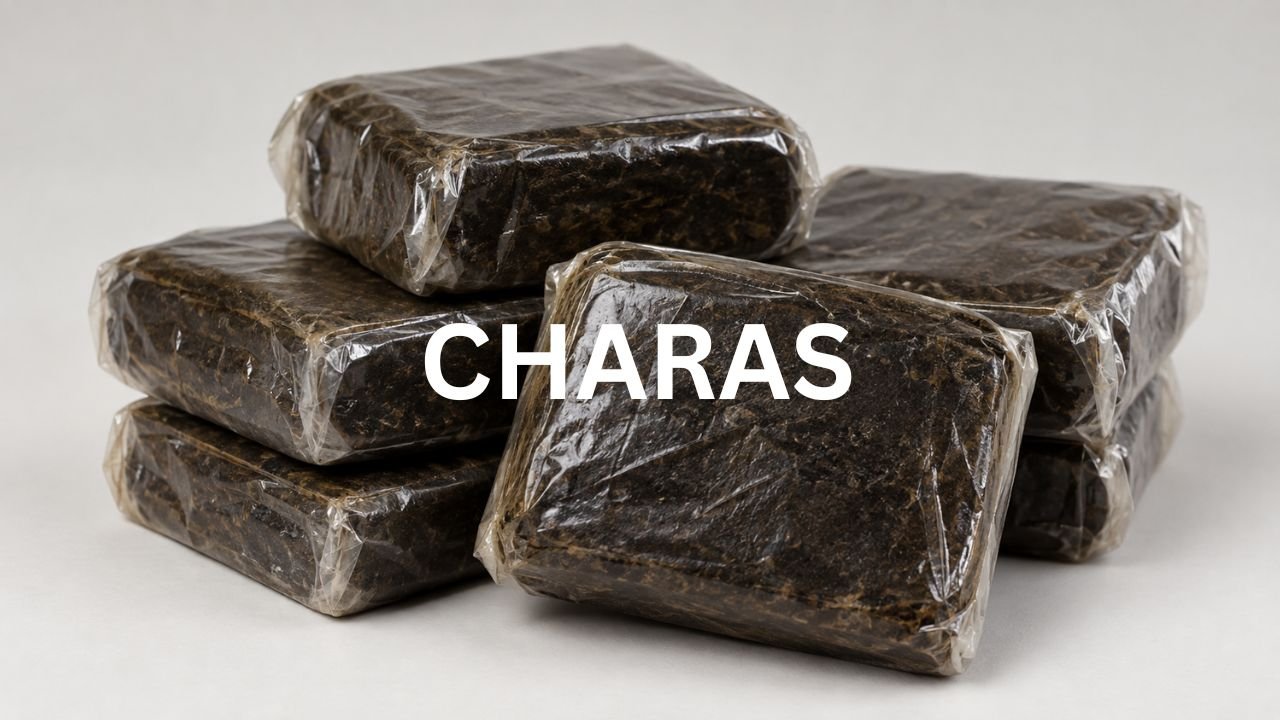

Gorakhpur. The Directorate of Revenue Intelligence (DRI) has uncovered an alleged attempt to transport a consignment of narcotics from Bihar to Punjab at Gorakhpur railway station. Two Nepalese women travelling on the Jan Nayak Express were arrested by a DRI team on Sunday. During a search, 6.078 kg of charas was recovered from their possession. The consignment is estimated to be worth around ₹6.078 crore in the international illicit market. Preliminary information indicates that the charas was being transported from Bihar to Ludhiana.
The DRI had received information that a large consignment of charas could be transported to Punjab through a train arriving from Bihar. Acting on the intelligence input, the team increased surveillance at Gorakhpur railway station and began checking passengers aboard the Jan Nayak Express. After the train arrived at the station, two women were stopped on the basis of their suspicious movements. Their nervousness during questioning prompted the officials to conduct a detailed search.
Proposal for Conducting Cyber Crisis Drill, Tabletop Exercise (TTEx) & CCMP Readiness Exercise
During the search, the women were found carrying a black-coloured substance. It had been packed into 12 separate packets. DRI officials tested the substance using a field-testing kit, which confirmed it to be charas. The women were subsequently taken into custody and the recovered material was seized.
Packets Strapped Around Thighs Under Sarees
The method allegedly used to conceal the narcotics emerged during the investigation. Instead of carrying the 6.078 kg of charas in ordinary luggage, the two women had allegedly strapped it to their bodies. The 12 packets were wrapped around their thighs above the knees and concealed under their sarees. The arrangement was reportedly designed to make them appear like ordinary women passengers and avoid suspicion during routine checks.
According to the DRI, the manner in which the charas was concealed was intended to evade detection. However, based on the intelligence input received in advance, the team carried out intensive passenger checks, leading to the women being intercepted. Following the seizure, investigators are now trying to determine who handed over the consignment to the women and which person or network was supposed to receive it in Punjab.
Both Women Arrested Under NDPS Act
The DRI seized the 6.078 kg of charas and arrested both women under provisions of the Narcotic Drugs and Psychotropic Substances Act, 1985. Further investigation is underway. Investigators are examining the women’s travel details, contacts and possible recipients of the consignment.
The investigation is also focused on determining how the consignment allegedly reached Bihar from Nepal and which network planned to transport it from Bihar to Punjab by train. Officials are also examining whether the two women had previously transported similar consignments between different locations.
More Than 11 Kg of Charas Seized in September
According to the DRI, more than 11 kg of charas has been seized in separate operations so far in September. A total of five accused have been arrested in connection with these seizures. The agency said surveillance is being strengthened along railway routes and other transportation channels as part of efforts to curb narcotics trafficking.
Officials said Nepal-origin charas is produced manually from cannabis plants grown in the Himalayan region. Its quality and potency are cited as reasons for demand in illicit markets. The consignment seized in Gorakhpur has been estimated to have an international illicit-market value of around ₹6.078 crore.
The investigation is now moving beyond the seizure to identify the alleged trafficking network behind the consignment. The DRI is trying to establish the actual source of the charas, who brought it to Bihar and who was supposed to receive it in Ludhiana. Further action will be based on information obtained from the questioning of the two arrested women and examination of the seized material.
Follow for daily updates on cybercrime, corporate fraud, DFIR, hacking, investigations, and digital forensics
