
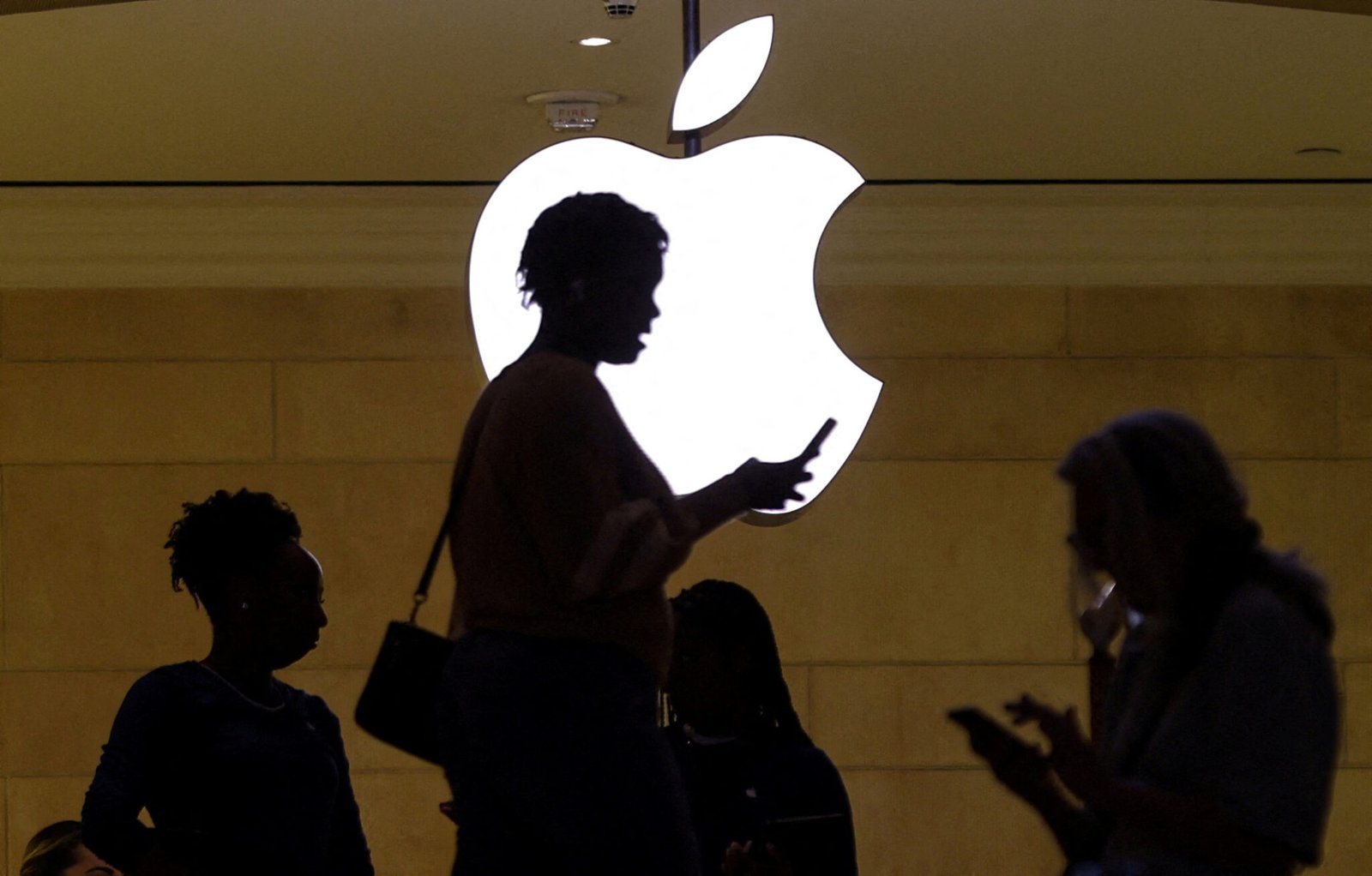
In a surprising reveal, Google has reported that users of Apple iPhones are significantly more likely to receive scam text messages compared to owners of its own Pixel phones. According to Google’s data, iPhone users were approximately 136 % more likely to be targeted by scam texts during a recent survey period. In contrast, Android users overall fared better in terms of avoiding fraudulent messages.
Why Are iPhones Facing More Scam Texts?
Several factors may contribute to the higher scam-text rate reported among iPhone users. First, iPhones dominate the premium smartphone market in many countries, making them attractive targets for phishing and smishing campaigns. Second, while Apple prides itself on strong app-ecosystem control, experts say the operating system offers fewer built-in anti-spam tools compared to newer Android versions. A report from cybersecurity researchers indicated that Android devices were 58 % more likely than iPhones to report zero scam texts during a week-long window.
What This Means for Mobile Users
The revelation marks a shift in the security narrative: owning a higher-end device does not guarantee protection from scams. For iPhone users, the message is clear — vigilance matters more than device brand. Analysts suggest that users should not rely solely on the built-in security reputation of their phone; practices such as verifying links, avoiding app sideloads, enabling strong two-factor authentication, and using trusted messaging filters remain critical. On the other hand, Android’s evolving security architecture — including AI-based scam detection and frequent updates — appears to be giving it an edge in one of mobile users’ most common risk areas.
The Bigger Picture in Mobile Security
The findings underline how cybercriminals are increasingly targeting communication channels like SMS and messaging apps rather than only trying to exploit software vulnerabilities. In this context, platform-wide protections, device architecture and user behaviour all play a role. The new data from Google may prompt Apple to introduce stronger anti-spam text features and encourage users to update security settings. For the global smartphone ecosystem, the takeaway is that the line between device preference and security is thinning — robust behaviour, vigilance and timely updates are becoming as important as the hardware itself.
