

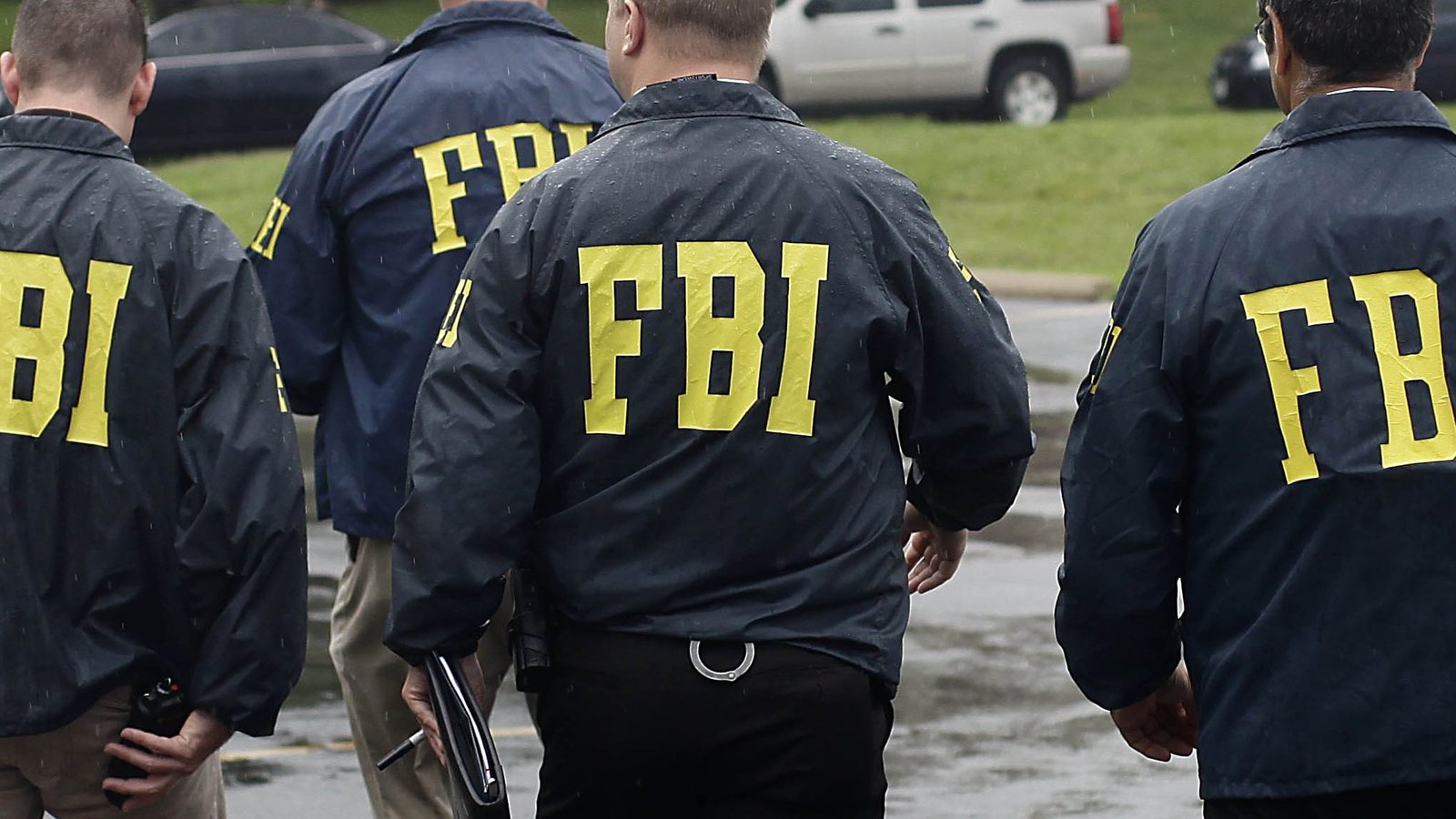
A woman listed among the FBI’s “Most Wanted Fraudsters” has been arrested in Jamaica and extradited to the United States to face charges in an alleged COVID-19 relief fraud involving more than ₹275 crore. US authorities allege that the accused fraudulently obtained government pandemic relief funds by submitting fake business information, forged financial documents, and fabricated tax records under multiple federal assistance programmes. Investigators said the case represents one of the largest COVID-19 financial fraud conspiracies uncovered in recent years and forms part of an ongoing nationwide crackdown on organised financial crime targeting taxpayer-funded relief programmes.
According to US authorities, Elaine Escoe (41) was indicted in 2025 on charges including conspiracy to commit wire fraud, conspiracy to commit money laundering, multiple counts of wire fraud, and money laundering. After a federal arrest warrant was issued in May 2025, she allegedly failed to appear before the court and fled to Jamaica in an attempt to evade prosecution.
Investigators said intelligence gathered by the FBI eventually led Jamaican authorities to locate and arrest Escoe after receiving information about her whereabouts. Officials alleged that she had been living in Jamaica under the false identity of “Harley Newman.” She was subsequently extradited to South Florida through a coordinated operation involving the FBI, the US Marshals Service, the US Department of State’s Diplomatic Security Service, the US Embassy in Kingston, the Jamaican Constabulary Force, and the Jamaica Fugitive Apprehension Team.
According to court documents, Escoe and her alleged co-conspirators submitted or caused the submission of fraudulent applications seeking more than ₹275 crore through several federal COVID-19 relief programmes, including the Paycheck Protection Program (PPP), Restaurant Revitalization Fund (RRF), Shuttered Venue Operators Grant (SVOG), and Economic Injury Disaster Loan (EIDL) programme. Investigators allege the applications falsely represented the existence, payroll, revenue, and business operations of multiple companies to qualify for government financial assistance.
Authorities further alleged that the conspiracy relied on forged tax returns, fabricated bank statements, and other false financial records to support the fraudulent applications. Investigators believe some applications were filed for companies directly controlled by members of the alleged network, while others were submitted on behalf of third parties in exchange for kickbacks amounting to as much as 50% of the sanctioned loan amounts. According to prosecutors, the fraud proceeds were subsequently laundered through multiple financial transactions to conceal their origin.
US officials described the arrest as another significant success under the FBI’s recently launched Most Wanted Fraudsters List, noting that Escoe is the fourth suspect from the list to be captured within five weeks. Investigators also stated that she is the final accused charged in the alleged conspiracy. Earlier, following a federal trial and guilty pleas by other co-accused, several defendants were convicted and sentenced to prison terms ranging from 42 months to 235 months, while additional conspirators received substantial custodial sentences for their roles in the scheme.
The investigation is being led by the FBI’s Miami Field Office with assistance from Homeland Security Investigations (HSI) and other federal agencies. Authorities said the probe remains focused on tracing financial transactions, identifying additional assets acquired through the alleged fraud, and recovering misappropriated public funds. Officials reiterated that pandemic relief programmes were intended to support genuine businesses affected by COVID-19 and that individuals accused of exploiting those schemes would continue to face aggressive investigation and prosecution.
Cybersecurity experts say large-scale financial frauds involving forged corporate documents and fabricated banking records highlight the growing sophistication of organised economic crime. They advise businesses and financial institutions to strengthen verification mechanisms, enhance due diligence during loan processing, and deploy advanced fraud detection systems capable of identifying suspicious financial patterns. Experts also stress that stronger inter-agency cooperation, international intelligence sharing, and cross-border financial investigations remain critical for tracing illicit funds and dismantling transnational fraud networks operating across multiple jurisdictions.
