

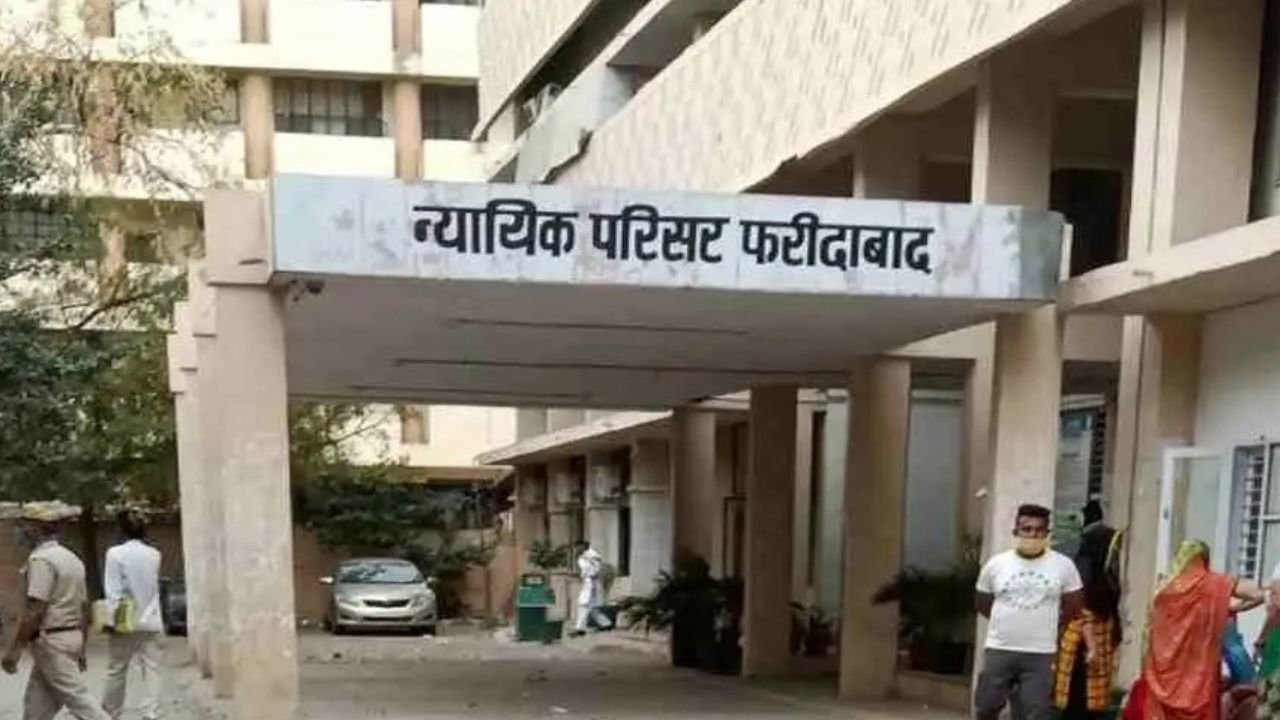

Faridabad. A software engineer accused of allegedly using confidential technical information belonging to his former employer to benefit a newly established company has failed to secure bail. Additional Sessions Judge Lokendra Gupta rejected the bail application of accused Ashutosh Dubey alias Aman, observing that he was technically skilled and that, at this crucial stage of the investigation, the possibility of digital evidence being influenced, altered or destroyed could not be completely ruled out.
The case relates to a software company located in the BPTP area of Faridabad. A case was registered at BPTP police station on August 15, 2026, on the complaint of the company’s authorised representative, Ashish Bhatia. The complaint alleged that some employees left the company and subsequently established a new business while allegedly using confidential technical information belonging to their former employer.
FCRF Launches CP-FRM to Build India’s Next Generation of Fraud Risk Professionals
According to the investigation, Ashutosh Dubey had earlier worked with the company along with his brother Santosh Kumar, accused Poonam and others. The group allegedly resigned from the company and later established a new company under the name M/s Srijan Global Enterprises Pvt Ltd. It has been alleged that the new company used the former employer’s confidential source code, client data, software configurations and other technical information in its operations.
The complaint further alleged that efforts were made to bring some clients of the former company to the newly established business. Investigators have claimed that such alleged use of confidential information could have affected the former employer’s business interests and exposed sensitive commercial information. The investigation is still underway, while some of the co-accused have not yet been arrested.
Opposing the bail plea, the prosecution submitted before the court that important digital material had allegedly been recovered from the accused. The source code and other technical material have been sent for forensic examination. Investigators are examining the extent to which the former company’s confidential information was allegedly used and what benefit the new company may have derived from it.
The defence argued that Ashutosh was merely an employee and was neither a director nor an owner or shareholder of the newly formed company. The defence also cited his family circumstances, submitting that his wife was unwell and pregnant and that there was no adequate arrangement for her care in his absence. The accused has been in judicial custody since August 26.
The court, however, declined to grant bail in view of the current stage of the investigation. It observed that digital evidence was central to the case and that such evidence could potentially be altered, deleted or otherwise influenced. Considering the accused’s technical expertise, the court held that the possibility of interference with digital evidence could not be ignored before completion of the investigation.
Another significant factor before the court was that the forensic examination of the alleged source code and other digital material was still in progress. The prosecution had expressed apprehension that granting bail at this stage could affect the investigation and the preservation of crucial digital evidence.
The case goes beyond the issue of employees leaving an organisation and starting a new company. It involves allegations concerning the use of business-sensitive information, software source code, client data and other digital assets. The investigation will now focus on determining which specific materials belonging to the former employer were allegedly used, how they were obtained and what role they allegedly played in the operations of the new company.
Following the court’s order, the accused will remain in judicial custody for now. Forensic examination of digital devices and the allegedly recovered technical material is continuing, along with the investigation into the roles of other accused persons. Further legal action will depend on the findings of the ongoing investigation.
Follow for daily updates on cybercrime, corporate fraud, DFIR, hacking, investigations, and digital forensics
