Follow us on Google News

The Enforcement Directorate (ED) has arrested a Gujarat-cadre IAS officer, who previously served as a district collector, in connection with an alleged bribery and corruption case, marking a significant escalation in a high-profile investigation into misuse of official position and accumulation of illicit wealth.
According to officials familiar with the case, the arrest follows an extensive probe into allegations that the officer had accepted bribes in exchange for official favours, routed illicit proceeds through shell entities, and accumulated assets disproportionate to known sources of income. The case is being investigated under provisions of the Prevention of Money Laundering Act (PMLA), after the ED took cognisance of a scheduled offence registered earlier by state anti-corruption agencies.
https://the420.in/fcrf-certified-grc-professional-program-governance-risk-compliance-training-india/
From state complaint to central probe
Sources said the ED’s case stems from an FIR initially registered by the Gujarat Anti-Corruption Bureau, which alleged that the officer had abused his administrative authority while posted as a collector to benefit private parties. These alleged favours are believed to be linked to land-related clearances, administrative approvals and regulatory decisions that carried significant commercial value.
Following the registration of the predicate offence, the ED launched a parallel money-laundering investigation, focusing on tracing the financial trail of the alleged bribe amounts. Officials said the probe uncovered a complex web of bank transactions, layered transfers and investments made in the names of associates and entities suspected to be front companies.
Searches, seizures and money trail
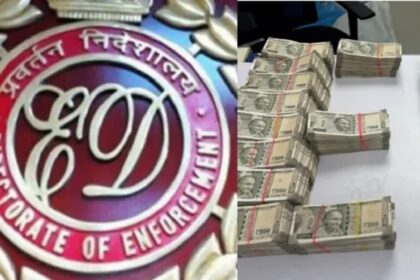
As part of the investigation, the ED conducted multiple searches at residential and office premises linked to the officer and his close associates across Gujarat. During these raids, the agency reportedly seized incriminating documents, digital devices, bank records and property papers, which are now being examined to establish the flow of funds and ownership of assets.
Preliminary findings, officials said, indicate that the alleged proceeds of crime were parked in real estate, fixed deposits and business investments, some of which were allegedly held through proxies. The agency is also examining whether overseas transactions or foreign assets are involved, although no official confirmation has been issued on that aspect.
Custody and legal proceedings
After being taken into custody, the arrested officer was produced before a special PMLA court, which remanded him to ED custody for further interrogation. Investigators are expected to question him on the source of funds, links with private beneficiaries, and the role of intermediaries who allegedly facilitated the bribe transactions.
Legal experts note that custodial interrogation is often sought in such cases to unravel layered financial structures and identify co-conspirators. The ED has indicated that the investigation is ongoing and that further arrests or attachments of assets cannot be ruled out.
Bureaucracy under scanner
The arrest has once again brought the spotlight on corruption within the administrative machinery, particularly involving senior civil servants entrusted with significant discretionary powers. Former collectors wield considerable authority over land, revenue and regulatory matters, making such positions vulnerable to misuse if safeguards fail.
Officials said the case highlights the growing emphasis by central agencies on “following the money” rather than limiting action to the underlying bribery allegation. By targeting assets and financial networks, agencies aim to ensure that corruption does not remain a low-risk, high-reward crime.
Political and administrative reaction
While there has been no formal political response so far, sources in the state administration said the development has caused unease within bureaucratic circles. Senior officials stressed that the arrest should not be seen as an indictment of the entire civil services, but acknowledged that such cases damage public trust and underline the need for stronger internal vigilance.
The Gujarat government has not issued an official statement on the arrest, maintaining that the matter is under investigation by a central agency and is sub judice.
Broader message from ED action
The ED’s move is being viewed as part of a wider national trend of tightening enforcement against corruption and money laundering involving public servants. Over the past few years, the agency has increasingly targeted cases where alleged bribe proceeds are laundered through sophisticated financial mechanisms, rather than remaining as cash transactions.
Experts point out that the use of shell companies, benami properties and layered bank transfers reflects an evolution in corruption patterns, making financial forensics and inter-agency coordination critical tools in enforcement.
What lies ahead
As the investigation progresses, the ED is expected to seek attachment of properties identified as proceeds of crime and may summon additional individuals linked to the case. The outcome of the probe will be closely watched, not only for its legal implications, but also for the signal it sends about accountability at senior levels of governance.
For now, the arrest of a serving IAS officer—who once held one of the most powerful administrative posts in the district—stands as a stark reminder that no position is immune from scrutiny when allegations of corruption intersect with financial crime.
About the author – Ayesha Aayat is a law student and contributor covering cybercrime, online frauds, and digital safety concerns. Her writing aims to raise awareness about evolving cyber threats and legal responses.