
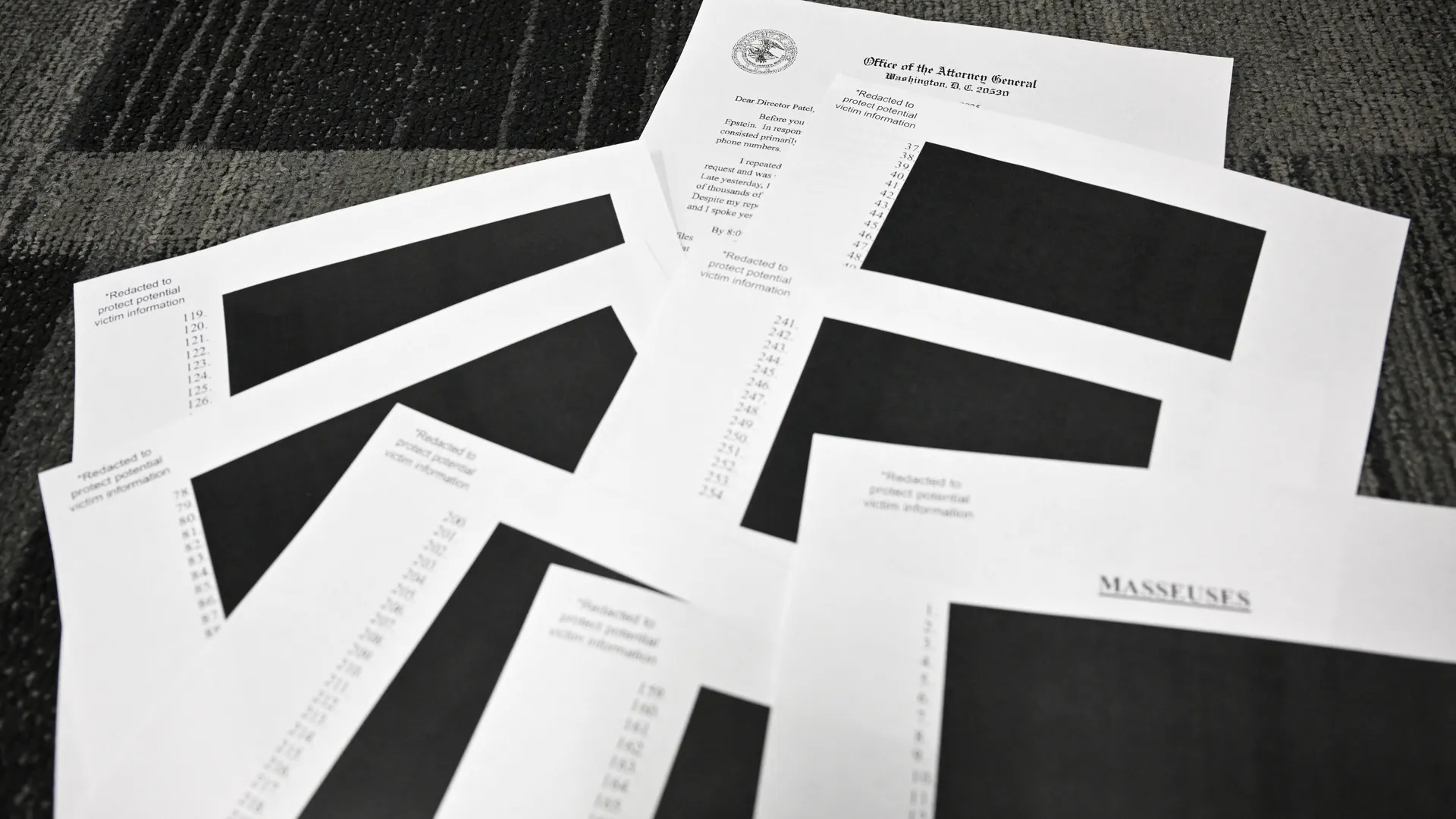
The United States Department of Justice (DOJ) has asked for additional time to complete the release of documents related to convicted sex offender Jeffrey Epstein, after discovering more than one million new records tied to the long-running investigation.
The disclosure, made late on Christmas Eve, came just days after the department failed to meet a congressionally mandated deadline, triggering sharp criticism from lawmakers, renewed public scrutiny, and allegations of institutional opacity in one of the most sensitive cases in recent American legal history.
Massive Discovery Delays Court-Mandated Disclosure
In an official statement, the DOJ said federal prosecutors and the FBI had uncovered a vast new cache of Epstein-related material during an ongoing internal review. The documents, officials said, include investigative files, witness statements, internal communications, and financial records that require extensive vetting before public release.
“The department has identified over one million additional documents that may be responsive to the Epstein Files Transparency Act,” the DOJ said. “Due to the volume and sensitive nature of the material, additional time is required to ensure compliance with legal and privacy protections.”
The announcement marked a significant reversal from earlier assurances by federal authorities that a comprehensive review had already been completed.
Deadline Miss Sparks Political Backlash
The delay has drawn sharp criticism from lawmakers across party lines. A group of 12 U.S. senators, including Senate Majority Leader Chuck Schumer, wrote to Acting Inspector General Don Berthiaume, calling for an independent audit of the Justice Department’s handling of the Epstein files.
“The American public deserves full transparency,” the senators wrote. “The failure to meet a legally mandated deadline raises serious concerns about accountability and compliance with the law.”
The Epstein Files Transparency Act, passed earlier this year, requires the DOJ to release all non-classified records related to Epstein and his associates, while safeguarding victims’ identities.
Justice Department Admits Underestimating Scope
Attorney General Pam Bondi previously stated that federal agencies had already submitted a “truckload” of Epstein-related evidence for review. However, the discovery of over a million additional documents has cast doubt on earlier claims that the review was complete.
According to DOJ officials, many of the newly uncovered records were stored across multiple systems and had not been fully indexed. The department said teams are now working “around the clock” to process and redact sensitive information before public release.
“This is not a delay for delay’s sake,” the DOJ said. “This is about ensuring lawful disclosure while protecting victims and preserving the integrity of ongoing investigations.”
Political Pressure Intensifies
The delay has sparked a rare bipartisan backlash. Senate Minority Leader Chuck Schumer accused the department of failing in its duty to the public.
“A last-minute revelation of over a million files only deepens suspicion,” Schumer said. “The American people deserve to know what is being hidden and why.”
Republican Congressman Thomas Massie, one of the authors of the transparency law, accused the DOJ of violating statutory obligations.
“The law is clear. The deadline was clear. Missing it undermines public trust in the justice system,” Massie said in a post on X.
Several lawmakers have now called for congressional hearings and an inspector general probe into how the review process was conducted.
What the Epstein Files Contain
The Epstein files are among the most closely watched legal records in recent history. They include:
- FBI interview transcripts
- Victim and witness statements
- Flight logs and travel records
- Financial documents
- Court filings and sealed evidence
- Communications with associates and intermediaries
Previously released materials revealed links between Epstein and powerful political, business, and social figures. However, many documents were heavily redacted, drawing criticism from transparency advocates.
Recent disclosures also referenced Epstein’s private jet travel and communications involving high-profile individuals, though officials have stressed that inclusion in documents does not imply wrongdoing.
Victims’ Groups Demand Accountability
Advocacy groups representing Epstein’s victims expressed frustration over the continued delays, saying the slow pace of disclosure prolongs trauma and undermines trust in the justice system.
“Survivors have waited years for the truth to come out,” one victims’ rights advocate said. “Every delay reinforces the belief that powerful people are being protected.”
The Epstein Files Transparency Act was passed in part to prevent such delays and ensure public accountability after Epstein’s death in federal custody in 2019.
White House Responds
The White House defended the Justice Department’s handling of the case, stating that officials are acting within legal boundaries.
“President Trump’s administration remains committed to transparency,” spokesperson Abigail Jackson said. “The additional time requested is necessary to ensure accuracy, legal compliance, and protection of victims’ identities.”
What Happens Next
According to DOJ officials:
- Document review is ongoing
- Additional files will be released in phases
- Sensitive information will be redacted
- An internal audit may be launched
- Congressional oversight hearings remain possible
The department has not provided a new deadline but said disclosures would continue “as soon as legally permissible.”
The delayed release of the Epstein files has reignited public and political scrutiny of how powerful institutions handle cases involving influential figures. With more than a million documents still under review and growing pressure from Congress, the coming weeks could prove pivotal.
As lawmakers push for accountability and victims seek closure, the Epstein case continues to cast a long shadow over the American justice system—raising fundamental questions about transparency, trust, and the rule of law.
