

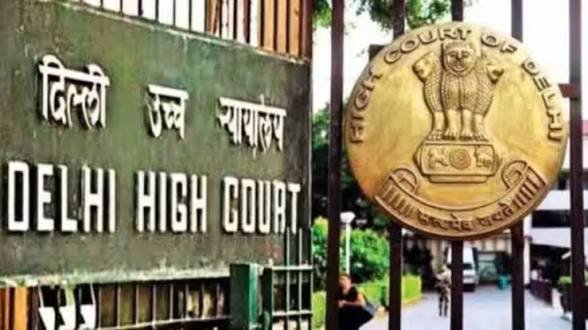

The Delhi High Court has declined to entertain a ₹5 crore lawsuit filed by Niva Bupa Health Insurance Company Limited against social media influencer Vishal Rattewal under its specialised intellectual property jurisdiction, ruling that referencing a company’s registered trademark merely to identify it does not constitute trademark infringement. In an order passed on September 21, Justice Anup J. Bhambhani observed that the dispute did not involve intellectual property rights violations and was therefore not maintainable before the High Court’s Intellectual Property Division. The insurer was subsequently granted permission to withdraw the lawsuit and refile the matter as an ordinary civil suit, subject to paying a token cost of ₹1 to the influencer.
Allegations of Brand Disparagement Across Platforms
Niva Bupa approached the High Court seeking urgent removal of allegedly offensive social media publications shared during the final week of August across Instagram, Facebook, YouTube, and X. The company submitted that Rattewal, an online creator with a considerable following, prominently incorporated its corporate name, registered marks, and visual brand assets into video titles, thumbnails, captions, and related commentary. According to the insurer, the influencer’s publications unlawfully linked its trade name to allegations of deception, fraud, dishonesty, and unfair commercial practices, inflicting significant harm on its professional reputation.
Alongside demands for an immediate takedown of the disputed content, the insurer claimed ₹5 crore in punitive damages, a comprehensive public apology, and associated litigation expenses. The company maintained that the deliberate deployment of its registered trademark within negative public videos went beyond fair discourse, arguing that such usage infringed upon its statutory protections under intellectual property law and directly compromised its corporate standing.
Dispute Traced to Consumer Commission Ruling
The social media campaign stemmed from an underlying consumer dispute initiated by a complainant named Neeraj Kumar against Niva Bupa before the District Consumer Disputes Redressal Commission in Charkhi Dadri, Haryana. On October 9, 2024, the district commission issued an order in Kumar’s favour, including specific judicial observations concerning the practices of medical insurance firms. Following that verdict, Rattewal published online commentary addressing the regulatory proceedings and the insurer’s business operations.
The insurer claimed that Rattewal used the consumer commission’s findings as a basis to circulate disparaging content targeting its organisation. It contended before the bench that coupling its trademark with accusations of fraudulent commercial operations warranted prompt judicial restraint and legal remedies. The action was consequently framed as an intellectual property infringement claim before the court’s dedicated division.
Court Distinguishes Corporate Identification from Commercial Trade
Justice Bhambhani rejected the company’s trademark infringement argument, noting that the influencer was neither engaged in the insurance sector nor associated with any competing commercial enterprise. The bench determined that deploying the company’s registered name to refer to the corporate entity did not qualify as trademark use in the course of trade as defined under the Trade Marks Act. Because the complaint lacked valid intellectual property violations, the court ruled the matter outside the purview of the Intellectual Property Division.
The court made clear that its decision focused exclusively on jurisdictional appropriateness and the specific legal classification of the claims, without ruling on the factual truth of the allegations or determining whether the online posts were defamatory. Following the bench’s decision to return the plaint, Niva Bupa sought permission to withdraw the matter. The court allowed the withdrawal, granting liberty to file an ordinary civil action on the same cause of action upon payment of the ₹1 token fee, leaving the substantive allegations to be evaluated under standard civil law.
Follow for daily updates on cybercrime, corporate fraud, DFIR, hacking, investigations, and digital forensics
