
Follow us on Google News

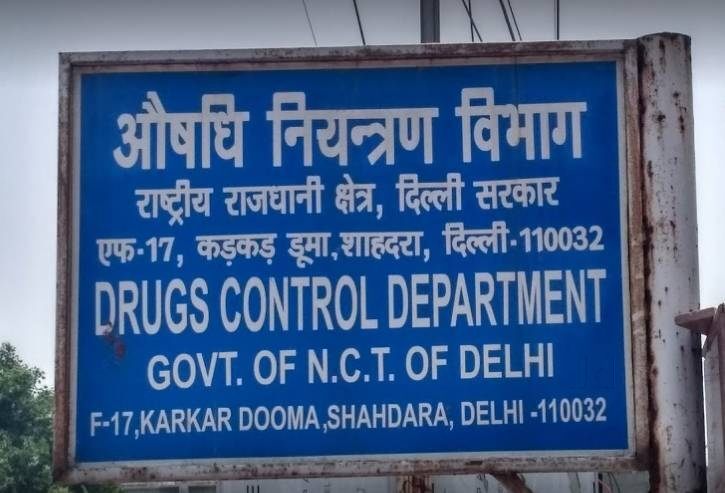
The Delhi government has accelerated its enforcement drive against the distribution and retail of spurious, adulterated, and unlicensed pharmaceuticals across the capital, uncovering extensive non-compliance in the sector. Over the course of the previous quarter, the Drugs Control Department carried out 569 regulatory inspections across various medical establishments, identifying 272 instances of statutory violations. Regulatory scrutiny revealed that 86 of these recorded infractions involved habit-forming formulations and psychotropic substances. The department also lifted 43 formal pharmaceutical samples for detailed laboratory testing, with 26 samples failing quality benchmarks after being verified as spurious or adulterated. Emphasising a zero-tolerance position against illicit pharmaceutical operations, Health Minister Dr. Pankaj Kumar Singh stated that sustained market inspections, laboratory testing, and inter-agency enforcement operations remain underway to ensure that citizens receive safe, authentic, and quality-tested therapeutic products. He noted that coordinated tracing mechanisms with the Delhi Police and partner authorities would be expanded to track legitimate distribution chains and dismantle illegal distribution networks.
Joint Raid in Daryaganj Leads to Major Medicine Seizure
Enforcement measures on the ground yielded significant operational results following targeted intelligence sharing between civic regulators and police personnel. Acting on specific inputs, a joint operational team comprising officials from the Drugs Control Department and the Delhi Police conducted a targeted raid near the T-point on Padam Chand Marg in Daryaganj. A suspect was intercepted at the location, and an extensive search of his private vehicle led to the discovery of five large commercial cartons containing pharmaceutical stocks. The confiscated inventory contained high-demand branded formulations, including Bio-D3 Plus, Voveran SR-100, and Amaryl MV 2 mg, possessing an estimated total valuation of approximately Rs 13.29 lakh. Preliminary scrutiny of the seized consignments revealed severe statutory violations, as several packaging strips of Voveran SR-100 completely lacked mandatory manufacturer declarations, including batch numbers, manufacturing dates, expiration details, and maximum retail prices.
Extensive Sampling and Testing Documented Across Capital
Beyond targeted field interdictions, regulatory teams sustained large-scale statutory sampling across wholesale channels, retail chemists, and distribution nodes during the quarterly cycle. The department subjected 433 valid drug samples to comprehensive laboratory analysis to verify active pharmaceutical ingredients and therapeutic standards. Concurrently, inspectors gathered 3,673 wide-ranging survey samples and lifted 30 cosmetic product samples to check for adulteration and unauthorized compositions. Among the cosmetic lots tested, findings were concluded for 19 product batches, out of which two samples failed to meet mandated regulatory quality benchmarks. Regulators are pursuing administrative action against the concerned non-compliant manufacturers and vendors based on these laboratory determinations.
Multiple FIRs and Legal Proceedings Initiated Under Drug Laws
The escalation in regulatory surveillance translated into immediate judicial and punitive steps against offenders operating outside the legal framework. The department initiated six formal legal cases against individuals and commercial syndicates accused of trading in counterfeit and spurious medicines. Two additional legal proceedings were registered for operating without mandatory statutory licenses and distributing unauthorized medical goods or equipment. Furthermore, joint field enforcement conducted alongside the Narcotics Control Bureau and the Delhi Police led to the registration of six First Information Reports under the stringent provisions of the Narcotic Drugs and Psychotropic Substances Act. Authorities maintain that continuous field inspections, surprise raids, and supply-chain scrutiny will persist to protect public health and curb illegal medicine syndicates.