
Follow us on Google News

E-commerce and payment processing company Cleverbridge has confirmed a security breach in which hackers gained unauthorised access to its systems and stole customers’ payment card information, including credit card numbers, expiration dates and security verification codes.
The company detected suspicious activity on November 4, 2026, and temporarily took affected systems offline to contain the incident. Subsequent investigations established that an unauthorised third party had copied payment card information stored on its platform.
Cleverbridge began notifying affected customers on November 20, warning that their financial information may have been compromised.
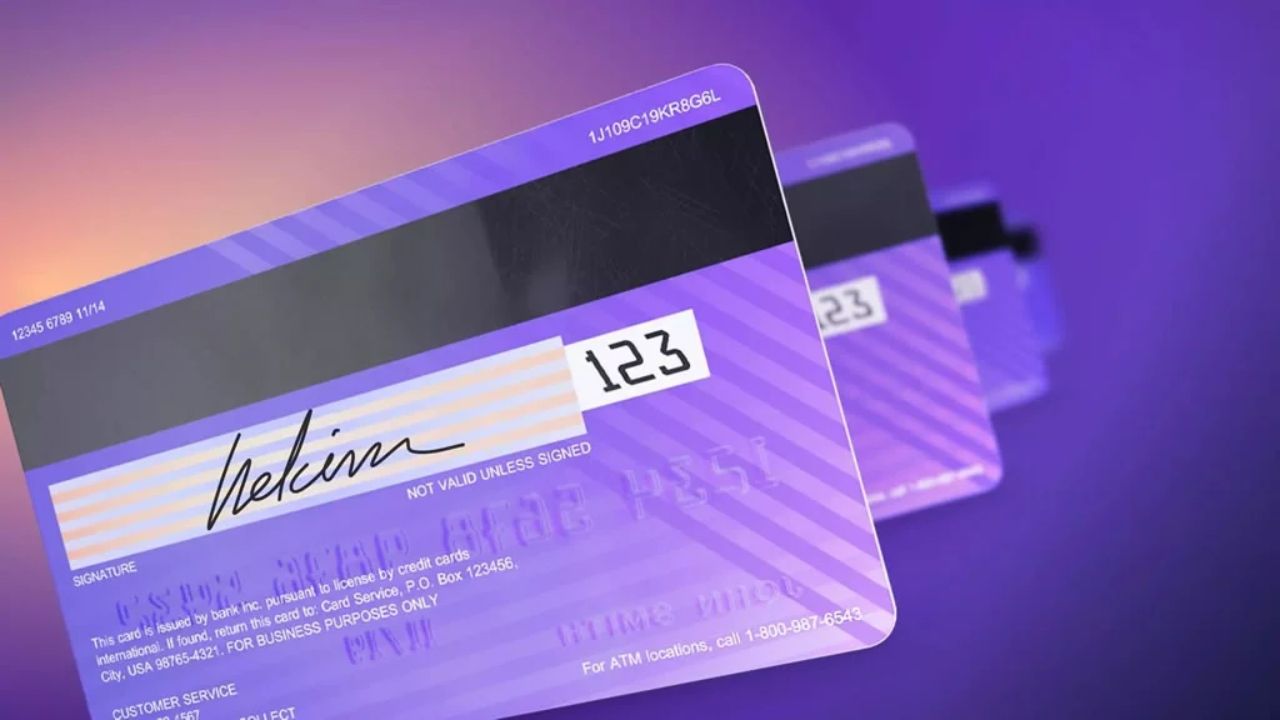
The breach has raised concerns because the exposed information included CVV and CVC security codes, which are used to verify payment card transactions.
The company has not disclosed the number of affected customers, how the attackers gained access to its systems or how long the unauthorised activity continued.
FCRF Launches Certified Chief Risk Officer (CRO) Program for India’s Risk Leaders
What Customer Information Was Stolen in the Cleverbridge Breach?
Cleverbridge provides e-commerce infrastructure to software and Software-as-a-Service (SaaS) businesses, enabling companies to sell digital products, process payments and manage customer subscriptions.
Its publicly listed clients include technology companies such as Red Hat, SUSE, Tenable, Veeam, Jamf, Sony and Parallels.
However, Cleverbridge has not identified which businesses or their customers were affected by the security incident.
According to the company’s disclosure, investigators determined that an unauthorised third party had copied payment card information from its systems.
A breach notification sent to an affected customer confirmed that the compromised information included the payment card number, expiration date and card verification code, commonly known as CVV or CVC.
The notification stated that other personal information, including the customer’s name, contact details and billing information, had not been copied in that particular case.
The company’s broader disclosure indicates that CVV information was exposed in a minority of cases.
The theft of card verification codes is particularly concerning because these numbers are commonly required to authenticate online payment transactions.
When payment card numbers, expiration dates and security codes are exposed together, criminals may be able to attempt fraudulent transactions using the compromised information.
Cleverbridge has not confirmed whether the stolen card details have been used in fraudulent purchases.
How Did Hackers Access Cleverbridge’s Payment Systems?
Cleverbridge said it identified unauthorised activity on November 4 and immediately took steps to contain the security incident.
The company temporarily shut down affected systems while investigating the suspicious activity.
All systems were restored on the same day, but the investigation subsequently established that payment card information had been copied by an unauthorised third party.
Cleverbridge confirmed that the incident was not a ransomware attack.
The attackers did not encrypt the company’s systems or deploy ransomware as part of the reported breach.
However, the company has not publicly explained the method used to gain access to its platform.
It has also not disclosed whether the stolen payment card information was encrypted while stored or how the attackers were able to obtain card verification codes.
The duration of the attackers’ access and the total number of affected individuals remain undisclosed.
The incident has drawn attention to the security risks facing third-party payment processors that handle financial information on behalf of multiple businesses.
A compromise involving such a provider can potentially expose customers who have made purchases through different merchants using the same payment infrastructure.
In this case, Cleverbridge has not identified the merchants associated with the affected transactions.
What Should Affected Customers Do After the Data Breach?
Cleverbridge began sending breach notifications to affected customers on November 20, informing them about the exposure of their payment card information.
The company has also notified relevant data protection authorities, law enforcement agencies, payment card networks and payment partners.
As part of its response, Cleverbridge is working with TransUnion’s Cyberscout to distribute notifications and provide complimentary credit monitoring and fraud assistance to affected customers.
The company has advised cardholders to review their payment card statements for unfamiliar or unauthorised transactions.
Customers have also been encouraged to contact their card issuers to discuss the incident and determine whether their compromised cards should be replaced.
Banks may decide to issue replacement cards depending on their assessment of the risks associated with the exposed information.
Cleverbridge has stated that it is continuing to address the incident and support affected customers.
The breach highlights the financial risks arising from the theft of payment card information held by third-party service providers.
While the company has restored its systems and initiated customer notifications, the exposure of card numbers, expiration dates and verification codes creates a potential risk of payment fraud for affected cardholders.
The number of individuals impacted by the incident and the circumstances that allowed the attackers to access the payment information have not been publicly established.
About the author — Suvedita Nath is a science student with a growing interest in cybercrime and digital safety. She writes on online activity, cyber threats, and technology-driven risks. Her work focuses on clarity, accuracy, and public awareness.