
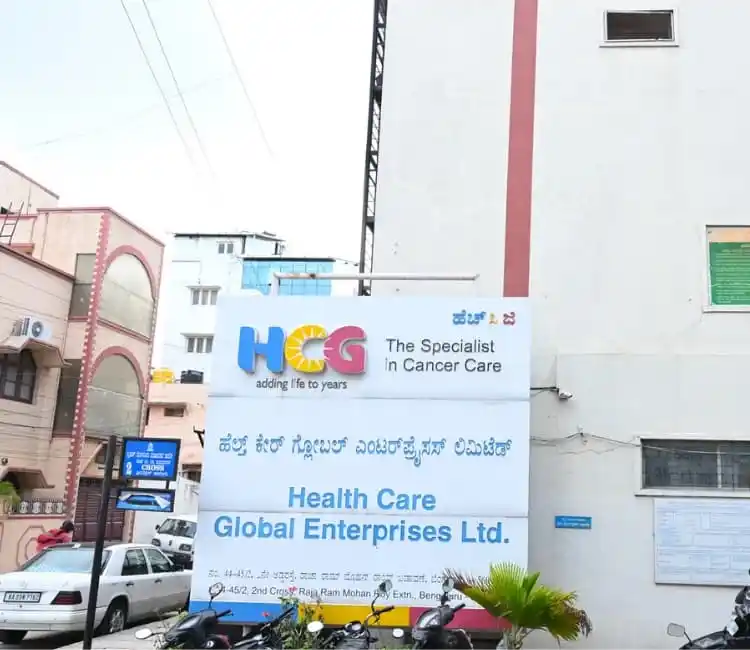
In a significant regulatory action aimed at reinforcing patient safety in medical research, the Central Drugs Standard Control Organisation (CDSCO) has barred a prominent unit of HCG Cancer Hospital in Bengaluru from conducting new clinical trials for the next 24 months. The suspension order, signed by Drug Controller General of India (DCGI) Dr. Rajeev Singh Raghuvanshi, specifically targets the central Ethics Committee (EC) of the hospital’s Kalinga Rao Road (KRR) unit following a comprehensive review of structural safety violations.
The enforcement mandate was executed under the New Drugs and Clinical Trials Rules, 2019, after multi-agency risk-based inspections revealed severe deficiencies in participant protection frameworks. While the administrative ban temporarily halts the expansion of the hospital’s research pipeline, officials clarified that the operational restriction does not impact routine clinical operations, patient consultations, or standard healthcare delivery at the oncology facility.
Registration Begins for FutureCrime Summit 2026, India’s Largest Cybercrime Conference
Unreported Serious Adverse Events and Casualties
The regulatory crackdown stems from joint inspections conducted by central and state drug regulatory bodies at the HCG Bangalore Institute of Oncology. Investigators discovered a systematic failure to report serious adverse events (SAEs), including severe patient injuries and clinical trial casualties, within the legally mandated timelines.
The technical evaluation exposed deep cracks in the committee’s reporting protocol. According to official case data, the facility failed to timely log at least three distinct cases each of trial-related patient injuries and deaths with the Central Licensing Authority. Furthermore, detailed clinical parameters for four additional cases of severe physical impairment and trial-site fatalities were completely withheld from state regulatory review files.
In one documented protocol violation, a patient developed progressive liver disease during an ongoing study. The hospital’s tracking module initially classified the complication as unrelated to the trial and later recorded a false recovery entry. Forensic audits subsequently revealed that the participant was left with zero documented follow-up care or mandatory free medical screenings after being discharged from the facility.
Undisclosed Conflicts of Interest
Beyond delayed casualty reporting, the CDSCO flagged major ethical compromises regarding institutional transparency. The central agency’s order noted that the KRR unit failed to obtain mandatory “no conflict of interest” disclosures from its sitting panel members.
The administrative breakdown was highlighted by a severe procedural conflict. During a review of active protocols, inspectors established that a primary member of the Ethics Committee—the multidisciplinary body legally responsible for safeguarding volunteer well-being—was simultaneously serving as the Principal Investigator for the very clinical trials under committee review. Despite this clear intersection, the hospital recorded declarations falsely stating that no institutional conflicts existed.
The data matching check also revealed that the committee held official review meetings in 2022 that completely failed to meet statutory quorum requirements, yet still proceeded to process clinical trial approvals. Due to these combined violations, the regulator debarred a leading Principal Investigator at the site from undertaking fresh human trials alongside the 24-month institutional suspension.
CAPA Implementation and Ongoing Trial Mandates
In a regulatory filing to the stock exchanges, Healthcare Global Enterprises Limited stated that it is evaluating the available legal remedies to challenge the suspension. The healthcare network emphasized that the restriction remains strictly limited to the KR Road Ethics Committee and carries no structural impact on the financial operations or general patient-care services of the broader hospital chain.
To ensure the protection of volunteers currently enrolled in existing programs, the CDSCO has ordered the hospital to maintain strict, unhindered supervision over all ongoing clinical studies. The facility is required to submit comprehensive monthly participant safety reports to the CDSCO Zonal Office in Bengaluru.
Additionally, the central licensing cell has directed HCG to submit an immediate Corrective and Preventive Action (CAPA) blueprint, alongside mandatory casualty assessment reports detailing statutory financial compensation for the families of the affected trial participants.
