
Follow us on Google News

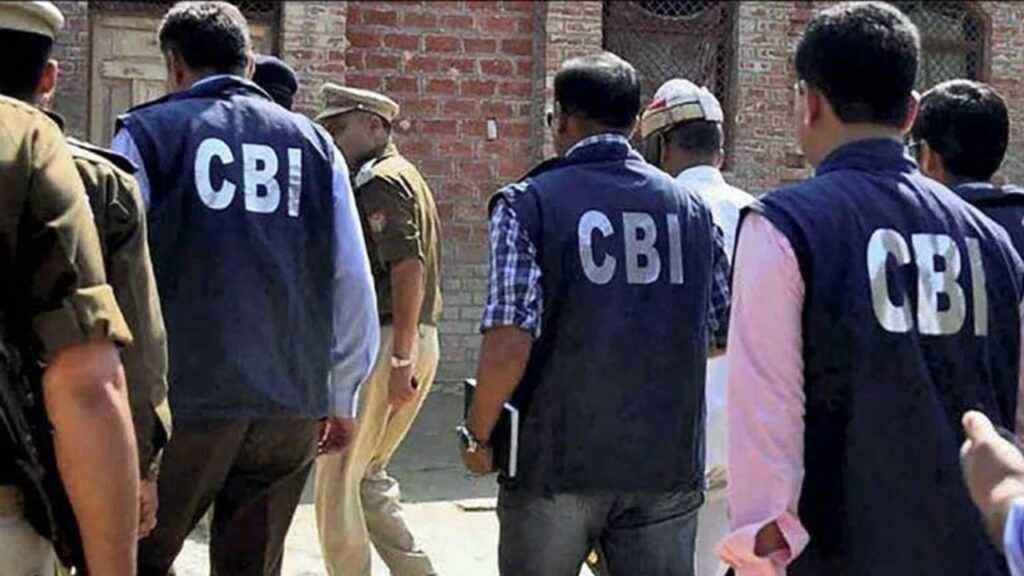
The Central Bureau of Investigation (CBI) has recovered cash, gold and silver worth approximately ₹1.86 crore from the residence of a Central Goods and Services Tax (CGST) superintendent in Panchkula, Haryana, who was arrested earlier this week for allegedly accepting a ₹10 lakh bribe from a businessman.
The recovery was made during searches conducted on November 20 at the residence of Luvkush Kumar, a day after the anti-corruption agency allegedly caught him accepting the bribe during a trap operation.
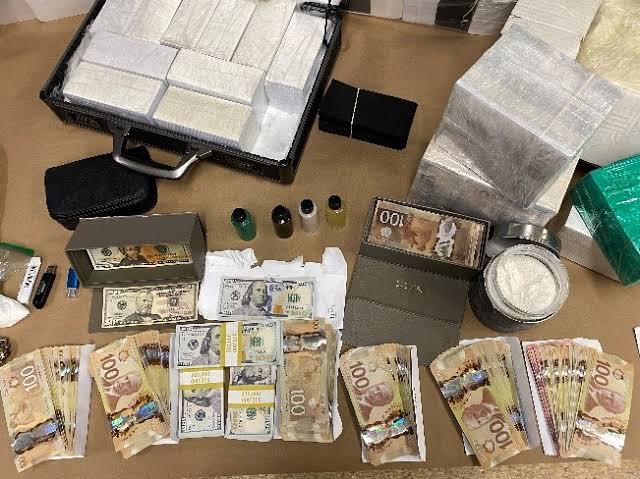
According to the CBI, the seized valuables include Indian and foreign currency, gold and silver bullion, and jewellery. Investigators also recovered documents relating to bank accounts, investments, insurance policies, vehicles and immovable properties.
FCRF Launches Certified Chief Risk Officer (CRO) Program for India’s Risk Leaders
What Did the CBI Recover During the Searches?
During the search of Kumar’s residence, CBI officials allegedly recovered Indian currency worth ₹24.29 lakh and foreign currency valued at approximately ₹15.65 lakh.
The agency also seized gold and silver bullion and jewellery with an estimated combined value of ₹1.46 crore.
Together, the cash and precious metals were valued at approximately ₹1.86 crore.
Apart from the valuables, investigators recovered documents relating to six bank accounts, investment portfolios, life insurance policies and several immovable properties.
Records concerning vehicles owned by Kumar and his family members were also found, along with documents detailing financial transactions.
The recovery has added a financial dimension to the investigation, with the agency examining records associated with the arrested official and his assets.
How Was the GST Officer Caught Accepting a ₹10 Lakh Bribe?
The CBI arrested Kumar on November 19 after laying a trap in Panchkula following a complaint from a businessman associated with a private firm.
According to the complaint, the CGST superintendent had initially demanded ₹50 lakh in exchange for extending undue favours in GST proceedings involving the company.
The alleged favours included avoiding heavy penalties and preventing the issuance of further tax demand notices against the firm.
CBI spokesperson Beena Yadav stated that the initial bribe demand was negotiated down to ₹20 lakh, with ₹10 lakh proposed as the first instalment.
However, the agency subsequently found that Kumar had allegedly increased the demand to ₹25 lakh while agreeing to accept ₹10 lakh as the initial payment.
The CBI said its verification process prima facie substantiated the allegations of illegal gratification.
Following the verification, investigators organised a trap operation and allegedly caught the officer red-handed while accepting ₹10 lakh from the complainant.
Financial Records Come Under Scrutiny After Arrest
The recovery of substantial cash and precious metals during the subsequent search has brought Kumar’s financial records under examination as part of the corruption investigation.
Investigators recovered banking, investment and property-related documents that could assist in examining the financial transactions and assets associated with the accused official.
The records include details of six bank accounts, insurance policies, investment holdings, immovable properties and vehicles linked to Kumar and his family members.
The bribery allegations concern the alleged misuse of official authority in GST proceedings, where the accused is suspected of demanding money in exchange for favourable treatment of a private firm.
The latest searches represent a further development in the investigation following Kumar’s arrest on November 19.
The CBI’s reported recovery of assets worth approximately ₹1.86 crore has expanded the scope of the financial examination, while the bribery allegations and circumstances surrounding the recovered valuables remain subject to investigation and judicial proceedings.
About the author — Suvedita Nath is a science student with a growing interest in cybercrime and digital safety. She writes on online activity, cyber threats, and technology-driven risks. Her work focuses on clarity, accuracy, and public awareness.