

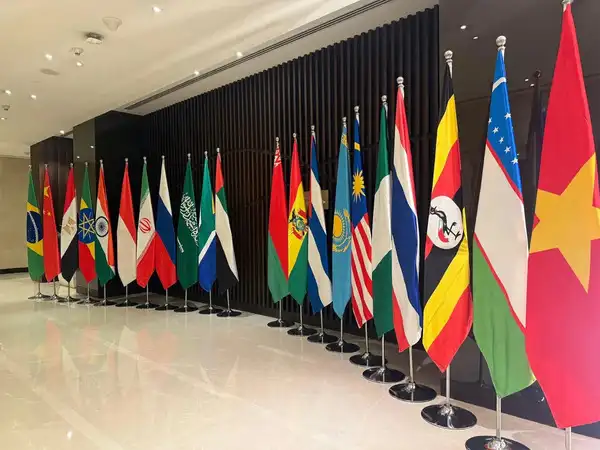

Amid the rapid proliferation of sophisticated technologies and highly organized transnational criminal syndicates, India has formally proposed the creation of a dedicated BRICS Virtual Working Group to combat international drug trafficking. Describing the evolving architecture of narcotics smuggling as a severe and complex global security threat, Indian authorities introduced the specialized framework during the inaugural session of a two-day high-level assembly in Guwahati.
The summit brought together the heads of drug control agencies from all BRICS member countries, providing a crucial platform to address the geopolitical vulnerabilities exploited by modern smuggling cartels. The proposed mechanism is engineered to establish a permanent channel for real-time intelligence sharing, significantly improve operational coordination during joint law enforcement campaigns, and build unified defenses against emerging criminal tactics.
The urgency of this multilateral initiative was heavily underscored by Narcotics Control Bureau (NCB) Director General Anurag Garg, who emphasized that narcotics distribution networks have broken completely free of regional boundaries. In the modern enforcement landscape, international syndicates are heavily leveraging advanced communication technologies, encrypted digital platforms, and complex dark-web networks to manage illicit supply chains.
This technological pivot has effectively transformed drug trafficking from a localized policing issue into a highly fluid global challenge that completely disregards traditional administrative borders. The proposed virtual framework aims to dissolve these historical communication gaps, granting investigative agencies across member states the agility needed to analyze shifting trafficking patterns and execute synchronized tactical interventions.
Beyond establishing immediate lines of communication, the BRICS delegations focused their strategic dialogues on three critical operational priorities to build a resilient, drug-free international society. A primary area of concern involves implementing aggressive measures to prevent the systemic misuse and cross-border diversion of synthetic drugs and precursor chemicals, which are increasingly driving global addiction spikes. To counter this trend effectively, member nations committed to expanding cross-border training initiatives and standardizing institutional cooperation to strengthen the field capabilities of frontline enforcement officers.
By fostering a continuous exchange of investigative best practices, the BRICS alliance aims to construct a highly coordinated, tech-forward security shield capable of dismantling sophisticated trafficking infrastructure across the Indo-Pacific and beyond.
