

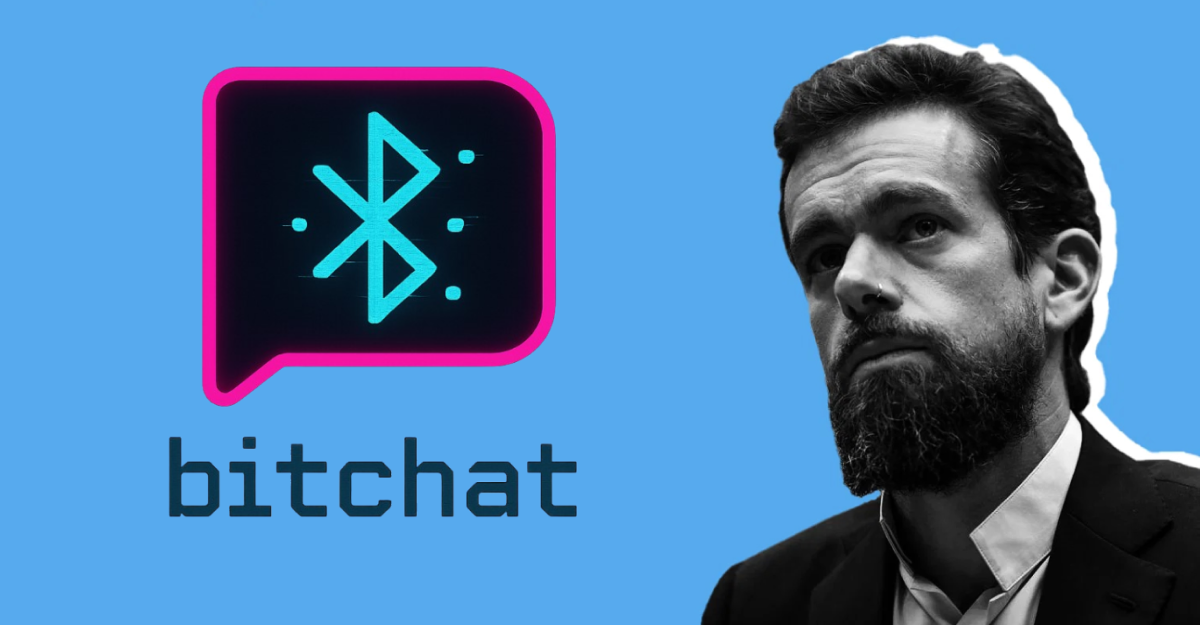
As governments across the world increasingly resort to internet shutdowns during periods of unrest, a little-known messaging app is drawing global attention for enabling communication without mobile data, Wi-Fi or even cellular networks. BitChat, an offline messaging application developed by Twitter co-founder and former CEO Jack Dorsey, has witnessed a surge in downloads in countries such as Iran and Uganda, where authorities have imposed sweeping internet restrictions amid protests.
Internet shutdowns have become a common tool for governments seeking to maintain law and order, curb the spread of misinformation, or prevent coordinated mobilisation during demonstrations. However, rights groups have long argued that such measures also restrict access to information and obscure potential human rights violations. Against this backdrop, BitChat has emerged as an alternative channel for communication when conventional digital platforms go dark.
Certified Cyber Crime Investigator Course Launched by Centre for Police Technology
Why BitChat Is Gaining Popularity
Unlike mainstream messaging platforms such as WhatsApp, Telegram or Facebook Messenger, BitChat does not rely on mobile data or broadband connectivity. The app can function entirely offline, allowing users to exchange messages even when internet access is completely cut off.
The app has gained particular traction among protesters, activists and civil society groups who are seeking ways to communicate securely during network blackouts. Notably, BitChat does not require users to register with a phone number, email address or SIM card, making it attractive in regions where digital surveillance is a concern.
BitChat was launched in July last year, with Dorsey reportedly building the app within a week. He has publicly stated that the project was inspired by his belief that the internet should be decentralised and resilient to censorship. Dorsey has also acknowledged that the concentration of digital infrastructure in the hands of a few companies has made global communication vulnerable to state control.
How BitChat Works
At its core, BitChat is an offline messaging application powered by Bluetooth mesh networking technology. Instead of transmitting data through the internet, the app uses Bluetooth to send messages directly between nearby devices.
Each phone running BitChat acts as a node in a mesh network. If the recipient is outside the immediate Bluetooth range—typically between 30 and 100 metres—the message is relayed through other BitChat users’ devices until it reaches its destination. This peer-to-peer system allows messages to travel across a crowd without relying on any central infrastructure.
Because the app functions independently of telecom networks, it remains operational even during complete internet and mobile signal shutdowns. Experts note that such mesh-based systems have previously been used in disaster response and protest movements, but BitChat has brought the concept to a mainstream mobile audience.
Focus on Privacy and Security
Privacy is a central feature of BitChat’s design. The app uses end-to-end encryption, ensuring that messages cannot be read by intermediaries as they pass through the mesh network. Messages are broken into small data packets and automatically deleted after a short period, reducing the risk of long-term data exposure.
Crucially, BitChat does not store user data on central servers. All messages remain on local devices, eliminating the possibility of cloud-based surveillance or mass data seizures. This decentralised architecture makes it difficult for authorities to monitor conversations or shut down the service through conventional means.
Why Governments Find It Hard to Control
Because BitChat lacks central servers and does not depend on internet connectivity, blocking or censoring the app poses a significant challenge for authorities. Traditional measures such as throttling bandwidth, disabling mobile data or ordering app takedowns from app stores have limited impact once the software is already installed on devices.
Security analysts point out that while this makes BitChat a powerful tool for free expression, it also raises concerns about misuse. As with any encrypted communication platform, there are fears that such technology could be exploited by criminal networks or extremist groups.
A Growing Debate on Digital Freedom
The rapid rise of BitChat in regions facing internet shutdowns underscores a broader shift in how people communicate under restrictive conditions. As governments tighten control over digital infrastructure, developers are increasingly exploring decentralised alternatives that operate beyond traditional networks.
Technology experts say BitChat’s popularity signals a changing digital landscape, where resilience and autonomy are becoming as important as speed and convenience. Whether such tools remain niche or reshape mainstream communication will depend on how governments, regulators and users respond to the growing demand for censorship-resistant technologies.
For now, BitChat’s spread in Iran and Uganda has placed it at the centre of a global debate on internet freedom, privacy and the future of digital communication in an era of frequent shutdowns.
About the author – Ayesha Aayat is a law student and contributor covering cybercrime, online frauds, and digital safety concerns. Her writing aims to raise awareness about evolving cyber threats and legal responses.
