

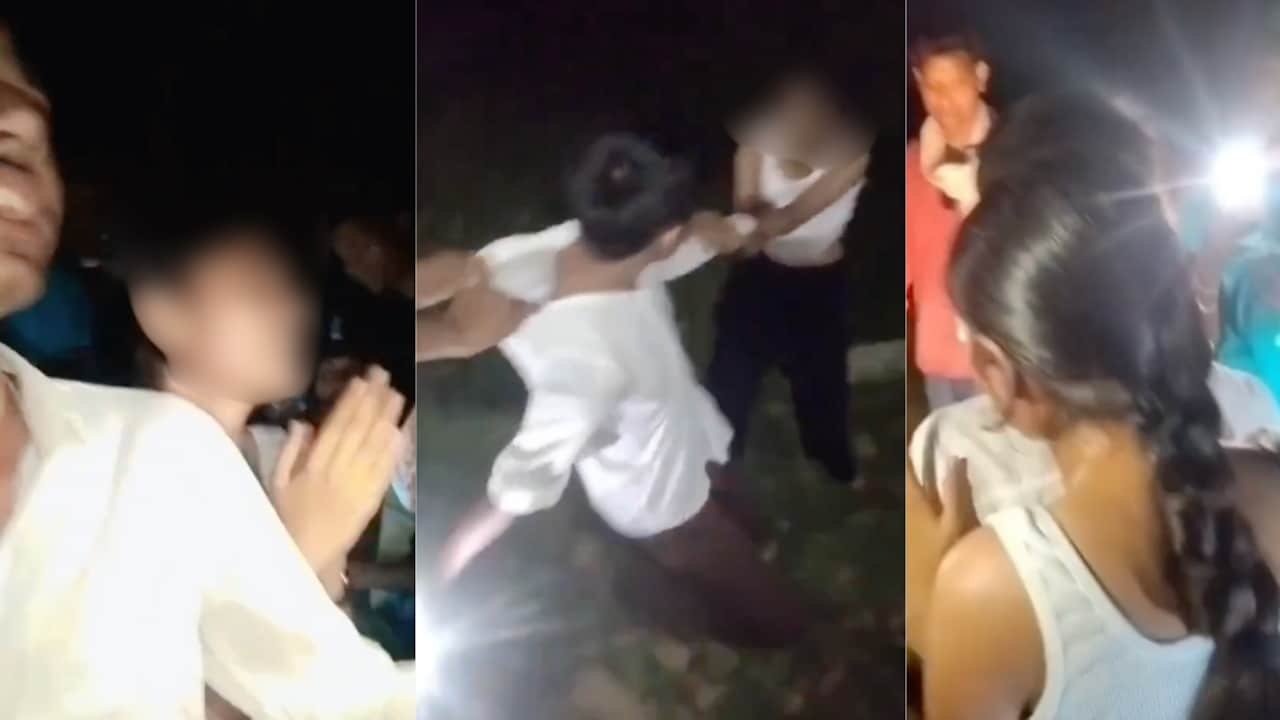
Bihar Police have booked a social media user for allegedly uploading AI-generated videos of a girl and her male friend.
What action have police taken?
Bihar Police have registered a case against a social media user accused of uploading several AI-generated videos involving a girl who had been molested by a group of people in Jamui district and her male friend.
Police identified the user ID as Kishori Kumar Yadav and described the uploaded videos as “misleading and fake”. Jamui police said the circulation of the clips resulted in the girl’s identity being revealed and could affect social harmony.
The case has been registered at the Cyber Police Station under relevant provisions of the Bharatiya Nyaya Sanhita, the POCSO Act, the Juvenile Justice Act and the Information Technology Act, according to the police statement.
Proposal for Conducting Cyber Crisis Drill, Tabletop Exercise (TTEx) & CCMP Readiness Exercise
Why did the videos raise concern?
The police action centres on AI-generated material that allegedly depicted the girl and her friend after the original incident had already attracted attention on social media.
Authorities said the AI-generated videos were misleading and fake. Their circulation created an additional concern because the girl’s identity was revealed through the uploaded material.
Jamui police, in a statement issued on Friday night, specifically raised concerns about the potential impact on social harmony. The case therefore concerns not only the alleged creation and circulation of misleading AI-generated content but also the consequences of publishing material connected to the girl.
What happened in the original incident?
The girl and her male friend, both of whom studied at a coaching institute, were harassed by a group of people on the evening of September 19. The matter came to public attention two days later after a video of the incident went viral on social media.
Police subsequently took action against those accused in the harassment case. Three of the accused were found to be minors. They were apprehended and produced before the Juvenile Justice Board. Two other accused were arrested following an encounter, during which one of them received a bullet injury.
The later appearance of AI-generated videos involving the girl and her friend added a separate digital dimension to the case, prompting action by the Cyber Police Station against the social media user accused of uploading them.
What laws have been invoked?
Police said the cyber case was registered under relevant sections of four laws: the Bharatiya Nyaya Sanhita, POCSO Act, Juvenile Justice Act and Information Technology Act. The specific sections invoked were not stated.
The action follows the alleged circulation of artificial intelligence-generated videos that police have categorised as misleading and fake. Authorities have also linked the circulation of the clips to disclosure of the girl’s identity.
The case brings attention to the use of AI-generated material on social media in connection with a sensitive incident involving a girl. In this instance, police have treated the allegedly fabricated videos as a separate matter requiring cyber investigation and legal action.
The police statement makes clear that the concern extends beyond whether the videos were genuine. Investigators are also examining their publication in the context of identity disclosure and its possible effect on social harmony, while the earlier harassment case has already resulted in action against five accused.
Follow for daily updates on cybercrime, corporate fraud, DFIR, hacking, investigations, and digital forensics
