
Follow us on Google News

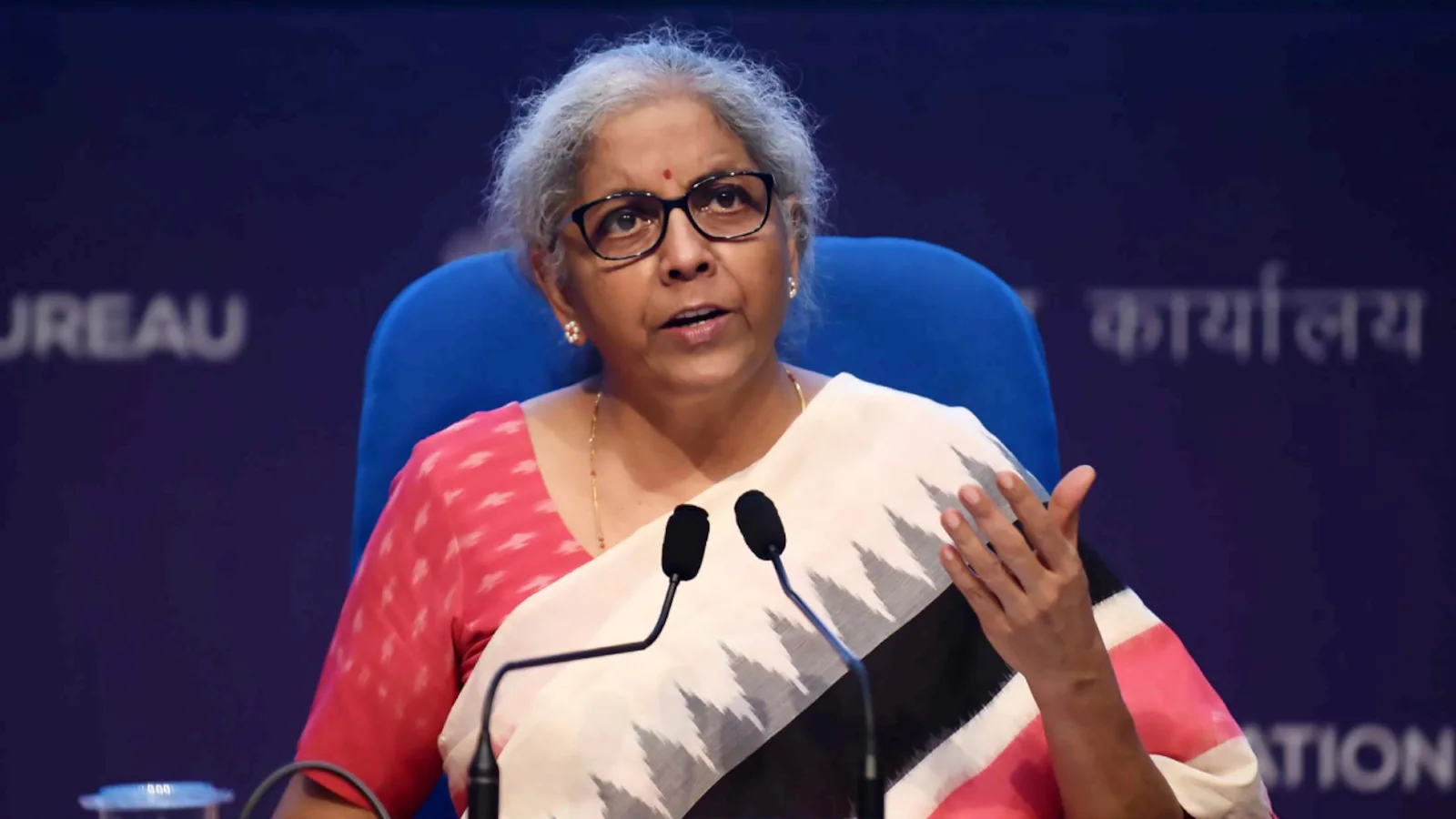
Finance Minister Nirmala Sitharaman has dismissed concerns that the privatization of state-owned banks would negatively impact financial inclusion or the national interest. Speaking at the Delhi School of Economics, she emphasized that professional management and board-driven decision-making in banks would enhance their effectiveness while continuing to serve all sections of society.
https://the420.in/centre-for-police-technology-launched-as-common-platform-for-police-oems-and-vendors-to-drive-smart-policing/
Nationalization vs Privatization Outcomes
Sitharaman noted that while bank nationalization in 1969 aimed to push priority sector lending and government programmes, it failed to fully achieve financial inclusion partly due to government control leading to inefficiencies. She affirmed that despite 50 years of nationalization, key objectives remained partially unmet.
Professionalism Over Ownership
The Finance Minister expressed confidence that privatization would not dilute the goal of taking banking services to every Indian. She said, “Once banks become professional and boards take decisions independently, the national and banking interests will be well served.” She also referred to the twin balance sheet problem tackled since 2014-15, which has strengthened banks’ asset quality and credit growth.
Ongoing Reforms and the Road Ahead
The government plans to continue with bank privatization as per schedule, having already sold a 51% stake in IDBI Bank to LIC and inviting investors for strategic sales. Sitharaman highlighted that reforms like GST 2.0, new Income Tax Act, and customs duty restructuring are part of the larger agenda to build a robust financial system supporting India’s growth ambitions.