

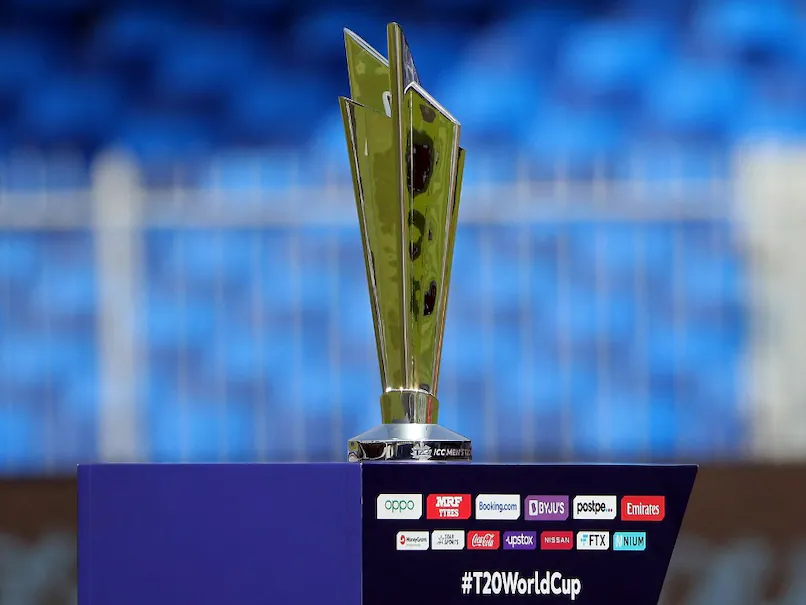
In a dramatic late shift ahead of the 2026 ICC Men’s T20 World Cup, the International Cricket Council (ICC) has informed the Bangladesh Cricket Board (BCB) that Bangladesh will not participate in the tournament and has been replaced by Scotland in the lineup. The decision comes after ongoing disagreements over Bangladesh’s participation in fixtures scheduled to be held in India, leaving a significant gap in the global event’s Group C roster.
The T20 World Cup is scheduled to begin on 7 February 2026, co-hosted by India and Sri Lanka. Bangladesh had been drawn in Group C alongside established sides, but weeks of uncertainty culminated in the ICC’s formal communication to the BCB late on 24 January 2026. The letter conveyed that because Bangladesh had not officially confirmed its willingness to travel to India for the matches within the deadline set by the global body, its place in the tournament would be taken by another nation.
Certified Cyber Crime Investigator Course Launched by Centre for Police Technology
Bangladesh’s cricket board had been grappling with internal and external pressures over travel to India for World Cup fixtures. Earlier in January, the ICC rejected the BCB’s request to shift matches out of India and ruled that the original schedule would be maintained due to logistical constraints and prior security assessments that indicated no credible threat to visiting teams.
The situation escalated after reports emerged that some members of the Bangladesh leadership and government were reluctant to send the team to India, citing safety concerns in the wake of earlier disputes, including the exclusion of a prominent Bangladeshi player from the Indian Premier League (IPL). Despite repeated reassurances and independent security reviews, negotiations failed to produce a resolution agreeable to both the ICC and the BCB’s stakeholders.
The ICC had earlier set a 24-hour ultimatum for the BCB to officially inform whether it would commit to participating in the tournament as scheduled. When the deadline passed without formal confirmation, ICC began the process of selecting a replacement team. Scotland, which had narrowly missed direct qualification for the World Cup, emerged as the logical choice. Reports indicate that discussions between ICC and Cricket Scotland were underway, positioning Scotland to enter the tournament on short notice.
Scotland’s inclusion now adds a twist to the competitive landscape of the T20 World Cup. Although not originally qualified, Scotland’s T20 side has gained experience in recent international events and could represent an unexpected challenge to traditional powerhouses. Their arrival fills the vacancy left by Bangladesh in Group C, ensuring that the tournament structure remains unchanged.
For Bangladesh cricket, the implications of this exclusion are potentially far-reaching. Participation in the T20 World Cup is not only a matter of sporting pride but also carries significant financial and developmental stakes — including sponsorship revenue, broadcast rights and international exposure for players. Being absent from one of cricket’s premier events may impact future scheduling and bilateral ties, given the stature of the T20 World Cup on the global cricket calendar.
Inside Bangladesh, voices within domestic cricket have expressed mixed reactions. Some insisted that player safety must be paramount, while others argued that withdrawing from a marquee global event could undermine the team’s development and international standing. According to several reports, members of Bangladesh’s playing group were not fully consulted before the board’s decision was taken, highlighting internal divides on the issue.
The ICC’s final decision underscores the governing body’s commitment to maintaining the integrity of the tournament schedule and the host countries’ rights to stage matches as planned. With Scotland now confirmed as the replacement team, preparations will accelerate to integrate the side into the competition draw and logistical arrangements ahead of the World Cup’s February kick-off.
As the T20 World Cup approaches, all eyes will be on how Scotland performs on this unexpected stage and how Bangladesh reassesses its international cricket strategy in the months ahead.
About the author – Rehan Khan is a law student and legal journalist with a keen interest in cybercrime, digital fraud, and emerging technology laws. He writes on the intersection of law, cybersecurity, and online safety, focusing on developments that impact individuals and institutions in India.
