

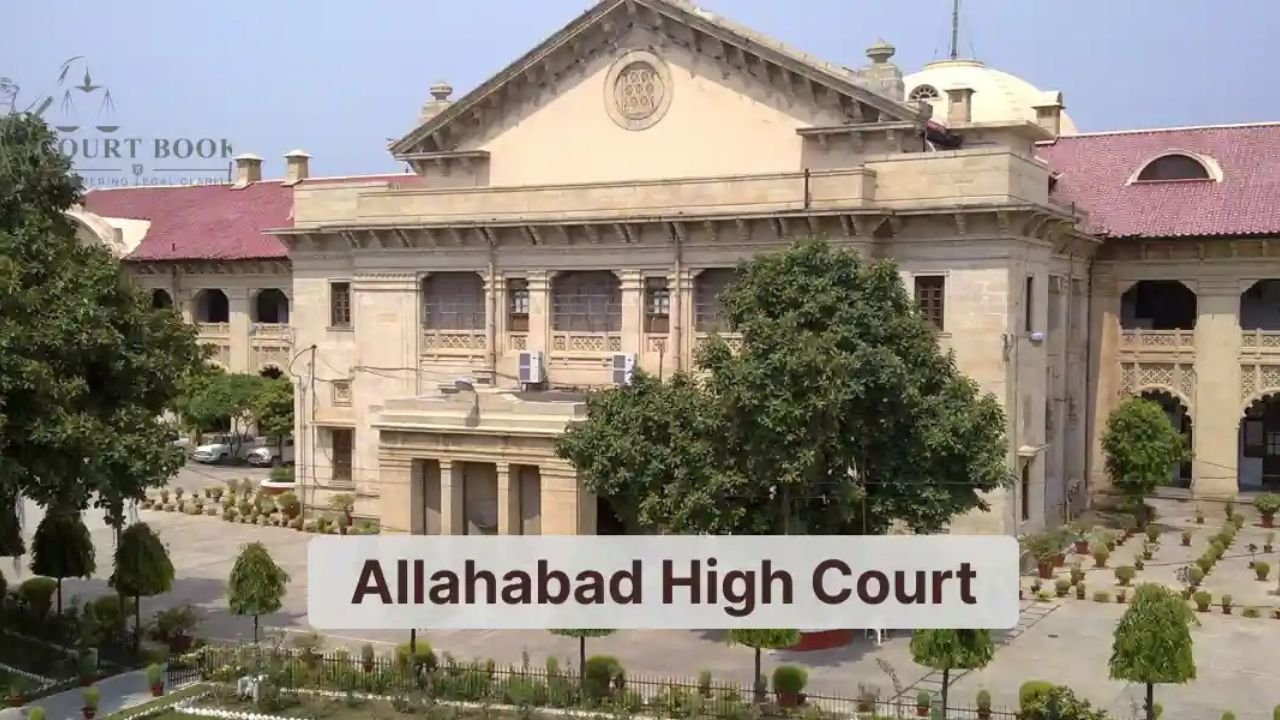

Prayagraj: The Allahabad High Court has ruled that licensed firearms cannot be used for celebratory firing during weddings, religious functions or similar public events, observing that every arms licence holder is obligated to maintain a proper record of the ammunition they purchase and use. The court said that if a licensee is unable to explain when, where and for what purpose cartridges were used, the licensing authority is empowered to cancel the licence in accordance with the law.
The observations were made by Justice Saurabh Shyam Shamshery while dismissing a petition filed by Akhilesh Kumar, who had challenged the orders of the licensing authority and the appellate authority cancelling his arms licence. Upholding both decisions, the court emphasised that an arms licence is not a fundamental or statutory right but a privilege granted subject to strict compliance with the conditions attached to it. Any violation of those conditions can legitimately result in cancellation of the licence.
According to the court records, the petitioner was granted an arms licence in 2000. During an inspection conducted by the authorities in 2019, he was asked to furnish details of the ammunition he had purchased and the quantity he had used over the years. The inspection revealed that he had purchased a total of 857 cartridges. However, he was able to produce only 57 live cartridges and 33 empty cartridge cases during verification.
When questioned about the remaining 757 cartridges, the petitioner claimed they had been used for firearms training, weddings, Chhath Puja and Durga Puja celebrations. However, he failed to produce any records, documentation or other evidence to substantiate his explanation. Finding the response unsatisfactory, the licensing authority cancelled his arms licence under Section 17 of the Arms Act. The appellate authority subsequently upheld the cancellation.
Before the High Court, the petitioner argued that the law does not specifically require licence holders to preserve used cartridges or maintain a separate record documenting how each cartridge was utilised. He contended that the absence of such records alone could not justify cancellation of an arms licence.
Rejecting these submissions, the High Court examined the relevant provisions of the Arms Act, the Arms Rules, 2016, including Rule 112, Rule 23 and the additional licence conditions prescribed under Schedule III. The court observed that these provisions empower the licensing authority to verify whether ammunition remains within the permissible possession limits and whether the conditions governing the licence are being faithfully observed. Maintaining proper records of ammunition, the court said, forms an integral part of those obligations.
The court further observed that the use of a licensed firearm for celebratory firing at weddings or religious gatherings amounts to misuse of the weapon and is inconsistent with the conditions under which an arms licence is granted. It noted that licence holders are expected to exercise the highest degree of responsibility, particularly because firearms are capable of causing serious harm if used irresponsibly.
The High Court held that the petitioner’s inability to provide a satisfactory explanation regarding the use of 757 cartridges, coupled with his admission that ammunition had been used during weddings and religious festivals, constituted sufficient grounds for concluding that the licence conditions had been violated. The court found no illegality or procedural irregularity in the decisions of the licensing authority or the appellate authority.
Accordingly, the High Court dismissed the petition and upheld the cancellation of the arms licence. The judgment reinforces that possession of a licensed firearm carries continuing legal responsibilities, including proper documentation of ammunition usage and strict adherence to licence conditions. The ruling also sends a clear message that celebratory firing at social or religious events is incompatible with the lawful use of licensed firearms and may invite regulatory action, including cancellation of an arms licence.
About the author — Suvedita Nath is a science student with a growing interest in cybercrime and digital safety. She writes on online activity, cyber threats, and technology-driven risks. Her work focuses on clarity, accuracy, and public awareness.
Follow for daily updates on cybercrime, corporate fraud, DFIR, hacking, investigations, and digital forensics
