

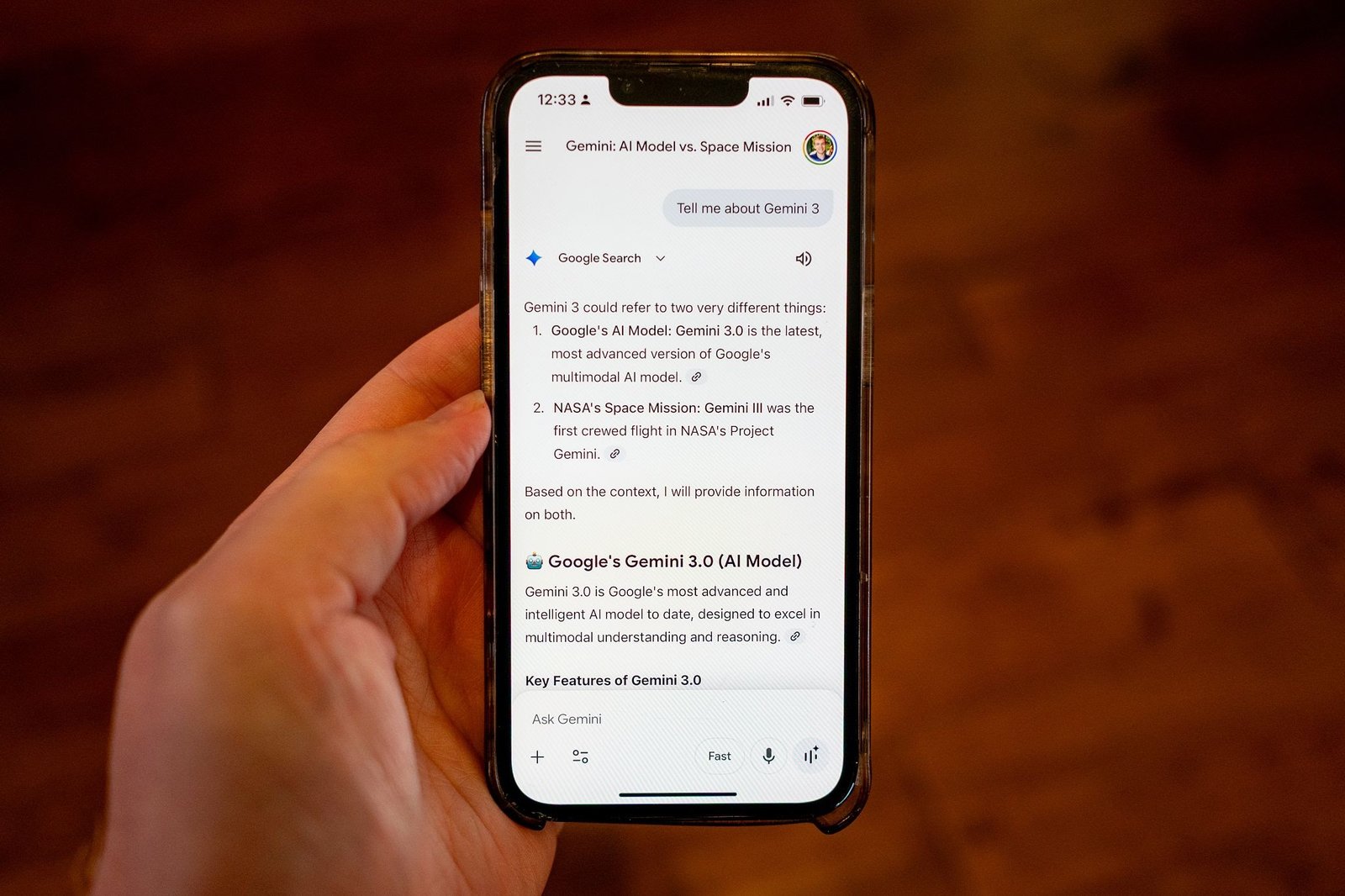

For two decades, the internet ran on a simple bargain: search engines sent readers to websites, and websites, in turn, fed those search engines the content worth finding. That bargain is now unravelling. As Google and other search platforms lean harder into AI-generated answers, publishers, retailers and financial platforms are watching a growing share of their traffic disappear before a single click ever happens.
The scale of the shift has moved from anecdotal to measurable. Recent research suggests roughly three-quarters of search sessions now end without the user visiting any external website, with people instead lingering longer inside the search interface itself to read AI-generated summaries. The behaviour is convenient for users. For everyone whose business depends on being clicked on, it is closer to an existential threat.
The Numbers Behind “Google Zero”
Cloudflare, the internet infrastructure company that sits in front of a large share of global web traffic, has become an unlikely chronicler of this shift. Its data shows human traffic declining by close to 40 percent across some of the most heavily crawled sectors, including media, retail and finance, between June 2025 and April 2026, a period Cloudflare has begun describing as the arrival of “Google Zero” — a scenario in which meaningful referral traffic from search simply stops arriving.
Google’s outsized role in the shift is not incidental. The search giant still accounts for the overwhelming majority of referral traffic across the web, meaning that changes to how it surfaces answers ripple through the entire publishing ecosystem almost immediately. Wikipedia, historically among the most resilient sources on the open web, has itself recorded an approximately 8 percent decline in overall traffic over the past year, a signal that even reference sites built on trust and neutrality are not insulated.
Compounding the traffic loss is a quieter shift in who — or what — is actually visiting the web. Cloudflare’s mid-2026 bot reporting found that automated requests have overtaken human visits on the open web for the first time, with a majority of crawler activity now driven by AI training bots rather than the search crawlers that once promised a return visit in the form of referral traffic.
Publishers Caught Between Visibility and Revenue
The economic consequence is straightforward: fewer visits mean fewer ad impressions, and fewer ad impressions mean shrinking revenue for exactly the newsrooms and content creators whose work AI systems rely on to generate answers in the first place. Industry surveys of news executives suggest the trend is expected to deepen rather than plateau, with many publishers bracing for search referral traffic to fall further over the next few years as AI-driven answer engines mature.
Faced with this squeeze, publishers are being pushed toward diversification rather than dependence on search. Subscriptions, podcasts, premium newsletters and direct-to-reader products are increasingly framed not as growth strategies but as survival strategies, an acknowledgment that relying on search engines to deliver an audience is no longer a stable foundation for a media business. Some infrastructure players are also experimenting with new economic models, including proposals to compensate publishers when their content is cited within an AI-generated answer, rather than only when a reader physically lands on their page.
What Balance Might Look Like
None of this suggests AI-powered search is inherently at fault for offering people faster answers; the convenience is real, and user behaviour has adapted accordingly. The harder question, one that technologists, regulators and publishers are all now wrestling with, is whether an information ecosystem can remain healthy if the sources feeding it are steadily losing the ability to fund the reporting and research those answers depend on.
For India’s own digital publishing sector, still expanding rapidly on the back of smartphone-first readership, the implications are not abstract. A search ecosystem where fewer readers ever reach an original Indian news site, blog or reference resource has consequences for everything from local-language journalism to fact-checking capacity. How search platforms, regulators and publishers negotiate attribution, compensation and traffic-sharing in the coming years will likely determine whether the open web survives as something more than raw material for someone else’s answer engine.
