

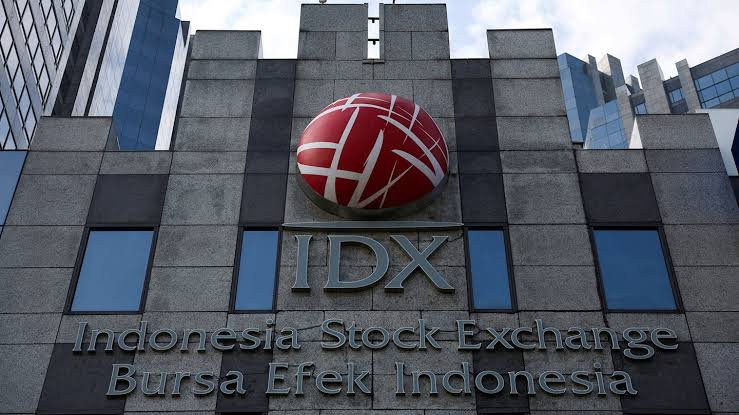

Indonesia’s financial markets are facing severe instability as global index provider MSCI initiates steps to downgrade the country from emerging-market to standalone-market status, triggering a single-day selloff that wiped out roughly $65 billion in market value. The move follows persistent international concerns regarding corporate transparency, opaque share ownership structures, suspected coordinated trading, and weak regulatory enforcement. Despite regulatory interventions and leadership shake-ups introduced since MSCI first warned of investability issues in January 2026, the index provider determined that progress remained insufficient, leaving Southeast Asia’s largest economy with a deadline of April 30, 2027, to resolve the cited shortcomings before a final ruling on or before June 30, 2027.
Regulatory Reforms Fail to Reassure Index Provider
The primary grievances raised by MSCI centre on the lack of reliable clarity surrounding true public share float and the classification of corporate shareholders. Market participants pointed to widespread opacity that allowed share prices to be artificially maintained through suspected coordinated trading rather than genuine market forces. Following the initial alerts in January, senior officials across Indonesian financial and regulatory bodies resigned and were subsequently replaced. The Financial Services Authority then moved to tighten market mechanics, notably doubling the minimum public shareholding threshold for listed firms from 7.5% to 15% to mitigate ownership concentration.
Regulators also mandated detailed disclosures for investors holding at least 1% equity, expanded categories for classifying shareholders, and raised capital floors for brokerage firms and specific asset managers to curb manipulation risks. In April, the Indonesia Stock Exchange began publishing lists tracking heavily concentrated holdings, later planning an addition of 37 companies, while October saw the removal of minimum initial public offering share-price limits to ease fundraising. MSCI nonetheless extended its evaluation window from June to November before ultimately starting the formal reclassification process, underscoring that the structural remedies had not yet delivered convincing governance standards.
Hefty Regulatory Penalties and Police Investigations Underway
In immediate reaction to the reclassification move, the Financial Services Authority issued penalties totalling 2.1 trillion rupiah, or about $116.41 million, against entities tied to suspected manipulation in the shares of three listed companies. In addition to administrative measures, authorities have formally engaged police leadership to conduct criminal investigations into capital market violations, with law enforcement pledging decisive interventions to restore legal clarity. Indonesian officials expressed surprise at MSCI’s timing given ongoing overhauls and are seeking direct talks with the provider to clarify outstanding concerns and avert a formal downgrade to a standalone designation, which sits below frontier-market rank.
Severe Market Tumult and Pressure on the Rupiah
The threatened reclassification has accelerated significant capital outflows, as global index-tracking funds risk having to divest or drastically curb their Indonesian equity holdings if emerging-market inclusion is lost. Indonesian stock valuations have fallen by approximately $350 billion since January, culminating in a benchmark index drop of over 5% on Monday following a Friday plunge of 11.6%, which marked the steepest single-day decline in nearly three decades. To mitigate extreme trading volatility, the domestic exchange intervened by lowering the daily circuit limit for individual equity falls from 15% to 7%.
The broader economic fallout has spilled over into the foreign exchange market, where the Indonesian rupiah has weakened by more than 7% this year under the weight of fiscal risk perceptions and a strengthening US dollar, placing it among the region’s worst-performing currencies. Indonesian authorities now face an urgent window to enforce transparent corporate reporting, eliminate illicit trading networks, and demonstrate sustained regulatory compliance to protect the country’s access to foreign investment capital.
Follow for daily updates on cybercrime, corporate fraud, DFIR, hacking, investigations, and digital forensics
