

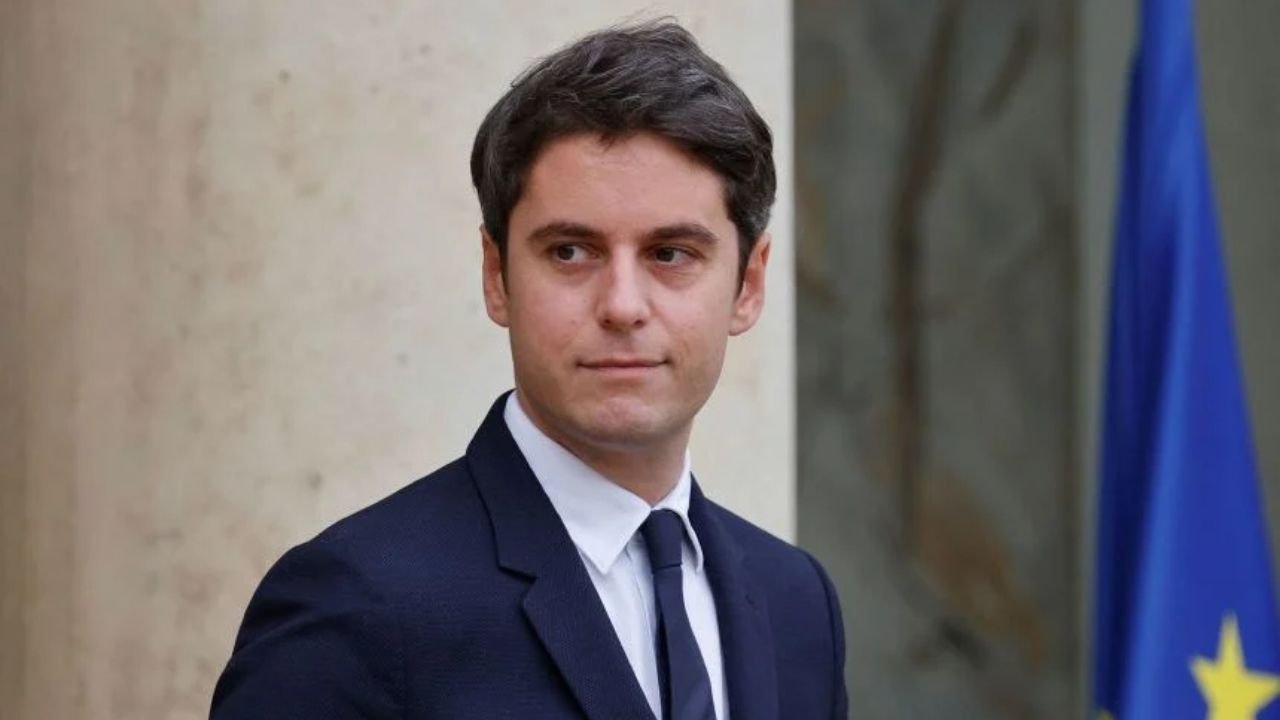
Gabriel Attal, France’s former prime minister and a candidate in the 2027 presidential election, has proposed giving the government temporary powers to block access to social media platforms in areas affected by riots.
Attal said such restrictions should be limited in duration and geography, applying only where unrest is taking place. His proposal follows recent violence and looting in several French cities during protests that began over school conditions and later broadened to include concerns about the cost of living, fuel prices and public services.
FCRF’s Chief AI Officer Certification Returns on November 14 to Prepare Future AI Leaders
Attal Links Social Media to Copycat Disorder
Speaking to French radio station RTL, Attal argued that social media can encourage young people to join unrest after seeing others loot without apparent consequences.
He said the measure should not amount to a nationwide shutdown and should instead be restricted to the areas where disturbances are occurring.
Attal, who now leads President Emmanuel Macron’s political party, announced his candidacy for the 2027 French presidential election in May.
The proposal has drawn criticism because temporary platform shutdowns and wider internet restrictions are more commonly associated with governments seeking to control information during periods of unrest.
Research Questions Whether Blackouts Reduce Violence
Research cited in the debate suggests that blocking access to social media may not necessarily reduce disorder.
A study by Stanford researcher Jan Rydzak found that social media shutdowns can increase violent protest by preventing peaceful demonstrators from organising and by creating an information vacuum.
The research also argues that when access to verified information is restricted, rumours and unverified claims can spread more easily.
The issue has particular relevance in France because courts have previously scrutinised government efforts to restrict access to social media platforms during unrest.
Courts Previously Rejected TikTok Suspension
In 2024, France suspended access to TikTok in New Caledonia during protests in the overseas territory.
The suspension was later ruled to be a disproportionate infringement of rights and freedoms.
The current unrest began in September when students at a high school southeast of Paris protested against staff shortages and deteriorating school conditions.
The movement subsequently expanded to include wider complaints over the cost-of-living crisis, rising fuel prices and declining health services. Violence and looting were reported in several major cities, alongside disinformation circulating online.
Follow for daily updates on cybercrime, corporate fraud, DFIR, hacking, investigations, and digital forensics
