

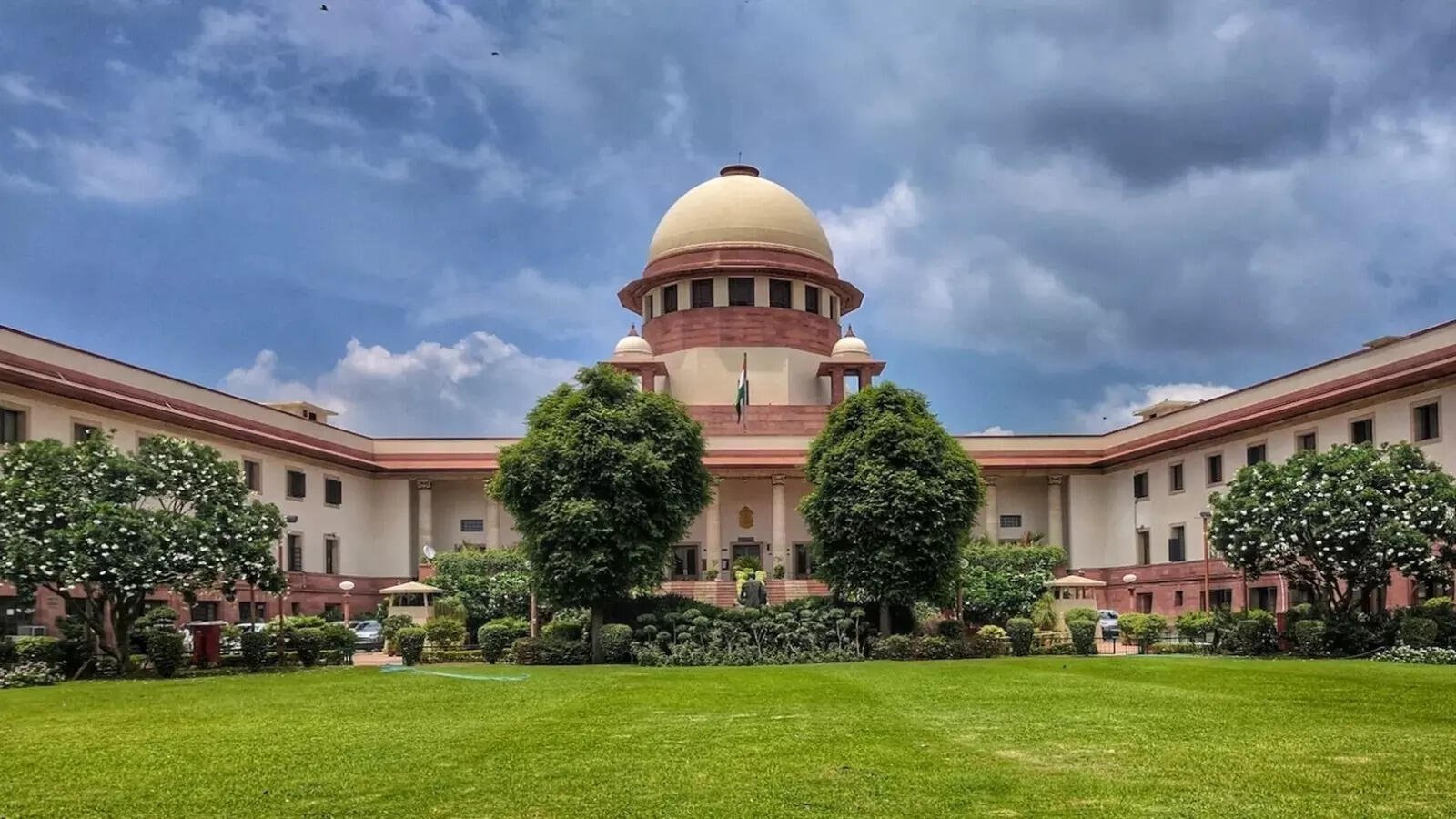

The Supreme Court on Monday took a firm stance over police conduct during a demonstration organized by the Cockroach Janata Party in Delhi, announcing that it will examine the use of force against protesters, potential breaches of statutory duties, and the actions of police personnel who allegedly operated without wearing identification badges. Hearing contempt proceedings centered on alleged violations of judicial directions, a bench comprising Justice Joymalya Bagchi and Justice V. Mohana emphasized that protecting fundamental rights under Article 32 of the Constitution remains the court’s core responsibility, while calling on authorities to explain whether they adhered to their legal obligations during the clampdown.
Accountability and Peaceful Assembly Under Scrutiny
During the proceedings, the bench observed that the court had consistently protected citizens’ constitutional freedoms under Article 19, but reiterated that public order requires reciprocal commitments. Justice Mohana asked senior advocate Gopal Sankaranarayanan, appearing for the demonstrators, to ensure that the gatherings remained non-violent and free from provocation if public welfare was genuinely intended. In response, Sankaranarayanan argued that the standard of restraint must apply equally to the administration, urging that peaceful demonstrators be handled appropriately. Justice Bagchi subsequently reminded Solicitor General Tushar Mehta that the top court holds the duty to shield citizens from executive overreach and fundamental rights infringements.
Metro Shutdowns and Remote Detentions Questioned
The hearing also highlighted widespread disruptions across the capital, with senior advocate Kapil Sibal, representing Rashtriya Janata Dal MP Manoj Jha, challenging the scale and legality of administrative restrictions. Sibal submitted that security personnel detained individuals aboard trains and at points roughly four kilometres away from Jantar Mantar, despite the absence of prohibitory orders in those specific localities. He further pointed out that 45 metro stations remained closed in defiance of the Supreme Court’s October 9 directions, causing severe inconvenience to daily commuters. The bench indicated that unlisted petitions and applications concerning metro closures, detentions, and police actions would be tagged together on Tuesday for a comprehensive review.
Opposition Alleges Emergency-Like Conditions in Capital
Alongside the legal dispute, political fallout intensified as the Cockroach Janata Party leadership mounted a sharp attack on the central government, the Delhi Police, and the Election Commission. Addressing a press conference at the Press Club of India on Sunday, party leaders likened the sweeping curbs to the 1975 Emergency, alleging that an undeclared state of authoritarian control had gripped the capital. Party representatives asserted that excessive restrictions aimed at curbing youth-led demonstrations had paralyzed normal civic life and curtailed fundamental democratic freedoms, claims that now stand alongside the administrative response for detailed judicial scrutiny.
Follow for daily updates on cybercrime, corporate fraud, DFIR, hacking, investigations, and digital forensics
