

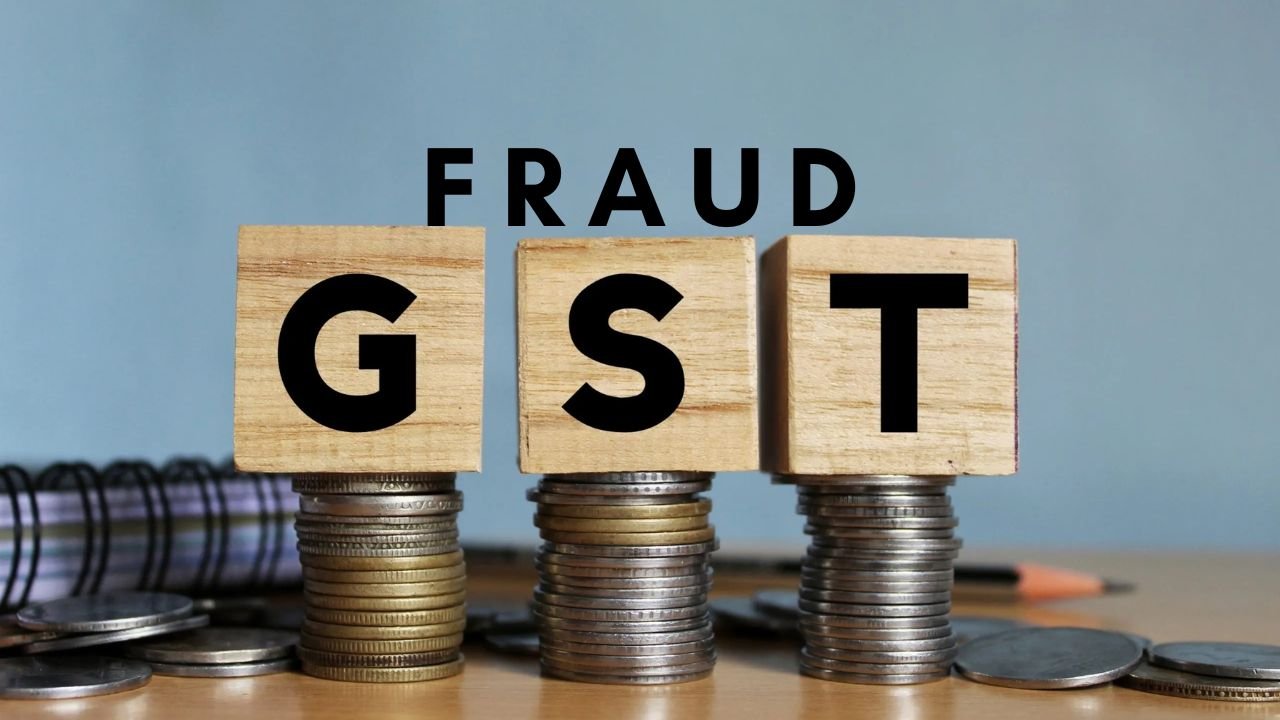

Jorhat. The Assam government has begun developing a data analytics-based monitoring system to strengthen its crackdown on GST fraud and alleged fraudulent use of Input Tax Credit (ITC). The Finance Department is analysing data related to GST-registered taxpayers across the state to identify suspicious transactions and activities. Finance Minister Jayanta Malla Baruah said on Saturday during his visit to Jorhat that the new system is aimed at making it increasingly difficult for those involved in GST fraud to evade detection.
According to the Finance Minister, a dedicated team is analysing data related to GST-registered taxpayers across Assam. Information and details emerging from the analysis are being forwarded to Superintendents of Police and inspectors for further action. The government believes that manually monitoring every GST-registered taxpayer is not feasible. Data analytics is therefore being used to identify unusual activities and transactions that may require closer scrutiny.
FCRF Launches CP-FRM to Build India’s Next Generation of Fraud Risk Professionals
Baruah said the new system being developed by the department will strengthen the identification and monitoring of people allegedly involved in GST fraud. The focus is on detecting transaction patterns that appear inconsistent with normal business activity. Once such activity is identified, the relevant information is being passed on to enforcement officials for investigation and possible action.
The Finance Minister said several cases linked to GST fraud have been detected and acted upon in Assam in recent months. These include cases involving the alleged fraudulent use of ITC. He said the state has received several cases involving inter-state fake ITC, with the Assam Special Task Force (STF) arresting some accused persons in Kolkata and bringing them to Assam for further legal action.
According to the state government, cyber networks are also emerging as a factor in GST-related fraud. Fake GST registrations, fraudulent invoices and alleged misuse of ITC can involve multiple digital transactions and entities across different locations. The Finance Department is therefore using data analysis to identify suspicious links and trace transaction patterns that could help investigators uncover wider networks.
Baruah also urged taxpayers to pay their GST dues on time and comply with tax rules and procedures. He said the government was working to increase public awareness about GST and its compliance requirements so that taxpayers have a better understanding of the procedures and obligations associated with the tax system.
The Finance Minister was also asked why details of some GST raids and investigations conducted across the state were not made public. He said the department is bound by legal provisions requiring certain information to remain confidential. According to him, maintaining confidentiality is necessary during investigations and also helps protect the dignity of taxpayers. As a result, details of every enforcement action cannot be disclosed publicly.
Baruah said the shift to an online GST system has increased transparency and made it easier to monitor transactions and address irregularities. He said cases that have already been reported are gradually being dealt with through investigation and enforcement measures.
The data-driven monitoring initiative comes amid a series of arrests in Assam linked to an alleged fake GST credit network. In August, the Assam STF arrested an alleged mastermind of a pan-India network involving fake GST registrations and fraudulent ITC claims. The number of arrests in that case subsequently reached 12.
Earlier, a joint operation by the Assam GST Department and the STF resulted in the arrest of two key accused persons from Kolkata in connection with an alleged fake GST credit fraud involving around ₹50 crore. The latest data analytics initiative is intended to help authorities identify suspicious transactions and potential networks at an earlier stage and bring them within the scope of investigation.
The Assam Finance Department is now expanding its reliance on digital data to supplement conventional enforcement measures. By analysing GST registration records and transaction patterns, authorities are seeking to identify irregularities that may otherwise remain difficult to detect through manual monitoring and establish links between entities involved in suspected tax fraud.
Follow for daily updates on cybercrime, corporate fraud, DFIR, hacking, investigations, and digital forensics
