

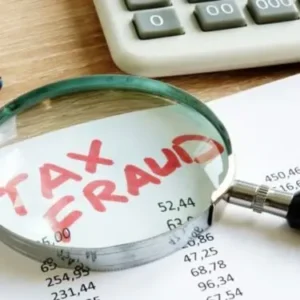
Moradabad. The State Tax Department’s Special Investigation Branch conducted simultaneous searches and inspections at three firms involved in the metal and metal-scrap trade in Moradabad following complaints of tax evasion.
The department’s preliminary investigation has detected alleged tax evasion of around ₹3.55 crore. Following the action, the concerned traders deposited ₹34 lakh towards tax. The department is now examining the firms’ transactions and documents related to input tax credit (ITC) in detail.
Acting on the directions of Additional Commissioner Grade-1 AK Singh and Additional Commissioner Grade-2 RA Seth, teams of the Special Investigation Branch analysed data related to traders involved in the metal and scrap business. During the analysis, the department found discrepancies in the business and tax records of certain firms. The identified establishments were subsequently subjected to simultaneous action.
During the investigation, two firms were found operating in the Peerzada area near Tare Wali Masjid, while the third firm was operating in Khatla Wali Gali near Qait Wali Masjid in Makbara-2. Department teams conducted searches at the establishments and examined business-related documents, invoices and other records. They also compared the firms’ purchase and sales details with information recorded in their tax returns.
Proposal for Conducting Cyber Crisis Drill, Tabletop Exercise (TTEx) & CCMP Readiness Exercise
The department’s preliminary investigation found that the firms had allegedly claimed large amounts of bogus input tax credit. The allegation is that the ITC claims were used to reduce the actual tax liability and avoid payment of the due tax. Based on an analysis of documents and available business data, the department has initially detected total tax evasion of around ₹355 lakh, or ₹3.55 crore.
Following the action, the traders deposited ₹34 lakh as tax. The department is continuing its investigation to determine the complete extent of the alleged irregularities. Officials are examining the invoices and transactions on the basis of which the alleged bogus ITC was claimed and are also looking into the businesses connected with those transactions.
The Special Investigation Branch is expected to verify the firms’ ITC claims by matching purchase and sales records, e-way bills, tax invoices and information filed in returns. Investigators will also examine whether the firms or traders from whom purchases were shown actually supplied metal or scrap, or whether the ITC claims were based only on paper transactions.
In the metal and scrap trade, where large quantities of goods can be bought and sold, matching invoices with the actual movement of goods is an important part of tax-evasion investigations. The department may also examine the relationship between business records, banking transactions and tax filings. If the investigation establishes that ITC was obtained through fake billing or paper companies, further action may be initiated against the concerned firms under applicable tax laws.
According to officials, the action at the three establishments was aimed at verifying complaints regarding tax evasion and the alleged misuse of fraudulent ITC claims. Based on the preliminary finding of ₹3.55 crore in alleged tax evasion, the department is compiling detailed records for further proceedings. The final tax liability and the extent of other financial irregularities will become clearer after the investigation is completed.
Follow for daily updates on cybercrime, corporate fraud, DFIR, hacking, investigations, and digital forensics
