

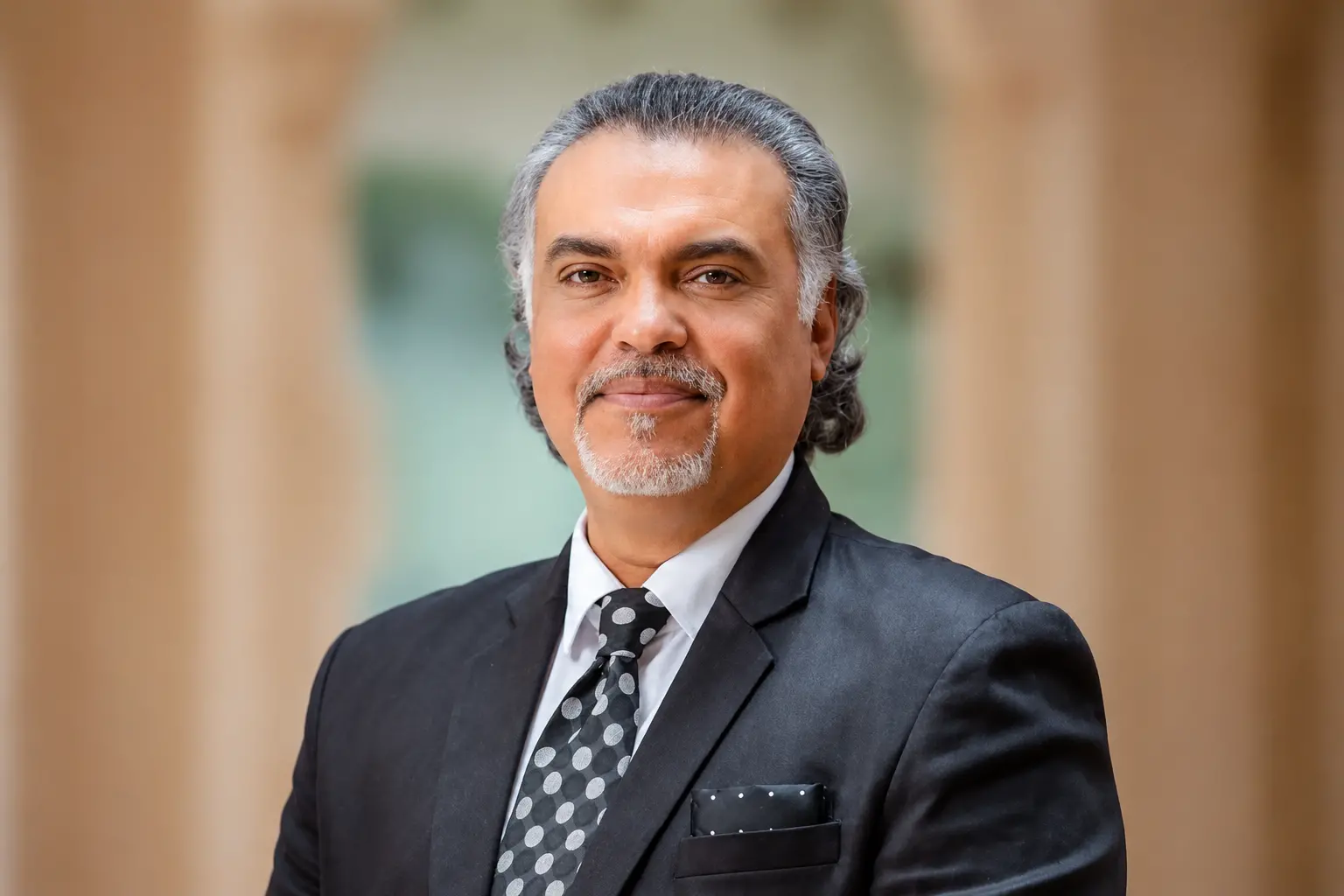

A Mumbai court has rejected former Sahara India executive Romie Dutt’s request to travel to Switzerland, citing concerns that he may not return to India while a Serious Fraud Investigation Office probe into alleged corporate misconduct continues.
Dutt had sought suspension of the Look Out Circular (LOC) issued against him and permission to travel to Switzerland between August 31 and September 4 for academic and business purposes.
The SFIO opposed the request, arguing that Dutt’s presence was necessary for the investigation and that there was a possibility of him evading the legal process. The court accepted the concern and refused to suspend the LOC.
Algoritha Security Launches ‘Make in India’ Cyber Lab for Educational Institutions
Why the Court Was Concerned About Dutt Leaving India
The SFIO has been investigating allegations involving several Sahara Group companies since 2018. The probe was ordered by the Ministry of Corporate Affairs after complaints concerning the affairs of Sahara Q Shop Unique Products Range Ltd, Sahara Q Gold Mart Ltd and Sahara Housing Investment Corporation Ltd.
The Supreme Court later allowed the investigation to continue and recorded that six additional Sahara companies had also been brought within its scope. These included Sahara India Commercial Corporation Ltd, Sahara India Financial Corporation Ltd, Sahara India Real Estate Corporation Ltd and Aamby Valley Ltd.
According to the SFIO’s submissions before the Mumbai court, Dutt was a director and key managerial person at Sahara Q Shop between May 2011 and March 2013. The agency also described him as one of the key operators associated with Sahara Q Gold Mart and Aamby Valley.
The court noted that the investigation was still underway and said the possibility that Dutt might not return could not be ruled out given the scale of the allegations.
SFIO Alleges ₹90,000 Crore Was Raised From Investors
The financial allegations at the centre of the investigation are enormous.
The SFIO told the court that companies under investigation collected around ₹90,000 crore from approximately 2.91 crore investors through Optionally Fully Convertible Debentures, or OFCDs. The agency alleges that a majority of investors were not repaid as promised and that funds were instead moved between different Sahara group entities without investors’ consent.
The agency further alleged that some of the money was used to acquire properties across India, which were subsequently transferred to related Sahara entities.
These are allegations made during an ongoing investigation and have not been established as final findings against Dutt.
The Sahara dispute has a much longer history. In 2012, the Supreme Court directed two Sahara companies to refund more than ₹24,000 crore to investors after finding that funds had been raised through OFCDs in violation of applicable securities regulations.
SFIO Says Dutt’s Role Requires His Presence
The agency argued that Dutt was not a peripheral employee but a person who played an important role in the affairs of the companies under investigation.
The SFIO said documents collected during the probe prima facie indicated that he was among the key officers and decision-makers and had participated in the affairs being investigated.
It also pointed to the fact that two sons of late Sahara chief Subrata Roy, Sushanto Roy and Seemanto Roy, are living abroad and have not appeared before investigators. The agency cited this as an additional reason for ensuring that Dutt remains available in India.
Dutt’s lawyer Niranjan Mundargi disputed the apprehensions. He argued that Dutt had no intention of permanently leaving India and pointed out that Switzerland would not allow him to simply settle there. He also said Dutt had no visa other than one for Switzerland.
The Sahara Case Continues More Than a Decade Later
The latest travel dispute is only one part of a much larger legal battle surrounding Sahara’s fundraising activities.
The Supreme Court’s 2012 proceedings resulted in directions for refunds and the deposit of money with SEBI. The court has continued to monitor aspects of the repayment process, with the Sahara–SEBI dispute remaining active years after the original fundraising controversy.
More recently, the Securities Appellate Tribunal in March 2026 upheld SEBI action concerning Sahara India Commercial Corporation’s ₹14,106 crore OFCD issue, holding that the issue amounted to a public offer rather than a private placement.
For Dutt, the immediate issue is now clear: the Look Out Circular remains in place and the court has refused permission for the proposed Switzerland trip.
The SFIO investigation itself is still continuing. Its eventual findings, along with any prosecution that may follow, will determine whether the allegations made against the individuals involved can be established in court.
What this means for you: The case is a reminder that large financial investigations can continue for years and that courts can restrict international travel when investigators show a genuine concern that an accused person may evade the legal process. For investors involved in disputed schemes, keeping original investment records, payment proofs and correspondence remains important when authorities begin verification or repayment proceedings.
