

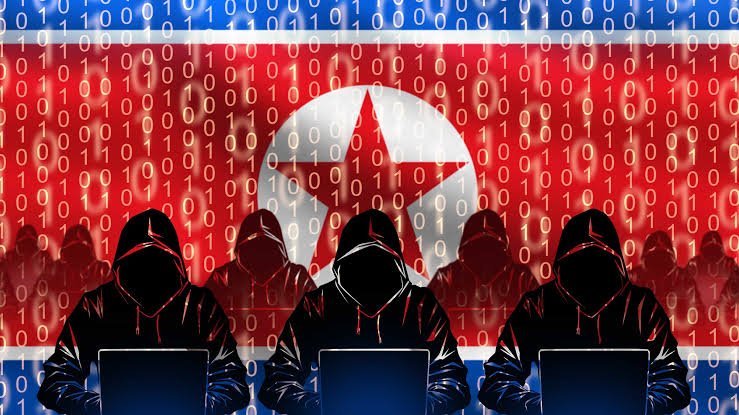

Foreign affairs and intelligence agencies from 11 allied nations have issued a joint alert warning international enterprises, recruitment agencies, and digital hiring platforms against a sophisticated cyber employment fraud scheme operated by North Korean IT specialists. The joint advisory—co-signed by Australia, Canada, France, Germany, Italy, Japan, the Netherlands, New Zealand, South Korea, the United Kingdom, and the United States—warns that North Korean operatives are increasingly deploying artificial intelligence, falsified documentation, and third-party proxy networks to secure remote software development jobs globally. Authorities emphasize that these covert hiring operations are designed to bypass international sanctions, generate illicit foreign currency for Pyongyang’s nuclear weapons and ballistic missile programs, and gain unauthorized access to proprietary corporate networks.
Sophisticated Infiltration Tactics and Proxy Operations
According to the joint statement, North Korean IT personnel systematically apply for remote technology roles using forged identity documents, stolen social security numbers, and altered national passports. To navigate identity verification checks during recruitment, operatives frequently enlist foreign third-party accomplices who complete live video interviews, handle initial phone communications, and provide verified photos on behalf of the fake applicants. Once hired, the workers use AI-powered productivity tools and language models to assist with software development tasks, draft professional communications, and obfuscate their true backgrounds.
A central operational pillar of the network involves the deployment of domestic “laptop farms” located within target countries, including the United States and Western Europe. Under this arrangement, third-party facilitators receive company-issued laptop computers at local residential or commercial addresses and connect them to specialized remote desktop infrastructure. North Korean personnel operating from overseas locations—including China, Russia, and Southeast Asia—then access these domestic devices remotely via virtual private networks (VPNs) and proxy servers, making it appear as though they are actively working from the physical jurisdiction expected by the employer.
Insider Threats, Financial Laundering, and Legal Risks
Beyond accumulating corporate salaries, the joint alert highlights that these covert workers represent severe insider security risks to commercial enterprises and government contractors. Once embedded within internal IT environments, North Korean personnel frequently exfiltrate proprietary source code, commercial intellectual property, customer databases, and sensitive technical architecture files. In multiple instances, embedded workers have engaged in extortion schemes, threatening to release stolen corporate data unless additional ransom payments were issued in digital assets.
Financial transactions generated by the network rely heavily on money laundering techniques designed to obscure the financial trail. Payments are routinely requested in cryptocurrency or routed through third-party bank accounts, where local facilitators take a percentage fee before transferring the remaining funds to designated overseas accounts controlled by North Korean state agencies. The advisory cautions that businesses contracting these workers face substantial legal liabilities and financial penalties, as employing North Korean nationals violates United Nations Security Council resolutions and domestic sanctions laws across multiple jurisdictions.
Prior Enforcement and Recommended Organizational Countermeasures
The elevated 11-nation alert builds upon earlier enforcement actions by international law enforcement bodies. Previous joint actions, including U.S. Department of Justice indictments, resulted in the dismantling of 29 laptop farms, the seizure of dozens of fraudulent domains, and the freezing of bank accounts used to launder millions of dollars in salary payments. In those historical cases, single syndicate clusters managed dozens of fictitious identities to maintain over 100 simultaneous remote engineering roles across Fortune 500 corporations.
To mitigate the threat of fraudulent employment infiltration, the advisory recommends that hiring organizations implement multi-layered identity verification frameworks. Employers are urged to mandate physical in-person identity verification where possible, conduct rigorous background checks, continuously monitor remote access telemetry, and restrict unauthorized remote desktop protocols. Organizations should also scrutinize suspicious account behavior, such as frequent modifications to payment details, requests for cryptocurrency transfers, or multiple user profiles originating from identical hardware signatures.
Follow for daily updates on cybercrime, corporate fraud, DFIR, hacking, investigations, and digital forensics
