
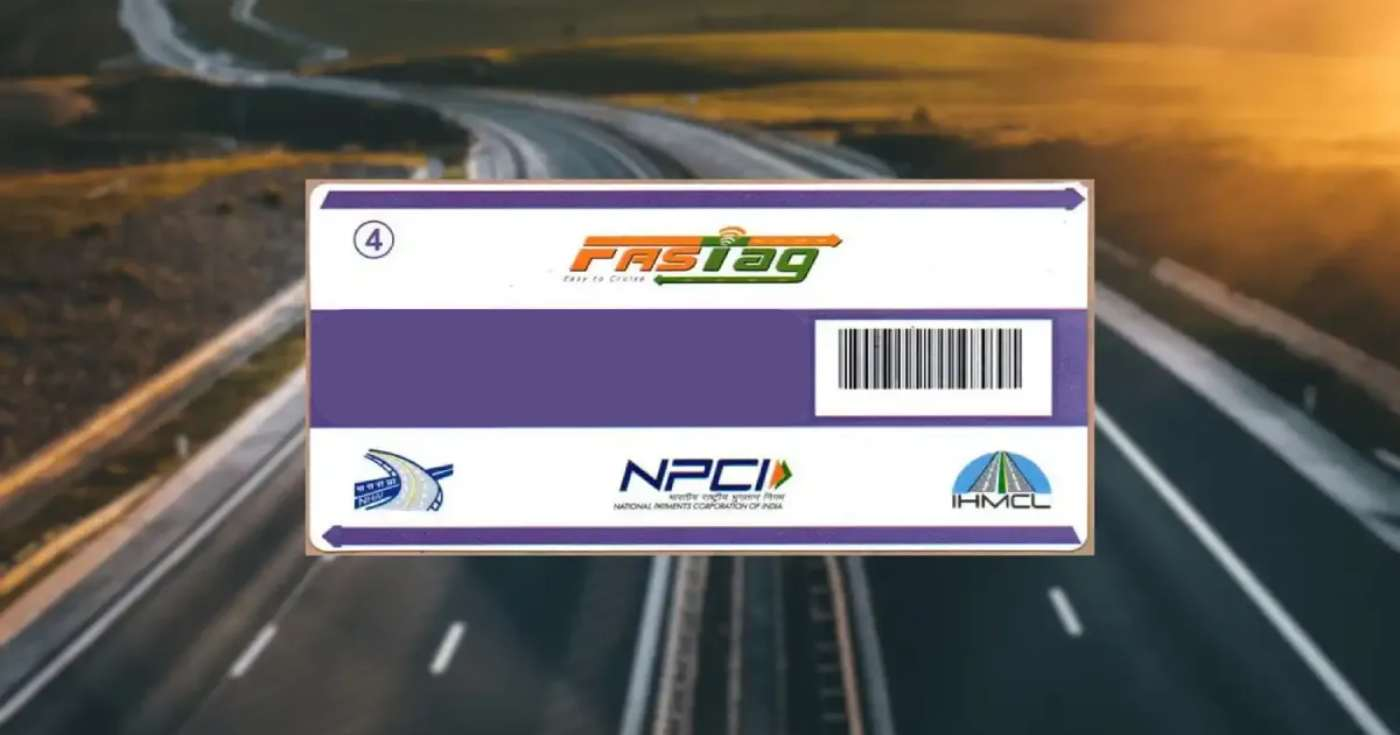

A sprawling racket that allegedly weaponised India’s electronic toll collection infrastructure to conceal overloaded trucks and evade government revenue has triggered one of Uttar Pradesh’s most extensive transport fraud investigations, with authorities now scrutinising nearly 6,500 suspicious vehicles that passed through Lucknow-area toll plazas in recent months.
A Syndicate Built on Forged Identities
The Uttar Pradesh Special Task Force (STF) has arrested four individuals in connection with what investigators describe as an organised network that manufactured and distributed fraudulent FASTags linked to forged vehicle registration numbers. The accused include IndusInd Bank agent Naqeeb Khan and Sitapur resident Anant Ram Rathore, arrested near Polytechnic Crossing in Lucknow, as well as brothers Riyaz and Siraj of Laharpur in Sitapur district, picked up in an earlier operation.
According to investigators, the group allegedly collected driving licences, mobile numbers, and other personal documents from vehicle owners before initiating FASTag applications through a bank’s official portal. Instead of uploading genuine Registration Certificates, the suspects allegedly submitted forged documents and incorrect vehicle details, enabling the issuance of FASTags that did not correspond to the actual vehicles on which they were ultimately used.
The modus operandi had a disarming simplicity. A vehicle bearing a Uttar Pradesh registration number would carry a FASTag issued against a Maharashtra registration, effectively disappearing into the highway’s electronic records under a false identity. Automated toll readers processed the incorrect data without any alert, and the vehicle’s real weight, route history, and ownership remained invisible to enforcement systems.
How the Fraud Undermined an Entire System
FASTag, which became mandatory for all vehicles on national highways from February 2021, now accounts for over 95 per cent of all toll transactions across India’s 1,150-plus fee plazas. NHAI collected Rs 72,931 crore in toll revenue in 2024-25, making the integrity of the vehicle registration data underpinning every transaction a matter of significant public finance.
The NHAI had, as recently as April 2026, directed all FASTag issuer banks to immediately validate vehicle registration numbers linked to FASTags, following complaints of mismatches between registration numbers captured by FASTag readers and those actually displayed on vehicle number plates. The authority warned that such discrepancies have the potential to undermine enforcement mechanisms and may lead to evasion of government revenue.
The Lucknow case illustrates exactly what those mismatches enable in practice. Overloaded commercial vehicles, which would face challans and mandatory weigh-bridge stops under normal enforcement, could move freely across toll plazas by masking their registration entirely. The fraud thus served two simultaneous purposes: evading toll charges and escaping transport regulation.
Investigators say the fake tags also enabled vehicles to avoid online traffic e-challans, with those involved earning commissions for each fraudulent FASTag issued. The investigation originated from a complaint involving a truck at the Unnao toll plaza, the FIR filed at Sarojini Nagar police station before the case was transferred to the STF for deeper investigation.
The Reinvestigation and What It Could Reveal
At the request of the UP Transport Department, NHAI furnished detailed toll records covering the past three months of activity at plazas in and around Lucknow. Analysis of that data has identified nearly 6,500 vehicles that passed through using registration numbers inconsistent with the vehicles themselves. Authorities will now cross-reference registration details, vehicle weight classifications, travel routes, and FASTag transaction records for each of those vehicles.
The scale of the retroactive audit is unusual and signals how seriously investigators assess the systemic damage. If overloading or other transport violations are confirmed, legal action will be pursued against both vehicle owners and members of the fake FASTag syndicate under provisions covering fraud, forgery, and financial loss to the state.
The STF is simultaneously examining the syndicate’s banking transactions, technical infrastructure, and document pipeline to establish the full volume of fake FASTags issued and the number of beneficiary vehicles. Further arrests are expected, officials said.
The case also carries implications for the future of India’s tolling architecture. The government is moving toward an ANPR-FASTag barrier-less tolling system combining Automatic Number Plate Recognition cameras with existing RFID readers, under which enforcement actions will significantly depend on accurate and verified vehicle identification data. A racket that systematically decouples registration numbers from physical vehicles strikes at the core assumption on which that system rests.
Follow for daily updates on cybercrime, corporate fraud, DFIR, hacking, investigations, and digital forensics
