

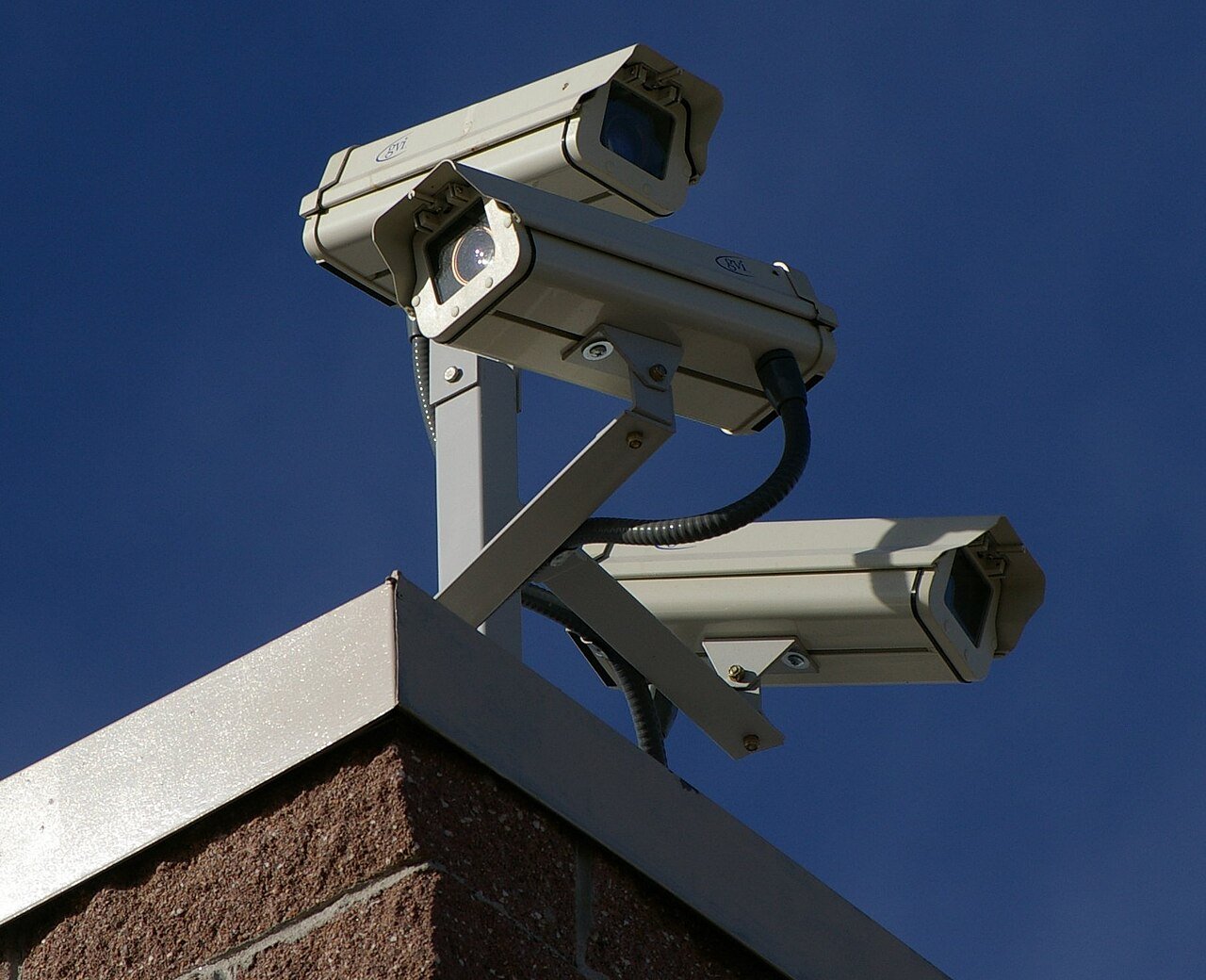
Ayodhya: The investigation into a high-profile theft case registered in Ayodhya is set to move forward with a strong focus on scientific evidence and digital forensics. According to investigators, all physical and electronic evidence collected so far will undergo comprehensive forensic examination to ensure that the prosecution is supported by technically reliable and scientifically validated evidence before the court. Officials said the ongoing investigation could also reveal additional facts and identify other individuals whose alleged involvement has not yet been established. Given the sensitivity of the case and the Supreme Court’s oversight, investigators are proceeding with heightened caution throughout the inquiry.
According to officials associated with the investigation, a second Special Investigation Team (SIT) will be constituted to investigate the FIR registered at the Shri Ram Janmabhoomi Police Station after the existing SIT submits its status report before the Supreme Court. The newly constituted SIT will comprise three Indian Police Service (IPS) officers who will supervise the investigation, examine the available evidence, and complete the inquiry before filing a chargesheet against those found responsible before the competent court.
Police said all available CCTV footage, digital records, documentary evidence, electronic data, and other material collected during the investigation will be subjected to scientific examination. Digital forensic experts will analyse the authenticity of video footage, establish the sequence of events, detect any signs of tampering, and evaluate other technical aspects relevant to the investigation. If required, forensic specialists will also examine seized electronic devices, storage media, and additional digital sources to accurately reconstruct the events related to the alleged offence.
Investigators will also examine the circumstances surrounding the alleged deletion or destruction of CCTV footage. According to officials, if the investigation establishes that any individual deliberately deleted, concealed, or tampered with digital evidence, appropriate legal action will be initiated based on the evidence collected. As part of this process, investigators will analyse digital logs, recording systems, storage devices, and other technical evidence to determine whether electronic records were intentionally altered or erased.
Sources said police have conducted a detailed review of the preliminary report prepared by the earlier SIT, whose recommendations formed the basis for the registration of the FIR. The newly constituted SIT will independently verify each significant finding contained in that report and incorporate those observations into the ongoing investigation. Officials emphasised that every new fact, lead, and piece of evidence emerging during the inquiry will be examined in accordance with established legal and forensic standards.
Investigators said the objective is not merely to identify suspects but to ensure that every allegation is supported by credible, scientifically verifiable, and legally admissible evidence. Accordingly, the chain of custody for all digital and physical evidence is being carefully maintained to preserve its integrity and admissibility during court proceedings. Experts note that digital forensic analysis, video authentication, and scientific examination of electronic records have become critical components of complex criminal investigations and significantly enhance the reliability of investigative findings.
According to experts at the Future Crime Research Foundation, digital and electronic evidence has become increasingly important in modern criminal investigations. They state that timely forensic examination of CCTV footage, digital logs, mobile data, and other electronic records not only helps reconstruct the sequence of events but also strengthens the prosecution’s case before the court. The experts further emphasise that preserving digital evidence, conducting scientific forensic analysis, and maintaining complete procedural documentation throughout the investigative process are essential to ensuring a fair, transparent, and legally robust investigation.
