

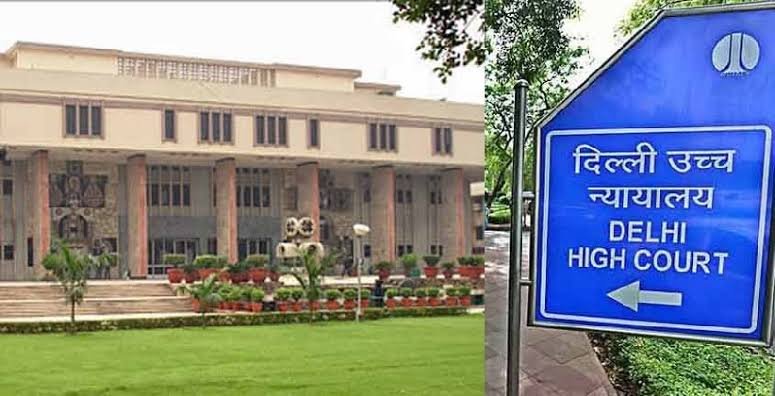
The Delhi High Court has set aside the National Highways Authority of India’s debarment orders, contract terminations and encashment of performance securities against several toll collection contractors in an alleged toll software fraud case, holding that the action was not backed by sufficient, credible and legally sustainable evidence.
NHAI Action Followed STF Probe
Justice Sachin Datta delivered the judgment while hearing a batch of petitions filed by toll contractors. The case arose from action initiated by the NHAI after an investigation by the Uttar Pradesh Special Task Force into alleged manipulation of toll revenue collections.
The NHAI had alleged that certain contractors used parallel software systems to manipulate toll collection data. Based on these allegations, the authority barred the contractors from participating in NHAI tenders for one year, terminated certain toll collection agreements and invoked their performance securities.
Court Finds Evidence Insufficient
The High Court noted that the NHAI’s action was primarily based on an STF press release, an alleged confessional statement of one accused and statistical data showing increased cash collections at some toll plazas after STF raids.
After examining the record, the Court held that the material did not establish the involvement of the petitioning contractors in the alleged fraud. It noted that neither the contractors nor their employees had been named as accused in the FIR, charge sheet or supplementary charge sheet filed in the criminal investigation.
No Parallel Software Recovered
The Court observed that no unauthorised or parallel software, electronic devices or other incriminating material had been recovered from toll plazas operated by the petitioners. It also noted that inspections conducted by the NHAI after the STF raids did not detect unauthorised software or evidence of manipulation of toll collection data.
The High Court held that blacklisting or debarment has serious consequences for contractors and must be based on objective, credible and legally admissible evidence. It clarified that the NHAI may initiate fresh proceedings in accordance with law if credible evidence emerges, but any such action must follow due process and be supported by legally sustainable material.
