

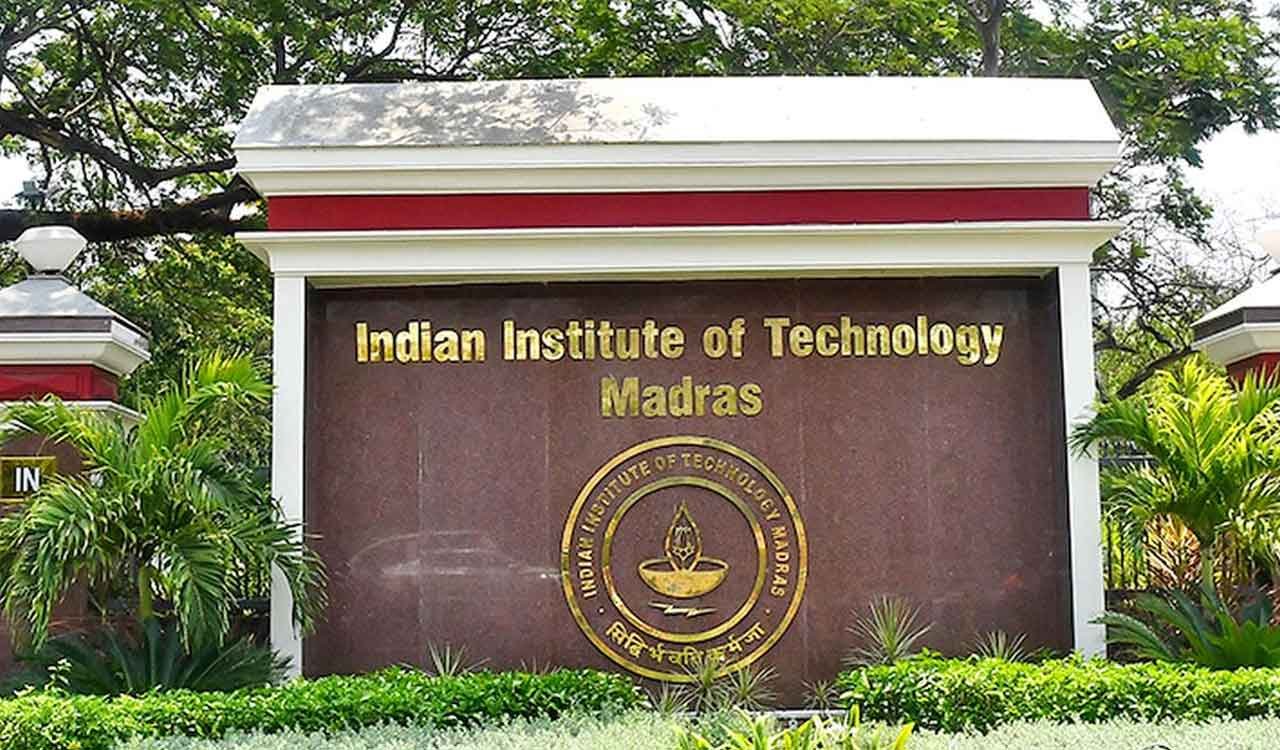
The Indian Institutes of Technology Madras and Kanpur have jointly launched what they describe as India’s first practice-oriented four-year Bachelor of Cybersecurity programme, an undergraduate degree aimed at addressing the country’s growing demand for cybersecurity professionals. Admissions for the inaugural batch will be conducted jointly by the two institutions, with the programme scheduled to begin in the July 2026 academic session.
Programme designed for growing cybersecurity needs
The B. Cyber course has been introduced at a time when digital systems are increasingly underpinning governance, finance, healthcare, telecommunications, transport, manufacturing and defence. Officials said the programme is intended to equip students with both theoretical knowledge and operational skills required to protect critical digital infrastructure and complex information systems.
Graduates are expected to be prepared for careers in cyber defence, security operations centres, penetration testing, vulnerability assessment, digital forensics, malware analysis, cloud security, hardware security and the protection of critical infrastructure. The programme will also provide a foundation for higher studies and research in cybersecurity and computer science.
Industry focused curriculum with field deployment
According to the institutions, the degree has been structured around a competency-based curriculum that progressively builds expertise across multiple cybersecurity domains. Students will study computer systems, programming, Linux system administration, cryptography, operating systems, computer networks, ethical hacking, web security, vulnerability assessment and penetration testing during the initial years before moving into advanced specialisations.
A defining feature of the programme is a two-year Field Deployment Professional Project. Students will spend their final four semesters working on live cybersecurity projects under the mentorship of professionals from strategic and critical organisations. Officials said the objective is to ensure graduates enter the workforce with substantial practical experience alongside formal academic training.
The curriculum also offers advanced electives in areas including digital forensics, embedded systems security, secure processor microarchitecture and applied cryptography.
Collaboration aims to bridge workforce gap
Speaking about the initiative, IIT Madras Director Prof. V. Kamakoti said cybersecurity has become fundamental to India’s technological sovereignty and national security, and that the country requires professionals with strong academic foundations as well as extensive practical experience in defending complex systems.
He said the collaboration with IIT Kanpur represents a new model of undergraduate education that combines academic rigour with real-world practice and is expected to create a pipeline of highly skilled cybersecurity professionals to help secure India’s digital future.
The launch comes as industry estimates indicate a shortage of nearly 1.5 million cybersecurity professionals in the country. Officials said the programme reflects a shift in cybersecurity education from being treated as a late-stage specialisation to becoming a full undergraduate discipline built around laboratories, live systems and field-based practice.
