
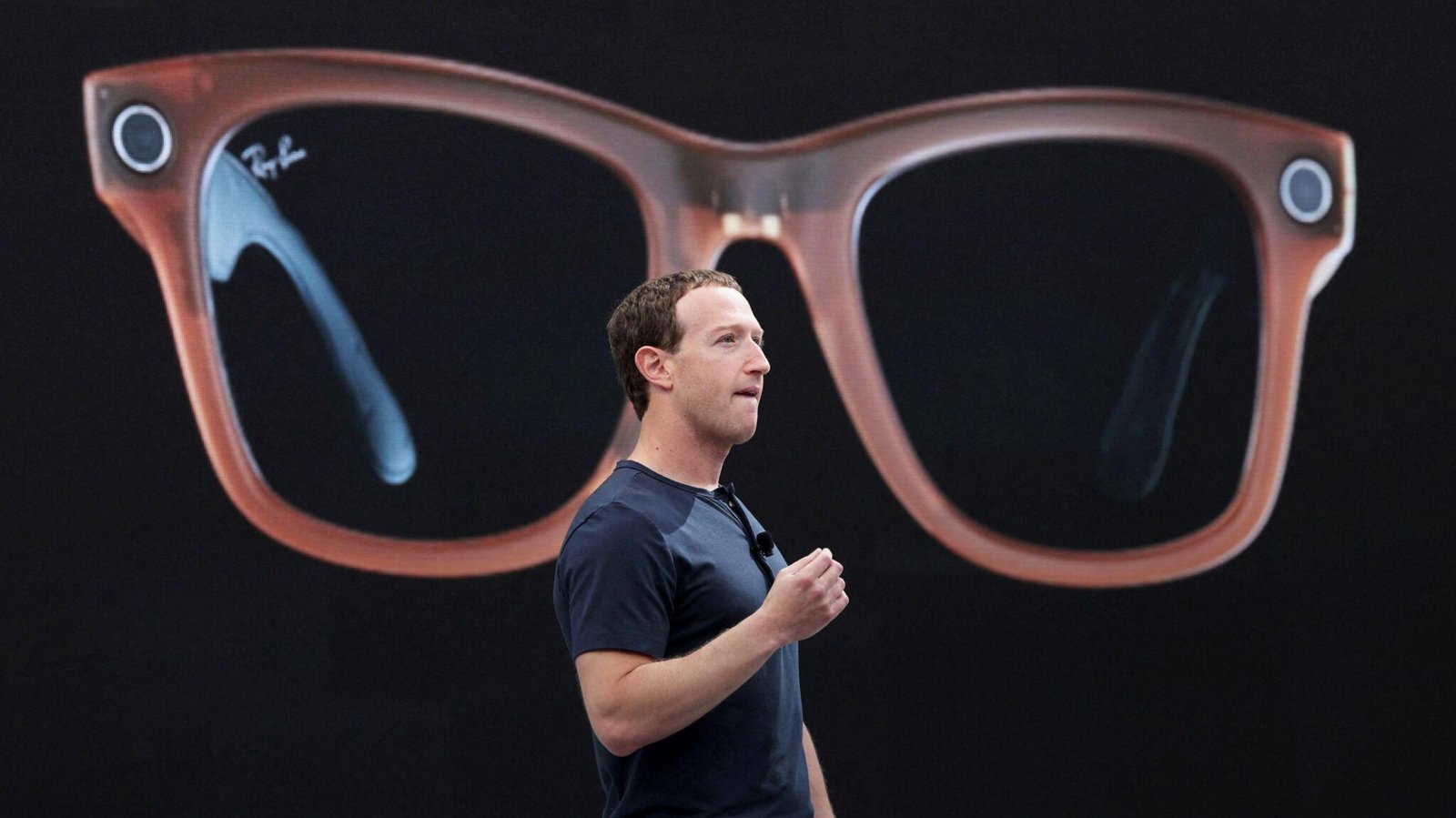

In an era where technology seamlessly blends into everyday apparel, the line between innovation and intrusion has become increasingly blurred. The widespread availability of ordinary-looking spectacles packed with facial recognition, live-streaming, and conversation analysis capabilities has caught the immediate attention of state legislators.
Responding to growing domestic concerns, the Maharashtra government has initiated a proactive stance to regulate these advanced wearable devices. This legislative push aims to establish a robust regulatory framework within the state, acknowledging that the unchecked use of consumer surveillance tools poses clear risks to public privacy and institutional security.
The Legislative Push and Sensitive Infrastructures
The regulatory initiative gained momentum following a Calling Attention Motion in the state legislative assembly on Tuesday, spearheaded by Nationalist Congress Party MLA Sana Malik. Lawmakers raised urgent alerts regarding how these optical devices—which are virtually indistinguishable from standard prescription eyewear—can capture high-definition photographs, audio, and video without explicit consent. The debate highlighted a critical governance challenge: how to protect citizens and state infrastructure from covert data harvesting in highly sensitive environments.
Specific concerns were flagged regarding the potential deployment of these devices in high-security zones such as the Mantralaya, government offices, police stations, and courts. Beyond administrative safety, legislators emphasised the broader societal implications, particularly concerning women’s safety, the protection of minors, and medical confidentiality within healthcare institutions. The primary objective is to draft comprehensive security protocols that prevent state installations and vulnerable citizens from becoming targets of unmonitored digital recording.
Surveillance Risks Within the Legislative Complex
The debate over facial recognition and surveillance extended directly into the chambers of the state legislature itself. Shiv Sena (UBT) MLA Aaditya Thackeray questioned the ongoing deployment of biometric and automated authentication systems used for entry into the Legislature complex. The core of the argument centred on data sovereignty and consent, specifically challenging how legislators’ facial data could be processed for authentication without their explicit, proactive permission.
Further amplifying these administrative apprehensions, Shiv Sena (UBT) MLA Varun Sardesai expressed sharp reservations over the security of the gathered biometric details. The primary concern is the potential sharing of lawmakers’ sensitive personal records with unauthorised third-party organisations. This internal friction underscores a deeper systemic anxiety within governing bodies, where the rush to adopt advanced algorithmic solutions frequently outpaces the deployment of necessary institutional safeguards.
The Overlap with Existing Legal Safeguards
In response to the mounting privacy concerns raised by the opposition benches, the Minister of State for Home Affairs, Yogesh Kadam, pointed to the existing legal remedies available under India’s broader statutory framework. The Minister emphasised that the Digital Personal Data Protection Act already provides citizens with a formal mechanism to lodge grievances with the Data Protection Board. Under this legislation, any collection of sensitive or personal information without explicit, mandated consent invites heavy financial penalties.
However, the state administration acknowledged that generic national legislation might not fully address the specific, localized challenges posed by hyper-portable wearable hardware. To bridge this regulatory gap, the state government has committed to appointing an expert committee within the next month. This specialised panel will be tasked with conducting a granular assessment of the technology’s impact and submitting a detailed set of recommendations within four months, providing a clearer roadmap for regional enforcement.
A Growing Global Shift Toward Wearable Regulation
The legislative moves in Mumbai reflect a much larger, global reckoning with the rapid commercial expansion of augmented reality and AI hardware. Tech conglomerates have recently faced severe legal scrutiny in Western jurisdictions over privacy violations tied directly to their commercial smart glasses. In India, the institutional resistance to these unmonitored recording tools is already manifesting across various public sectors.
For instance, the Indian Premier League’s Anti-Corruption and Security Unit recently issued a strict advisory prohibiting players and support staff from wearing internet-enabled smart glasses within restricted stadium zones. This directive was explicitly aimed at curbing unauthorised communication and illegal match recordings. As the Maharashtra expert panel begins its work, its eventual findings will be forwarded directly to the Union Government, likely influencing how the Centre shapes future national legal provisions for wearable artificial intelligence.
Follow for daily updates on cybercrime, corporate fraud, DFIR, hacking, investigations, and digital forensics
