

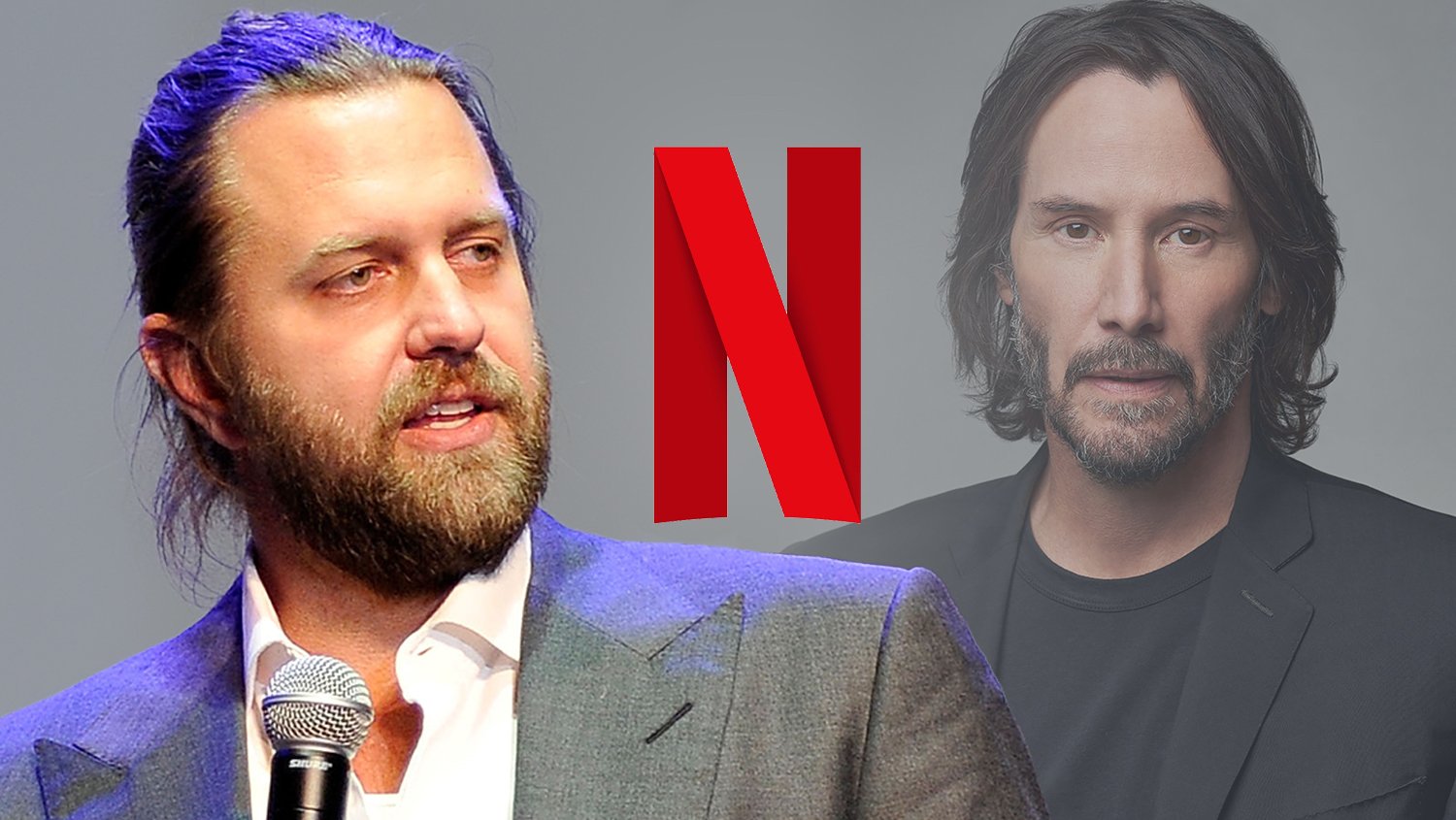
Hollywood writer-director Carl Rinsch has been sentenced to two and a half years in federal prison after being convicted of defrauding Netflix of $11 million (approximately ₹95 crore). Rinsch, best known for directing the 2013 film “47 Ronin,” was convicted last year on federal wire fraud and related charges.
Corporate Budget Subversions and Personal Asset Acquisitions
According to prosecutors, Rinsch requested an additional $11 million from Netflix to complete his science-fiction series “White Horse.” Instead of using the money for production, he allegedly transferred the funds to his personal bank account and spent them on private investments and luxury purchases.
The investigation revealed that Rinsch purchased five Rolls-Royce cars, a Ferrari, expensive watches, designer clothing and luxury household items using the funds. Prosecutors said he spent approximately $638,000 on two mattresses, another $295,000 on luxury bedding and linens, and used nearly $1.8 million to pay off personal credit card debt.
Speculative Market Dispersions and Cryptocurrency Gain Conversions
Court records showed that Netflix had already invested about $44 million in the “White Horse” project during 2018 and 2019. In 2020, Rinsch sought an additional $11 million, claiming the production required more funding. Prosecutors alleged that instead of completing the series, he invested the money in financial markets, losing nearly half of it within a few months. He later invested the remaining funds in cryptocurrency, earned profits and deposited the proceeds into his personal bank account.
During the sentencing hearing, Rinsch told the court that his actions had been influenced by mental health issues and medication-related problems. He apologised for his conduct, acknowledged that his actions had caused real harm and said he had failed to recognise the seriousness of his condition at the time.
Judicial Enforcements and Rejection of Complete Sanity Shields
The court, however, ruled that while his mental health difficulties might explain some aspects of his behaviour, they did not excuse the fraud. The judge observed that Rinsch had deliberately misrepresented facts to obtain additional funding from Netflix and later attempted to conceal his actions.
Prosecutors had sought a five-year prison sentence, arguing that Rinsch had every opportunity for success, including financial resources, an elite education, a successful career and influential connections, but chose to commit fraud out of greed. Along with the prison sentence, the court ordered him to pay approximately $11 million in restitution.
Appellate Notice Filings and Studio Data Confidentiality Blocks
Rinsch is scheduled to surrender to federal authorities in September. His legal team has indicated that it intends to appeal the conviction, while Netflix declined to comment on the sentencing.
