
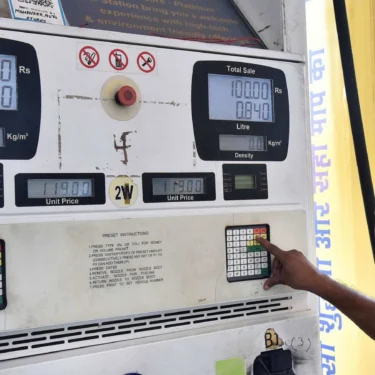
Rising concerns over the widespread rollout of E20 petrol in India have sparked fresh anxiety among vehicle owners, as leading private insurer ICICI Lombard has indicated that damage caused by E20 fuel in older or non-compatible vehicles could be treated as “negligence,” potentially leading to insurance claim rejection.
Improper Vehicle Usage and Pre-2023 Structural Non-Compliance
The insurer clarified that most vehicles manufactured before April 2023 were not designed to run on E20 fuel. As a result, any mechanical failure or damage arising from its use in such vehicles may not qualify for insurance coverage under standard policies. This has created uncertainty among millions of car and two-wheeler owners across the country.
According to the company’s blog, using fuel that is not recommended by the manufacturer can be classified as improper use of the vehicle. Based on this interpretation, insurers may review such claims more strictly and, in several cases, reject them entirely. This has raised concerns about increased financial risk for consumers who may have limited fuel options.
Registration Begins for FutureCrime Summit 2026, India’s Largest Cybercrime Conference
Ethanol Chemical Corrosion and Engine Component Deterioration
E20 petrol contains around 20% ethanol, which experts say can have long-term effects on engine components in older vehicles. Rubber seals, fuel lines, and certain metal parts may gradually degrade due to ethanol’s corrosive properties. While the damage may not be immediately visible, it can accumulate over time and eventually impact engine performance and fuel efficiency.
ICICI Lombard also highlighted that standard motor insurance policies often exclude “consequential damage,” meaning gradual wear and tear or long-term deterioration is not typically covered. This creates a grey area where claims related to fuel-induced damage may be disputed at the time of settlement.
Clean Energy Transitions and Baselines Mandate Grey Areas
While the government continues to promote E20 fuel as part of its clean energy and ethanol-blending initiative, experts point out that compatibility issues remain a major challenge. Many older vehicles on Indian roads were built before ethanol-blended fuel standards became common, leaving owners with limited alternatives.
The insurer has advised vehicle owners to carefully check their owner’s manuals and use only the fuel recommended for their specific engine type. In some cases, premium fuel options may reduce potential risks, though they are not a complete safeguard against long-term damage.
Consumer Guidance Scrutinies and Underwriting Dispute Reductions
The situation has also raised broader questions about transparency and consumer awareness. Industry observers believe that clearer communication from automakers and insurers regarding E20 compatibility could help prevent disputes in the future.
Automobile experts argue that the sudden shift in fuel policy has created practical difficulties for owners of older vehicles. Consumer groups have also pointed out that lack of clear guidance and limited availability of alternative fuels are key concerns that need to be addressed urgently.
As discussions continue, stakeholders in both the automotive and insurance sectors are assessing the long-term impact of E20 adoption. For now, experts are advising vehicle owners to remain cautious and ensure their fuel choices align with manufacturer recommendations to avoid potential claim issues in the future.
