
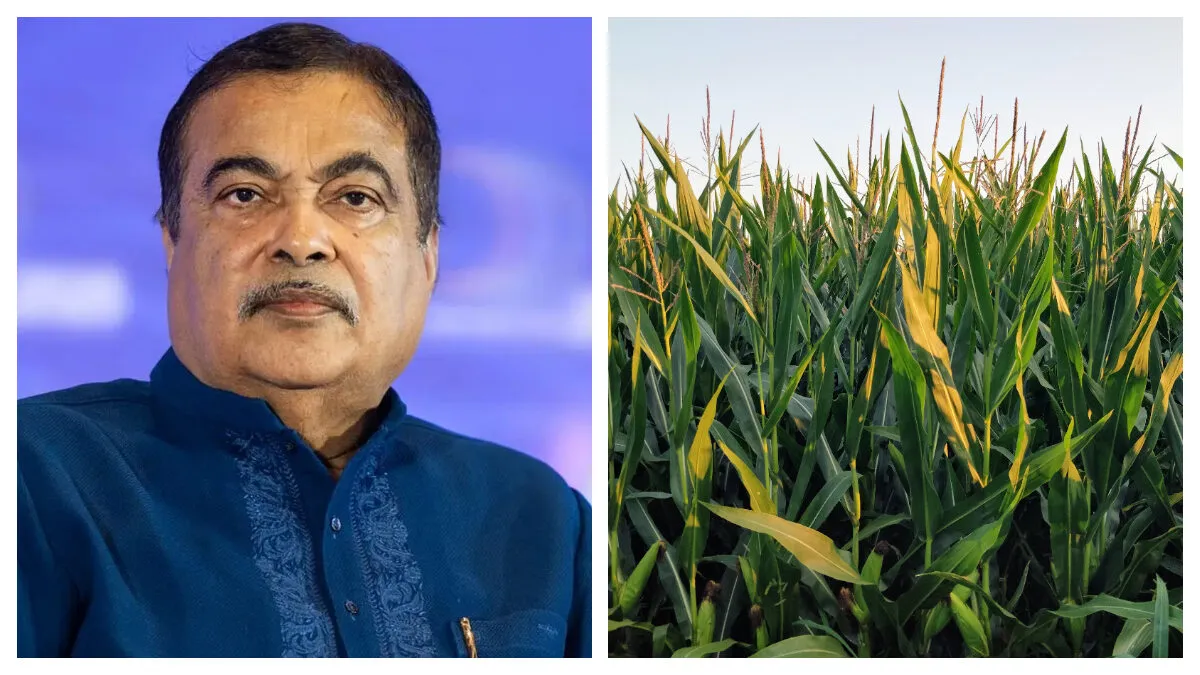
Union Minister for Road Transport and Highways Nitin Gadkari has approved rules granting legal recognition to the use of 100% ethanol fuel in India, marking a major shift in the country’s energy policy. The move is aimed at reducing dependence on imported petroleum and accelerating the adoption of domestically produced alternative fuels.
Registration Begins for FutureCrime Summit 2026, India’s Largest Cybercrime Conference
Strategic Shift to Domestic Biofuels
Speaking at an event in Nagpur, he stated that he signed the relevant file at around 8 PM recently, finalising the regulatory framework for full ethanol usage. He highlighted that India’s fuel import bill of nearly ₹22 lakh crore continues to put significant pressure on the economy, and ethanol could serve as a practical alternative.
The government believes ethanol-based fuel is not only economically viable but also beneficial for farmers, as it can be produced from agricultural residues and crops such as sugarcane. This is expected to create an additional revenue stream for the rural economy.
Petroleum and Natural Gas Minister Hardeep Singh Puri also attended the event and emphasized that flex-fuel technology is being actively promoted to help the automobile sector transition toward cleaner and alternative energy sources.
Automakers Roll Out Flex-Fuel Models
Recently, Maruti Suzuki launched an ethanol-compatible version of the WagonR, capable of running on fuel blends ranging from E20 to E100. Similarly, Hero MotoCorp has introduced flex-fuel versions of the Splendor Plus and HF Deluxe models.
The minister also indicated that global automakers such as Toyota, Suzuki, MG, and Hyundai are expected to roll out vehicles capable of running on 100% ethanol in the near future, signaling a major technological shift in the automobile industry.
In addition, the government has decided to provide tax incentives for ethanol-blended fuels such as E20 and above, making them more affordable and attractive for consumers.
Regulatory Revisions and Incentives
Amendments to the Central Motor Vehicle Rules are also being proposed to formally recognize E85 and 100% ethanol fuels, ensuring their availability across fuel stations nationwide.
Energy experts believe this policy will significantly improve India’s energy security framework by gradually reducing crude oil import dependence while strengthening rural economies.
The government is also promoting green hydrogen initiatives, with a pilot project planned in Nagpur that will include a hydrogen refuelling station and hydrogen-powered buses. This project is being seen as a step toward zero-emission transport systems.
Future of the Energy Landscape
Experts suggest that the long-term impact of this policy could reshape India’s energy market, reduce foreign exchange outflow, and strengthen domestic production ecosystems.
The focus is now shifting toward increasing ethanol production capacity and integrating farmers more effectively into the supply chain. This is expected to benefit the sugarcane industry and boost rural employment opportunities.
In the automotive sector, a hybrid future is expected, combining flex-fuel technology with electrification, which could significantly reduce environmental pollution.
Overall, this policy move is considered a major reform toward long-term energy security and the vision of an “Atmanirbhar Bharat,” potentially reducing India’s dependence on petroleum imports in the coming years while supporting sustainable development goals.
