
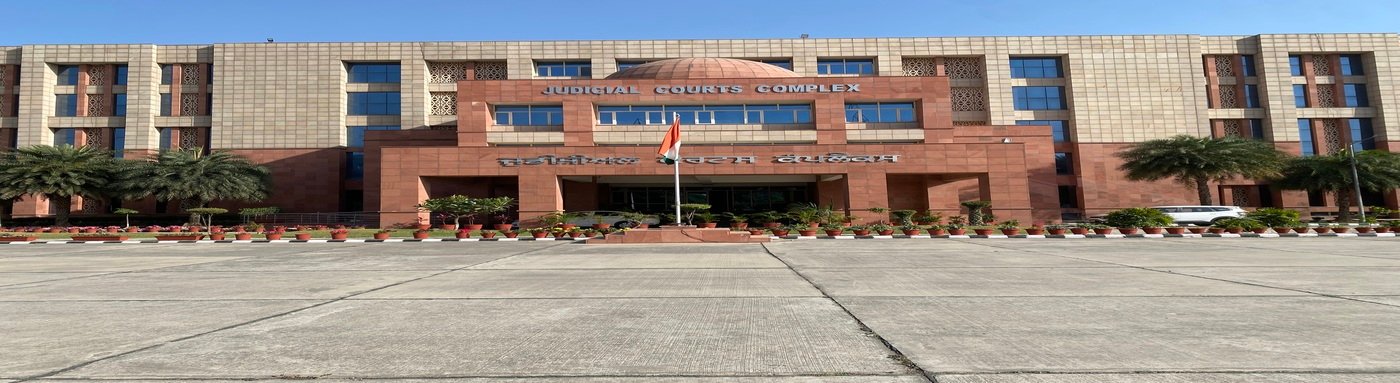
A major immigration fraud case involving an alleged ₹2.10 crore scam linked to promises of securing Canadian Permanent Residency (PR) has taken a significant legal turn, with a Mohali court initiating proceedings to declare a Panchkula-based couple proclaimed offenders after they allegedly failed to cooperate with the ongoing investigation.
The case represents a sharp escalation in the judiciary’s stance against unregulated visa syndicates capitalizing on cross-border migration demands.
Registration Begins for FutureCrime Summit 2026, India’s Largest Cybercrime Conference
The Fake Canadian Embassy Connection
The case revolves around allegations that Suresh Malik and his wife Simran Malik collected more than ₹2 crore from a Punjab resident by assuring him that they could secure Canadian Permanent Residency through influential contacts and a streamlined approval process.
The criminal investigation originated from a detailed complaint filed by Gagandeep Goyal, a resident of Kharar. Goyal asserted that the Malik couple induced him into a high-value advisory contract by claiming they maintained direct, fast-track processing ties with a senior diplomatic officer inside the Canadian Embassy. Relying entirely on these high-level assurances, Goyal structured and transferred multiple capital instalments over a prolonged period, totaling a net extraction threshold of ₹2.10 crore.
Forged Portals and Fabricated Approvals
Investigators claim that despite receiving substantial payments over a prolonged period, the promised immigration benefits never materialised, leading to criminal proceedings against the couple. To stall victim suspicion and prevent early reports to law enforcement, the accused generated completely synthetic digital footprints.
The couple allegedly presented counterfeit permanent residency certificates, fake biometric tracking confirmations, and forged visa allotment sheets to the complainant via WhatsApp. To lock in the deception, they even guided Goyal through a simulated online portal designed to display a false, pre-approved immigration profile status. The elaborate staging unraveled when independent verification checks with official diplomatic channels proved every documentation layer was completely fabricated.
Proclamation Notices Placed in Panchkula
Following the formal registration of the cheating and forgery files by the NRI Police Station, the accused couple immediately went underground to evade physical apprehension. The legal net tightened significantly after the Court of Additional District and Sessions Judge Hardeep Singh officially dismissed the couple’s anticipatory bail petitions, concluding that their custodial interrogation was necessary to isolate alternate shell banking accounts.
As part of the ongoing legal proceedings, a Mohali court has directed Suresh Malik and Simran Malik to appear before it by June 11, 2026. Because the suspects have actively refused to join the investigation despite repeated statutory summonses, police teams executed a formal proclamation procedure, physically pasting legal notices on the main gates of the couple’s residential premises in Panchkula.
Consequences of Proclaimed Offender Status
If Suresh Malik and Simran Malik fail to surrender before the judicial desk by the specified June 11 deadline, the bench will formally declare them Proclaimed Offenders under Section 82 of the Code of Criminal Procedure (CrPC) / Section 84 of the Bharatiya Nagarik Suraksha Sanhita (BNSS). This declaration will grant enforcement wings the absolute statutory power to immediately freeze, attach, and liquidate the couple’s immovable assets and local real estate holdings.
Renowned cyber crime expert and former IPS officer Prof. Triveni Singh has frequently cautioned that fraudsters increasingly combine document forgery, social engineering, and false promises of overseas opportunities to gain the confidence of victims. He has stressed that applicants should independently verify every immigration claim through authorised channels and remain wary of guarantees that bypass established procedures. He reminded applicants that sovereign embassies never issue diplomatic entry codes through private third-party consultants.
