
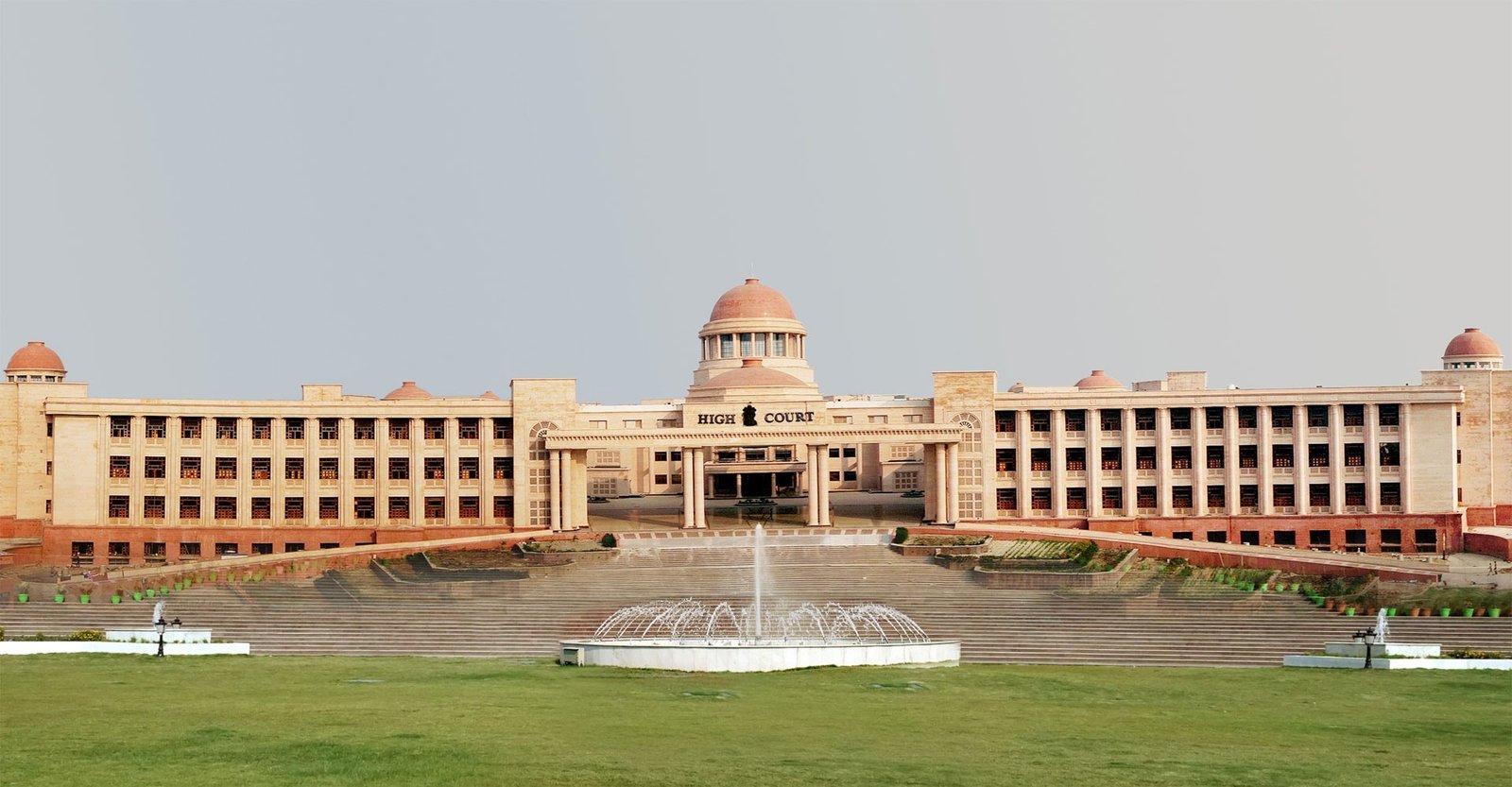
In a strong rebuke to administrative delays and non-compliance with judicial directives, the Lucknow Bench of the Allahabad High Court has imposed a personal penalty of ₹5,000 each on two senior IAS officers for failing to implement court orders within the stipulated time. The court observed that the officers’ inaction and delay compelled the petitioners to initiate contempt proceedings, and therefore the compensation must be paid from the officers’ personal funds rather than the government treasury.
The order was passed by a single-judge bench of Justice Saurabh Lavania while hearing two separate contempt petitions. The court emphasized that timely compliance with judicial directions is a fundamental responsibility of government officials and that unnecessary delays undermine the authority of the judiciary. The bench noted that citizens should not be forced into additional legal battles simply to secure the implementation of orders already passed in their favor.
The First Case: Rural Development Department
In the first matter, the court directed the Principal Secretary of the Rural Development Department, Saurabh Babu, to comply with an earlier judicial order within two weeks and pay ₹5,000 as compensation to petitioner Ashish Kumar Dubey. The court further stated that if the directions are implemented within the prescribed period, the officer would not be required to appear personally before the court.
The matter arose from allegations that the department had failed to act despite clear directions issued earlier by the court. According to the petitioner, repeated representations and reminders failed to produce any result, leaving him with no option but to file a contempt petition seeking enforcement of the judicial order.
Registration Begins for FutureCrime Summit 2026, India’s Largest Cybercrime Conference
The Second Case: District Rural Development Agency
In a similar matter, the court also imposed a personal fine of ₹5,000 on Rural Development Commissioner Gaurishankar Priyadarshi. The officer was directed to ensure compliance with a previous court order within two weeks and compensate petitioners Brijendra Kumar Srivastava and two others.
This case relates to an order dated March 11, 2026, concerning the payment of full cash benefits to employees associated with the District Rural Development Agency in Lucknow. The petitioners alleged that despite explicit judicial directions, the payments were not released within the required timeframe. As a result, they were compelled to approach the court again through contempt proceedings.
Focus on Administrative Accountability
During the hearing, the court observed that the penalties were being imposed because both officers had failed to ensure compliance with the writ court’s orders within the prescribed period. The bench reiterated that once a judicial order attains finality, public officials are expected to take prompt steps toward its implementation without unnecessary delay.
Legal observers believe the ruling marks another significant step toward strengthening administrative accountability. In recent weeks, the High Court has repeatedly expressed concern over delays by government departments in implementing judicial directions. The judiciary has increasingly signaled that disregard for court orders cannot be treated as a routine administrative lapse.
Taxpayers Shielded from Bureaucratic Indifference
A notable aspect of the ruling is the court’s insistence that the compensation be paid from the officers’ personal funds rather than public money. The decision reinforces the principle that taxpayers should not bear the burden of penalties arising from an individual officer’s negligence or failure to perform official duties.
Legal experts say such orders serve not only as punishment but also as a deterrent against bureaucratic indifference. Timely compliance with court directives is essential for preserving the rule of law and maintaining public confidence in the justice delivery system. The High Court’s latest order is expected to send a clear message across government departments in Uttar Pradesh that administrative delays, procedural excuses, and indifference toward judicial directions will attract strict scrutiny.
